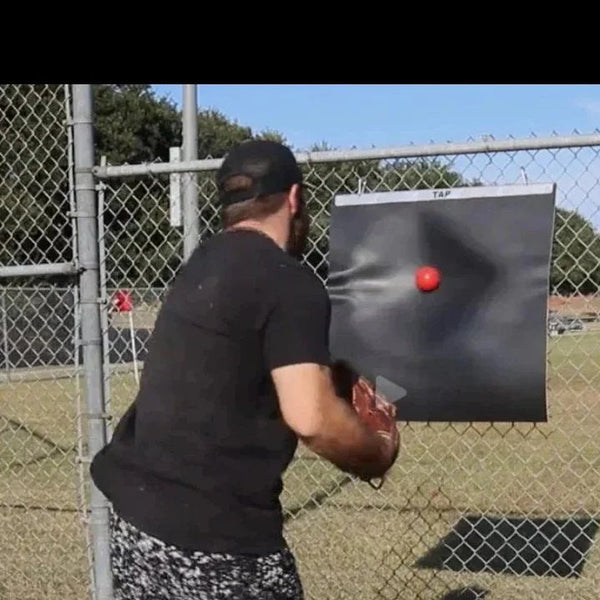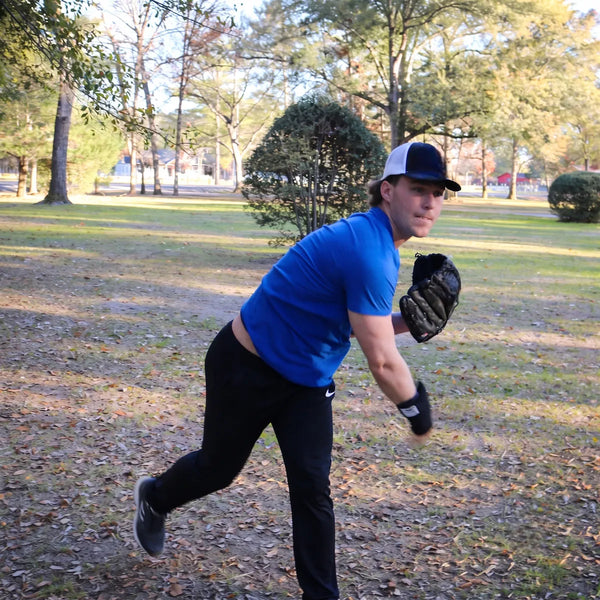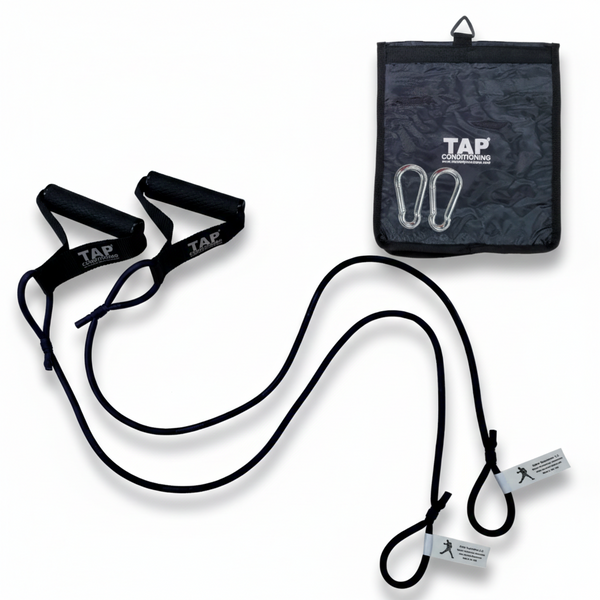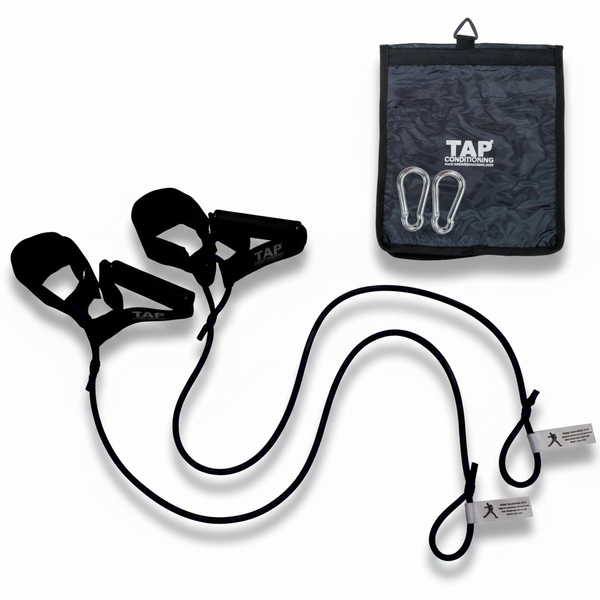

TAP® Schulterrohr®
$129.95
In Stock
Hast du ein Konto?
Logge dich ein, damit es beim Checkout schneller geht.

Arm care is capacity work. These tools load the shoulder and elbow in controlled patterns. The goal is tissue that tolerates throwing workloads. Start with warm-up and activation. Add oscillation work for dynamic stability. Finish with deceleration and post-throw recovery. Most work is supervised, low-intent, and progressive. Coaches outfit full rosters from this collection. Parents build simple home routines. When pain is present, work with a qualified medical professional first.
32 products
Hey Oates — AI Training Assistant
Ask Hey Oates — trained on our catalog and training library.
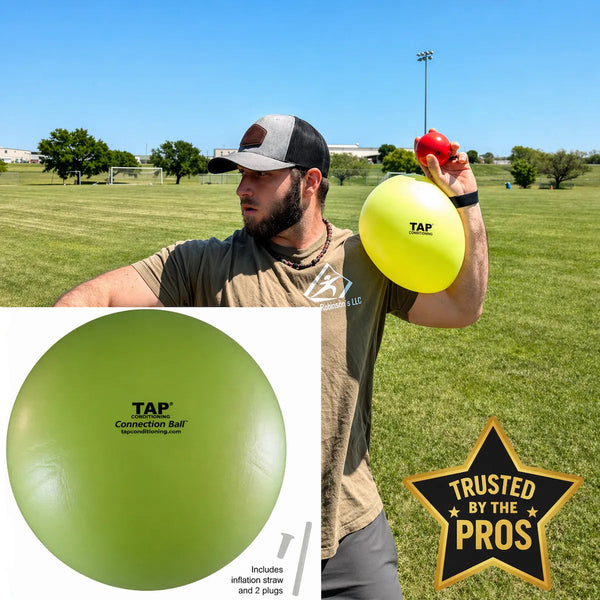
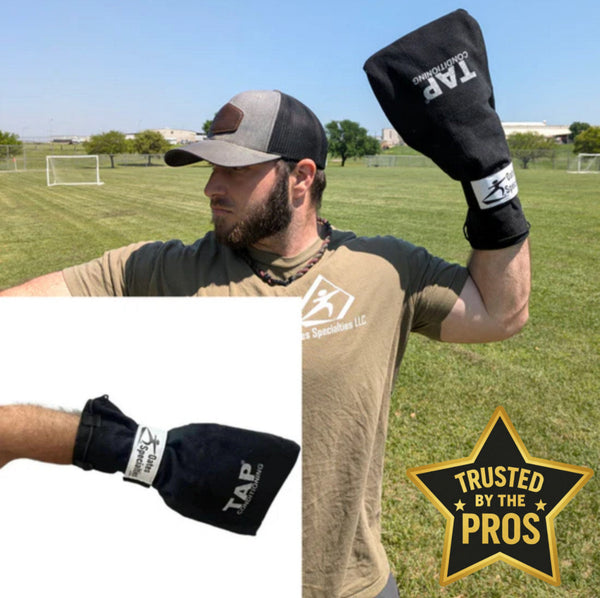
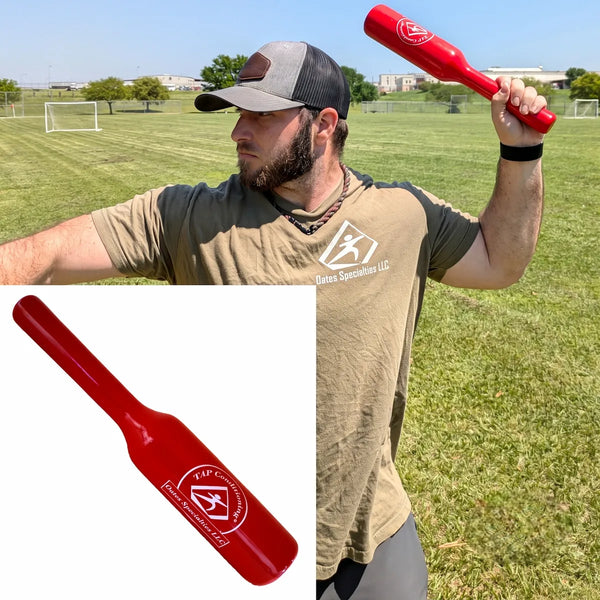
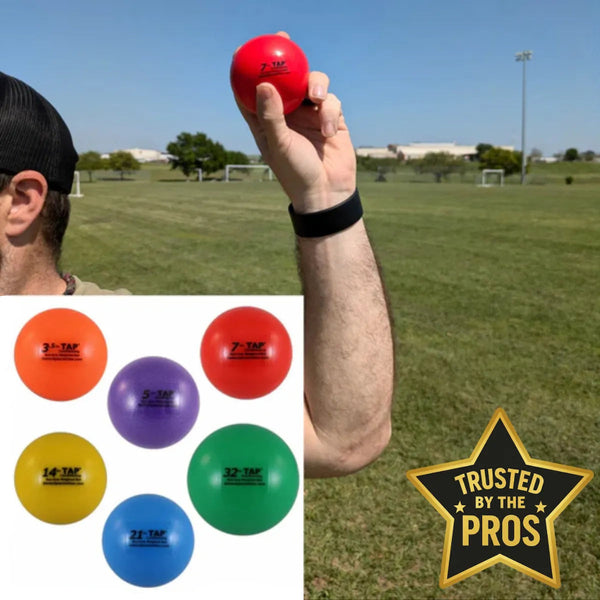
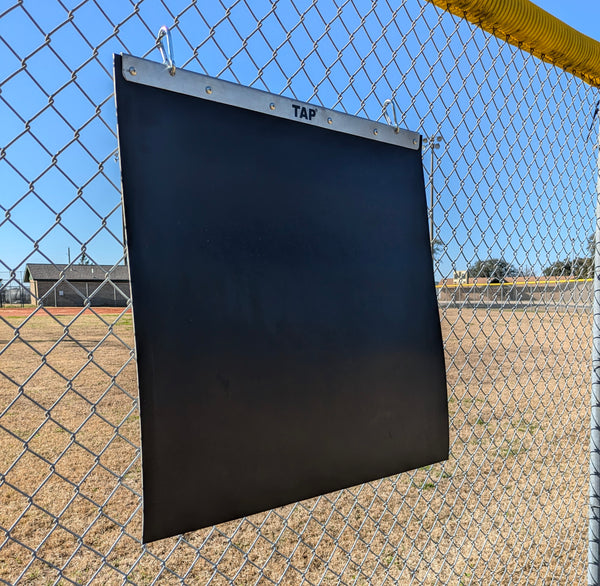
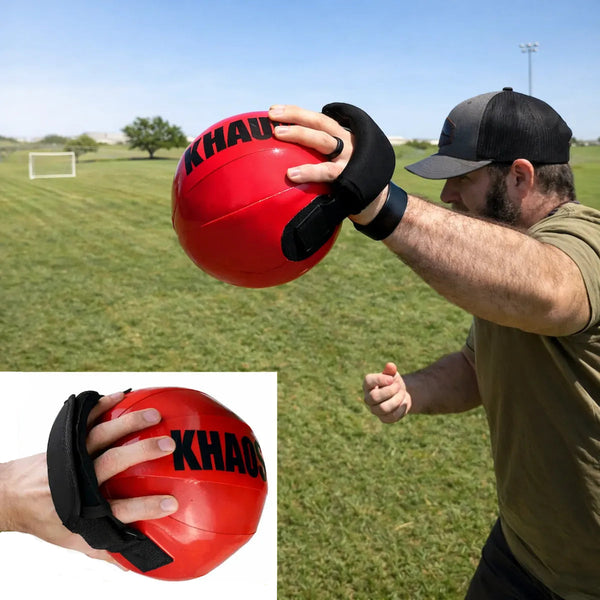
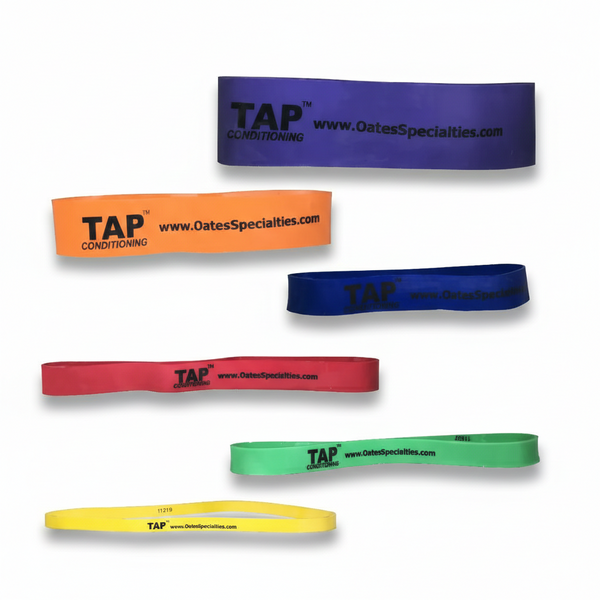
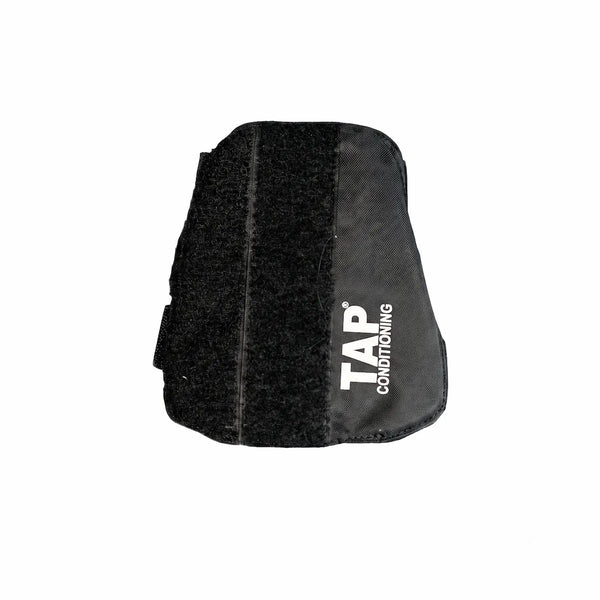
Arm care is the deliberate work an overhead athlete does to prepare, protect, and recover the throwing arm across a season. It is not one drill or one piece of equipment — it is the combination of warm‑up, cuff activation, scapular control, deceleration work, and post‑throw recovery that lets a pitcher, position player, quarterback, or other thrower handle repetitive high‑effort output without breaking down.
The five things a good arm‑care routine has to do:
How this collection is built
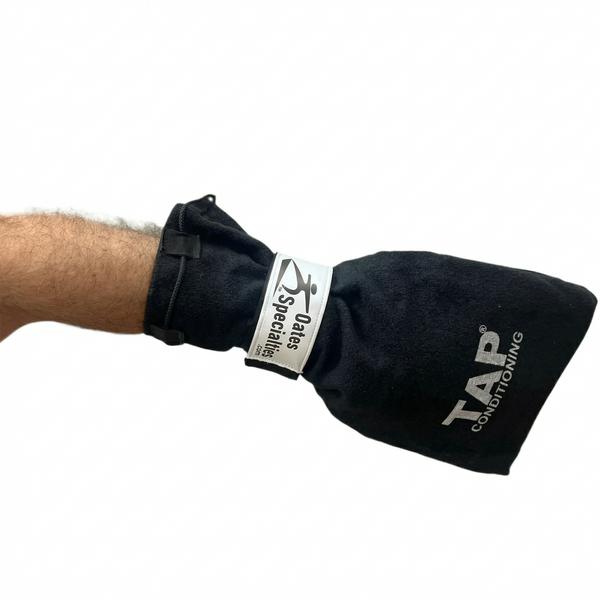
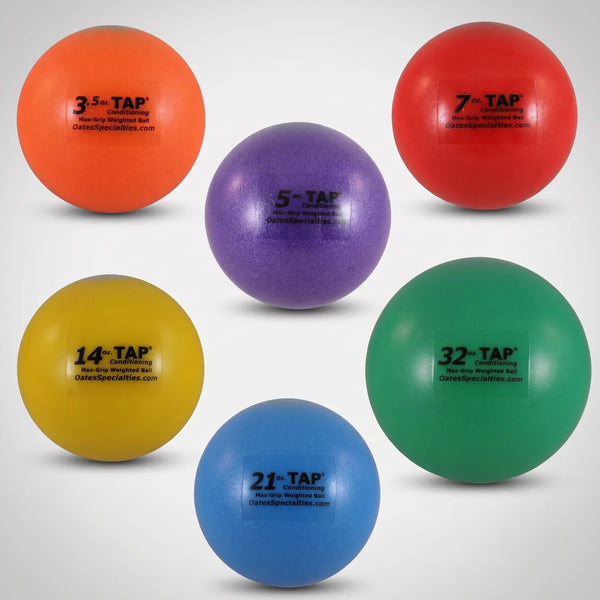
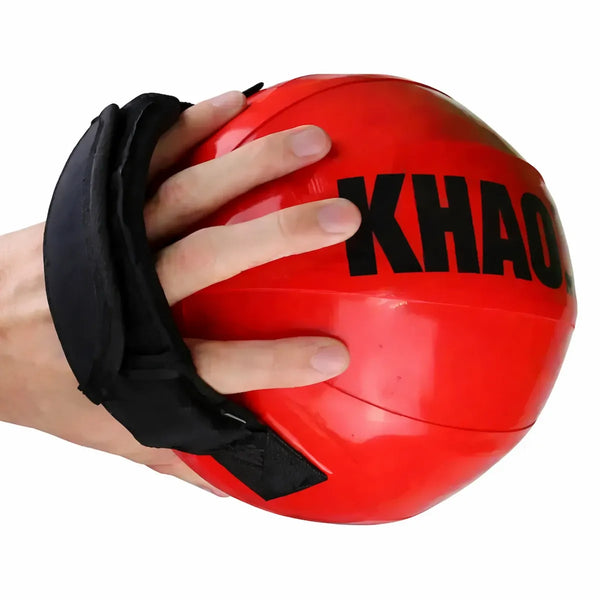
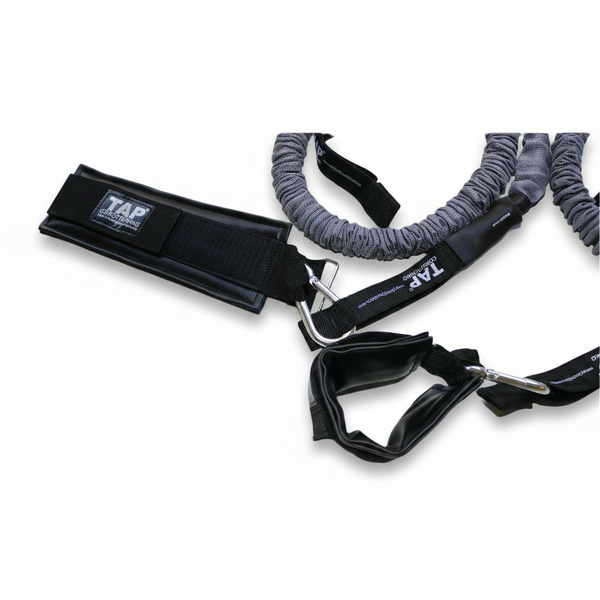
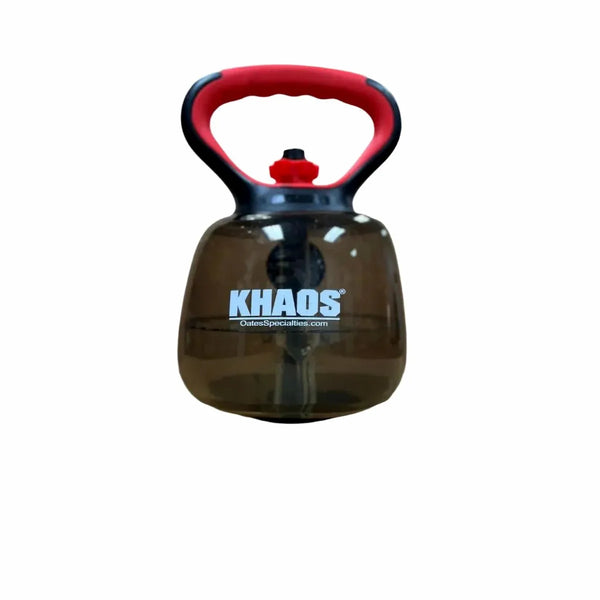
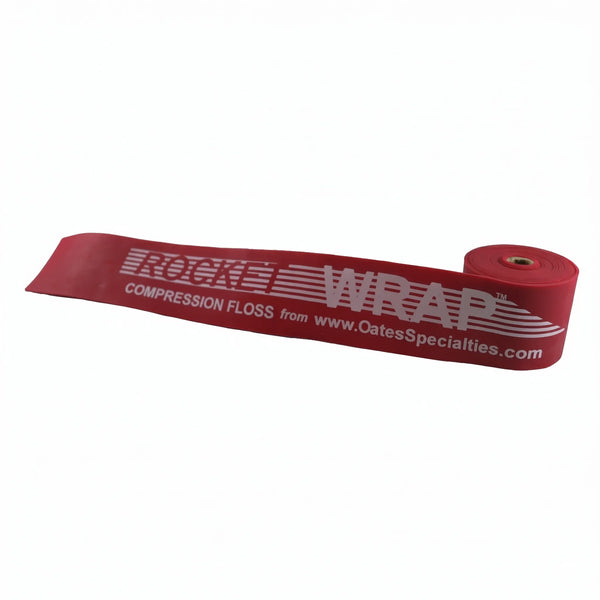
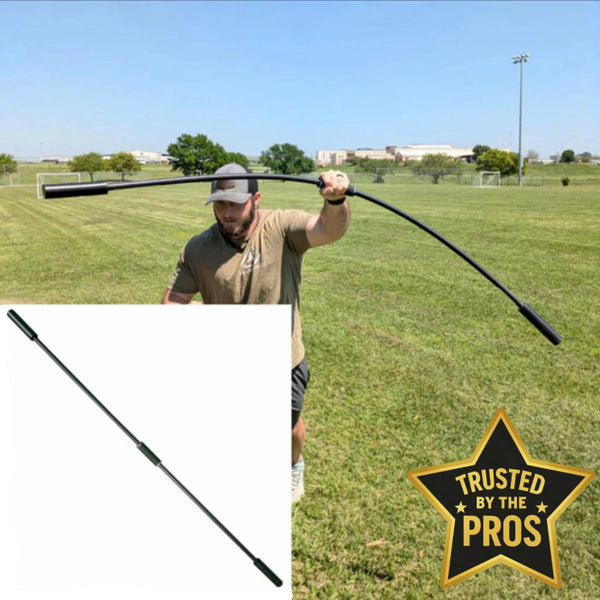
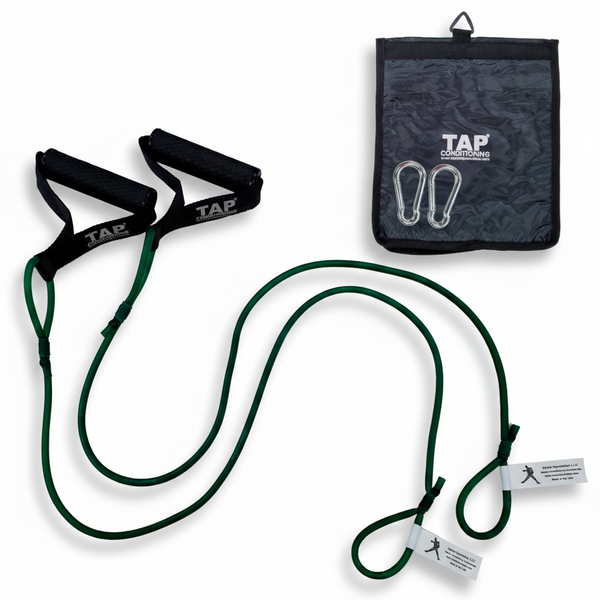
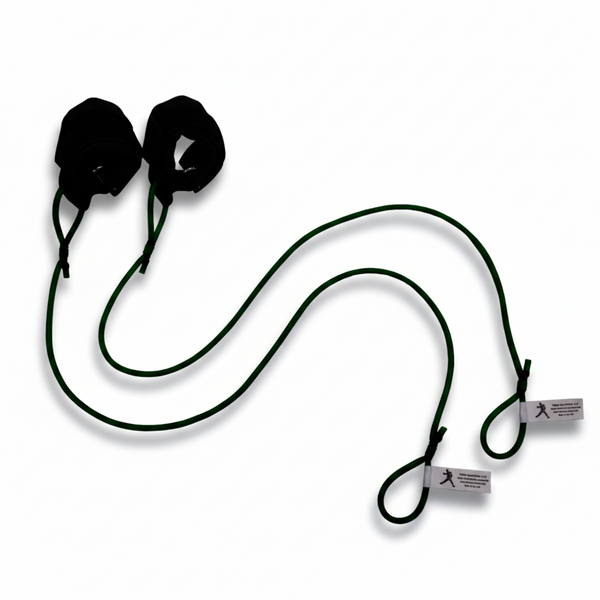
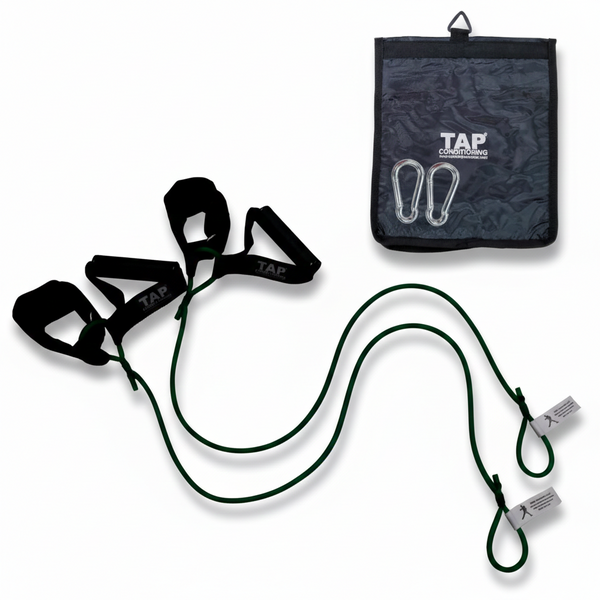
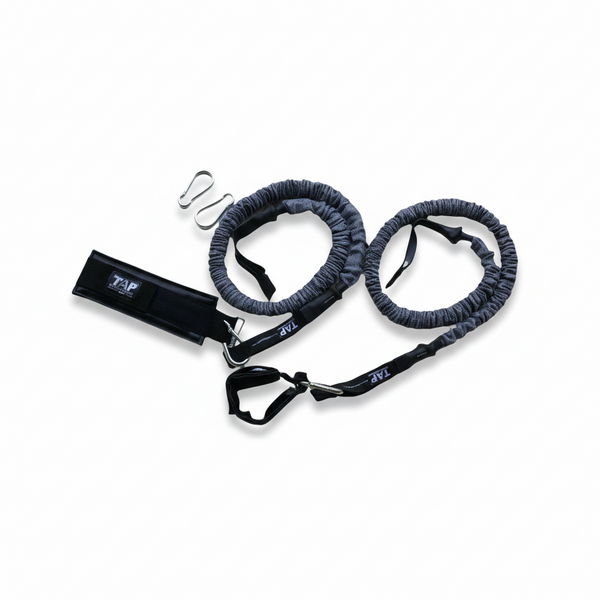
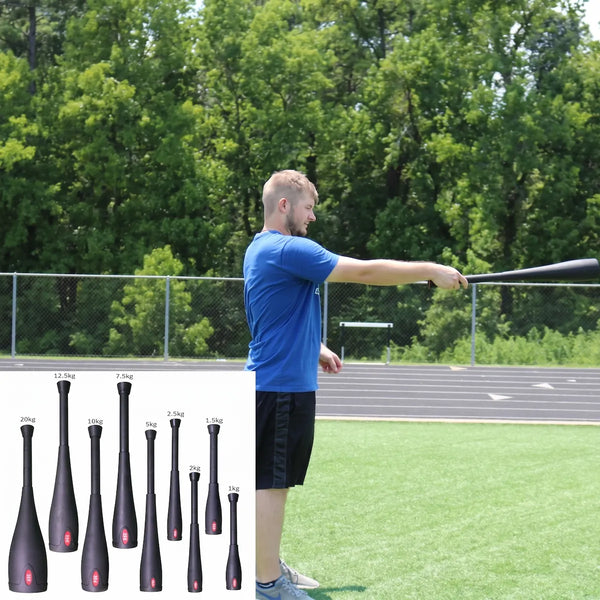
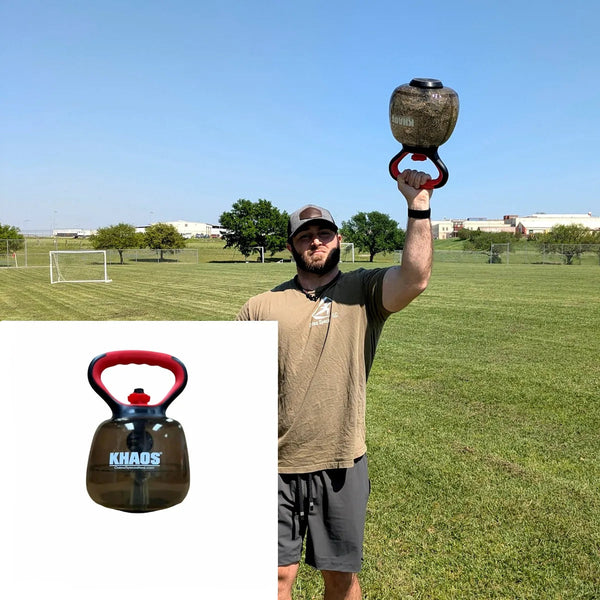
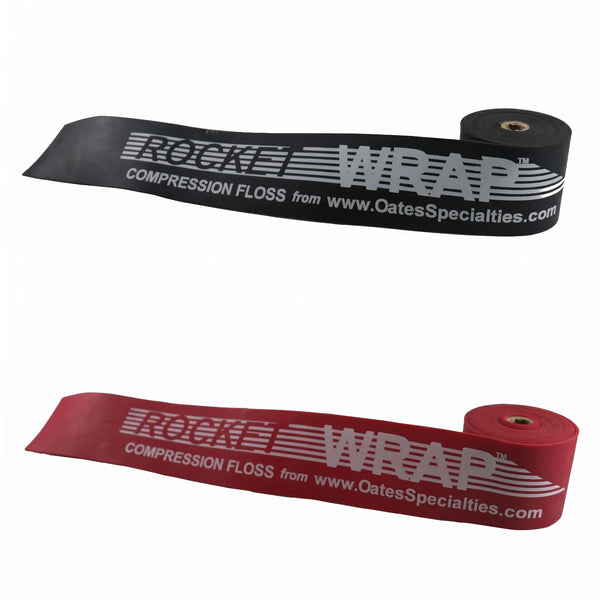
Every product in this collection maps to one of those five jobs. Wearables like the TAP® Baseball Training Sock load the arm as the athlete moves through throwing patterns. Cuffed and sheathed tubing — including the TAP® Pitcher’s Friend, TAP® Sheathed Safety Tubing, and TAP® Ultimate Pitcher — drives distal loading and builds cuff strength in controlled positions. The Shoulder Tube® uses long‑lever oscillation to build dynamic stability in a way that straight‑line resistance bands cannot reproduce. Plyo balls, the TAP® Weighted Forearm Sleeve, and the KHAOS® Shoulder Shaker give the cuff progressively harder work, and recovery pieces like the TAP® Rocket Wrap help close the loop after a hard bullpen or long‑toss day.
Who this is for
High‑school and college pitchers on a year‑round throwing plan. Position players managing throwing volume through a long season. Adult recreational players who do not want to lose the ability to throw or bounce back for the next game. Coaches building a repeatable daily arm‑care circuit for a full roster. Every product ships fast, is used at pro and NCAA baseball programs, and is backed by our team — call or text (936) 295‑4459 to get help picking the right piece for your athlete’s stage.
The arm doesn't throw in isolation. The legs, hips, and core produce and absorb most of the force in a throw. When those areas aren't doing their share, the arm makes up the difference — and that extra work is what shows up as soft-tissue stress. A full-body warm-up gets the kinetic chain firing so the arm carries the load it was built for, not the load the rest of the body left behind.
Resistance tubing is linear — the cuff works against a constant pull in one direction. The Shoulder Tube® uses oscillation, so the cuff and scapular stabilizers have to react to a changing wave pattern that mimics the reactive stability throwing actually asks for. Both belong in an arm-care program. Most of our customers use them together.
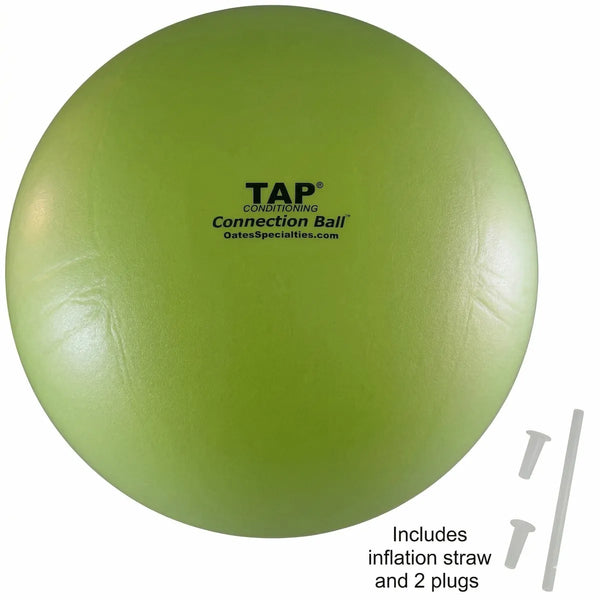
A example daily routine: 3–5 minutes of general movement, 2–3 minutes of scapular activation with the TAP® Exercise Bands or Pitcher's Friend, 60–90 seconds of Shoulder Tube® oscillation, a plyo-ball or Connection Ball® series to reinforce arm path, then throwing. Post-throw: light tubing, the TAP® Weighted Forearm Sleeve for the posterior cuff, and recovery with the Rocket Wrap as needed. Total time under 15 minutes.
Yes. Team-sized arm-care setups qualify for our volume discounts — $500+ saves 10%, $1,000+ saves 12%, and $5,000+ saves 15%. Call or text our team at (936) 295-4459 and we'll put together an arm-care kit sized to your roster.