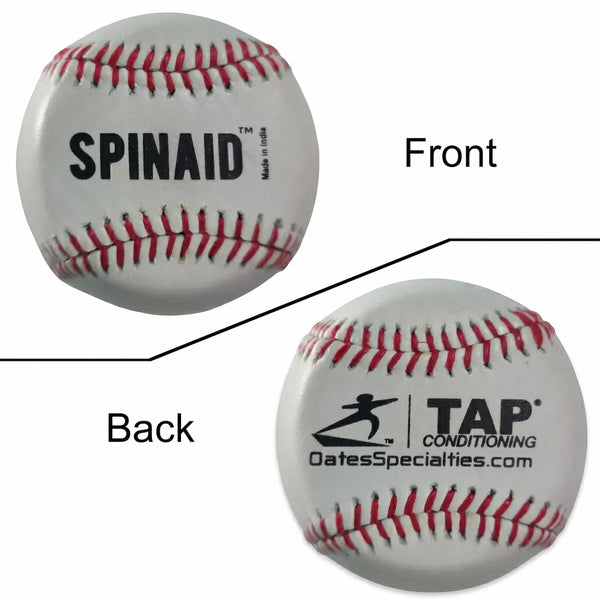
TAP® SPINAID™
From $19.95
In Stock
Hast du ein Konto?
Logge dich ein, damit es beim Checkout schneller geht.

See the spin, feel the pitch — trainers for curveball, slider, changeup, and cutter.
14 products
Hey Oates — AI Training Assistant
Ask Hey Oates — trained on our catalog and training library.

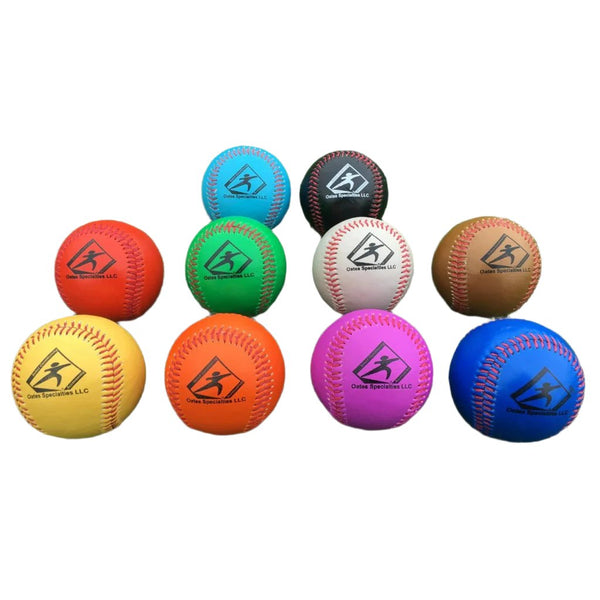
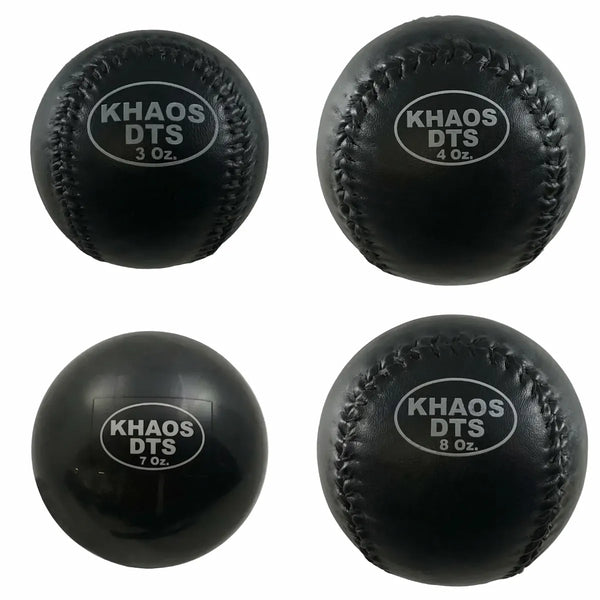
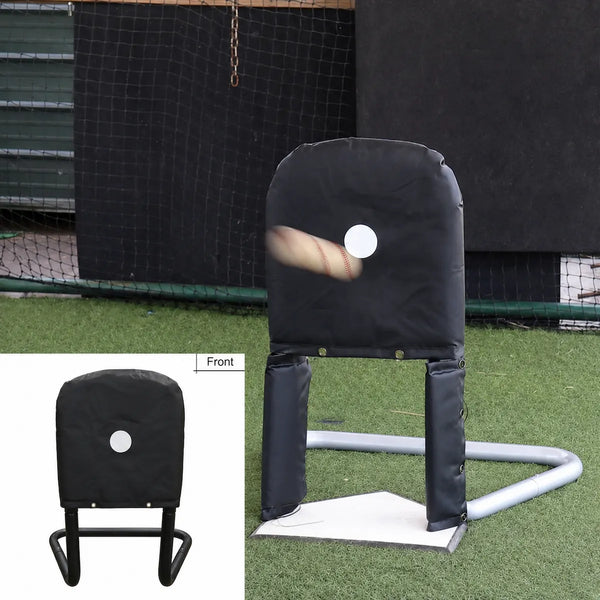
A pitcher’s second and third pitches — the curveball, slider, changeup, cutter — get hitters out because they look like the fastball for most of the flight and then don’t for the last part. That deception is a function of spin: how much, on what axis, and how consistently.
The three levers of a great secondary pitch:
What the tools do
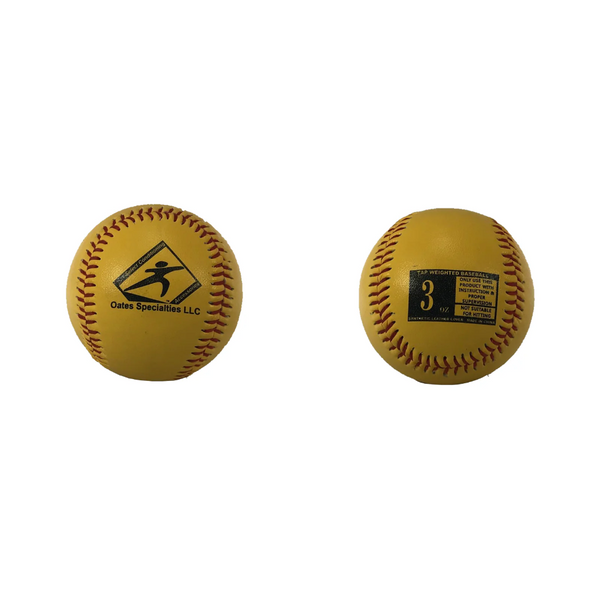
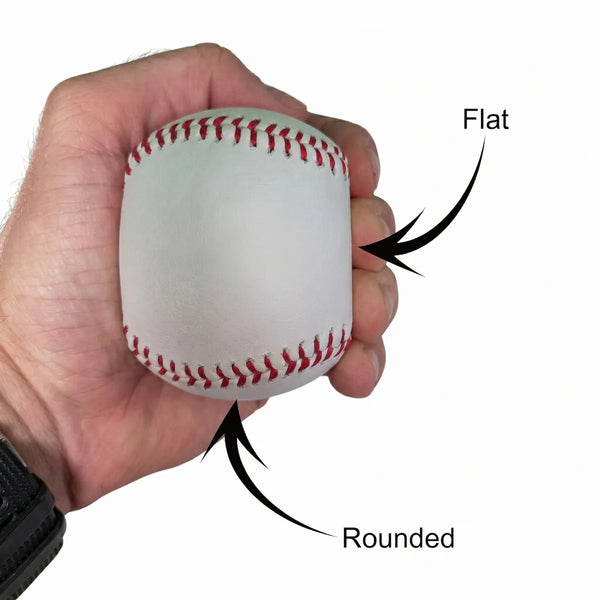
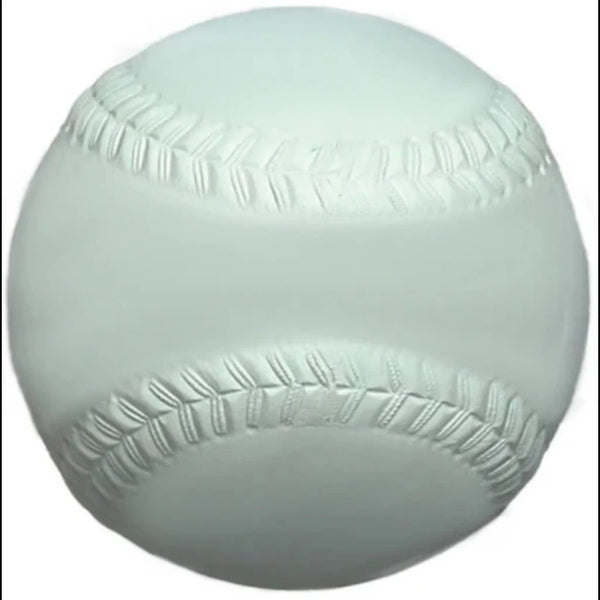
The TAP® SPINAID™ 4‑Seam & 2‑Seam is a visual release‑feedback trainer — the ball’s flight pattern shows the athlete exactly what spin their release produced. See a clean line and you know you spun it on the intended axis; see a wobble and you know why the pitch didn’t move the way you wanted.
The TAP® YAKKERAID is the visual spin‑axis trainer for off‑speed pitches — the same idea applied to curveball, slider, and pronated change‑up work so the pitcher can see whether the spin axis matches the pitch they were trying to throw.
Both tools are built for sub‑maximal, feedback‑driven work and give immediate, unambiguous visual information that verbal coaching alone can’t match.
How to use them
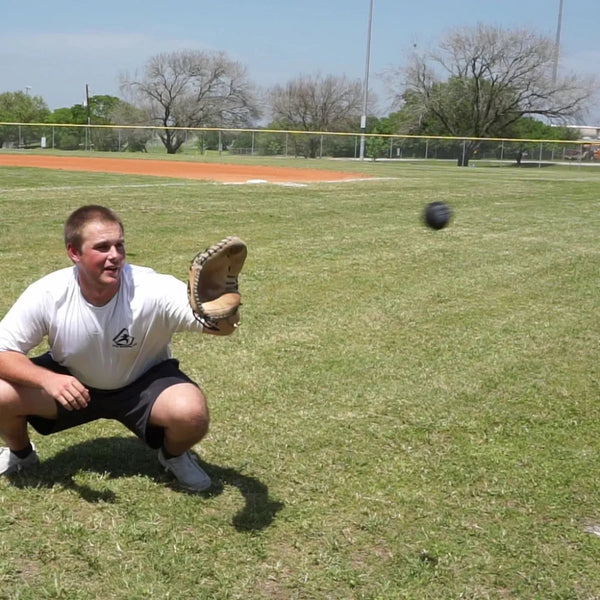
Spin‑training work with SPINAID™ and YAKKERAID typically goes into the middle of a bullpen or flat‑ground session — after the arm is warm and before the athlete is tired. Effort stays below full game speed and reps stay low, with the goal of matching feel and release cues to what the ball is actually doing, not chasing radar readings. Filming the release from behind and pairing that slow‑motion video with SPINAID™ or YAKKERAID visual feedback is a fast way to clean up spin axis and consistency at training intensities that protect the arm.
Coaches or parents who want help fitting SPINAID™ and YAKKERAID into their current bullpen flow can call or text our team at (936) 295‑4459 to talk through common usage patterns at different ages and levels
The ball is patterned so that when it spins cleanly on the intended axis, the eye sees a smooth, consistent line or shape. When the axis is off — wobbling, tilted wrong — the pattern looks messy. The feedback is immediate: the athlete can adjust grip pressure and release before the next pitch instead of waiting for a coach to explain what happened.
SPINAID™ is designed around 4-seam and 2-seam patterns — fastball spin feedback. YAKKERAID is designed around off-speed spin axes — curveball, slider, and changeup feedback. A pitcher developing both fastball command and secondary pitch feel can use both.
Yes, with a couple of guardrails. Spin work should come after a young pitcher has established a repeatable fastball delivery and basic arm care. Very young athletes shouldn't be forcing curveball spin, but seeing what their natural release produces — through the visual feedback of SPINAID™ or YAKKERAID — is a safe way to learn about their own arm.
Yes. Spin-training work is often done at short distances — flat ground, field screens, cage — so the visual read is easy to catch. That makes indoor use ideal, especially in colder months when full outdoor bullpens aren't practical.