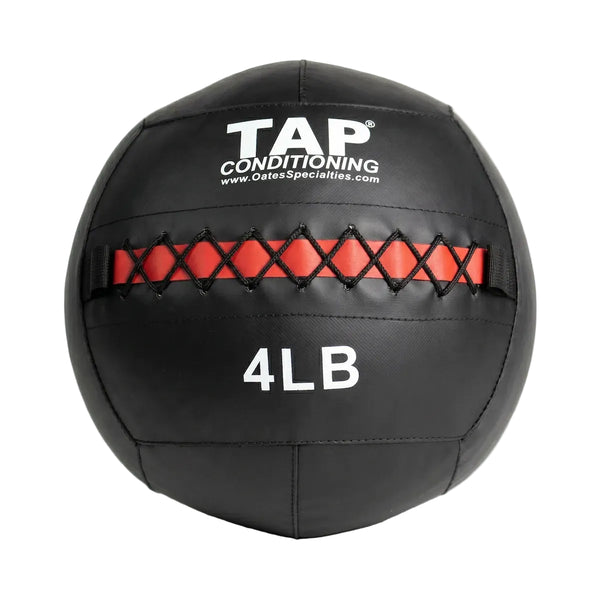
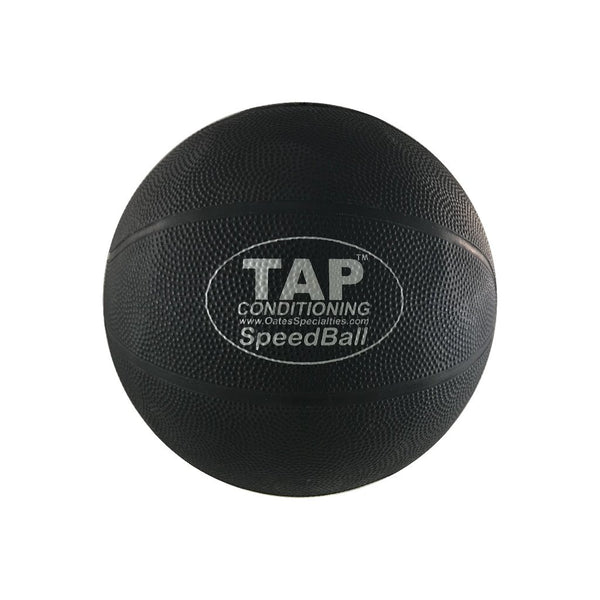
TAP® Max-Grip Gewichteter Ball
From $8.95
In Stock
Hast du ein Konto?
Logge dich ein, damit es beim Checkout schneller geht.

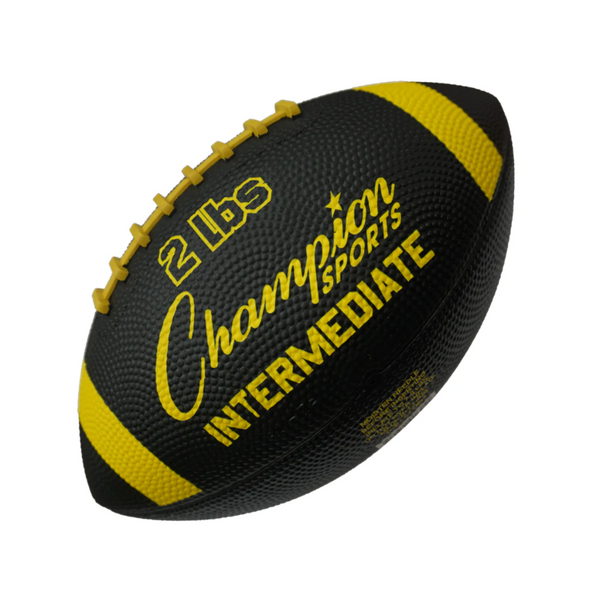
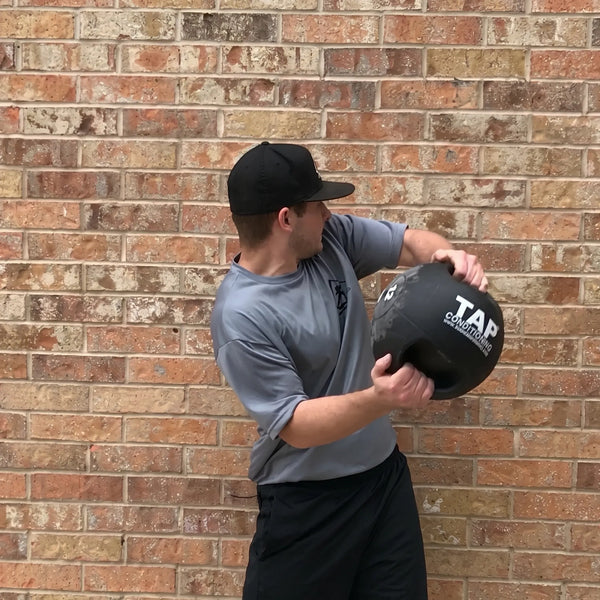
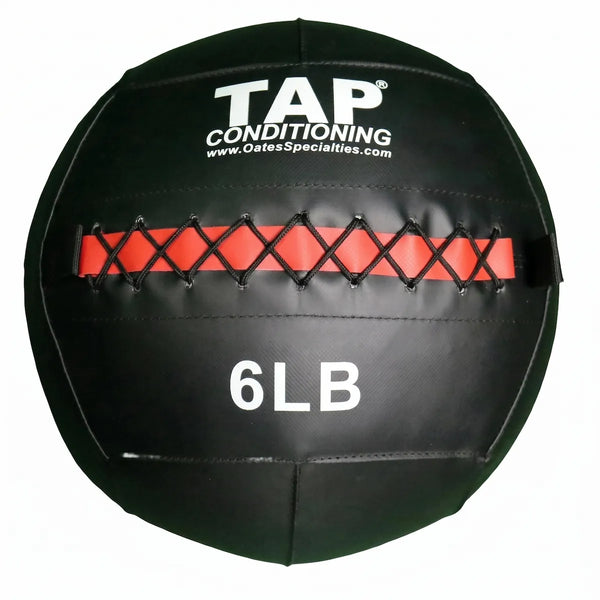
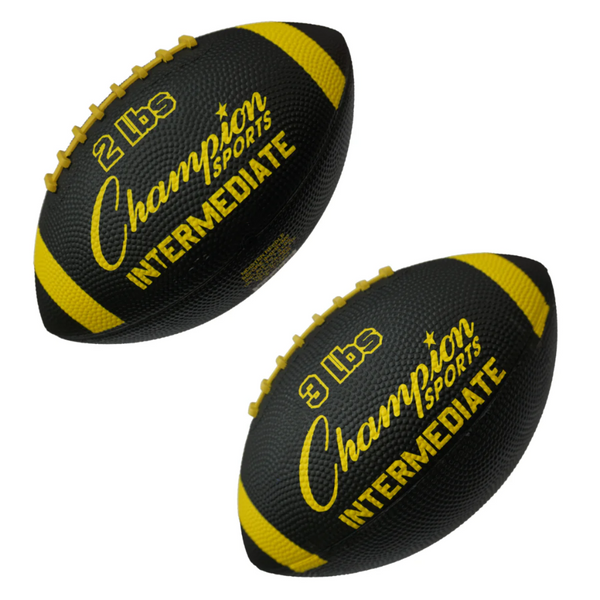
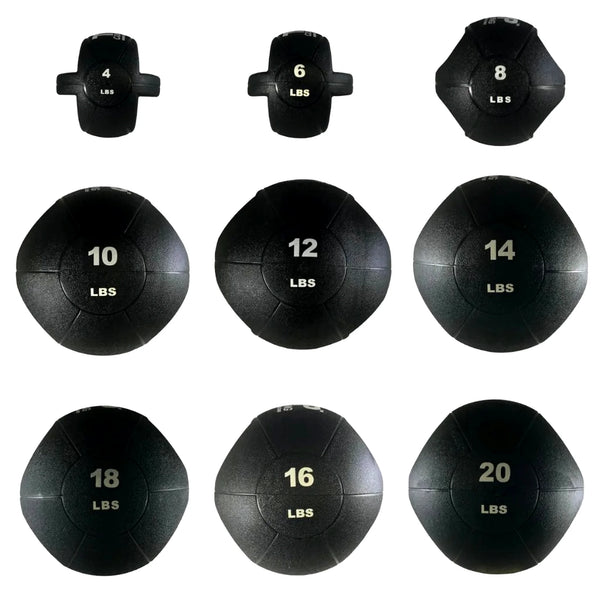
Weight changes the training problem. This collection covers two families. Throwing balls overload or underload the throwing motion. Medicine balls train rotational power, slams, and wall work. Heavier implements demand more force organization. Lighter implements allow faster action. Soft shells suit plyometric and contact-style drills. Regulation-feel balls suit throwing programs. Confirm the exact weight and format before ordering. Supervised use is the standard. Count weighted throws inside total throwing volume.
16 products
Hey Oates — AI Training Assistant
Ask Hey Oates — trained on our catalog and training library.
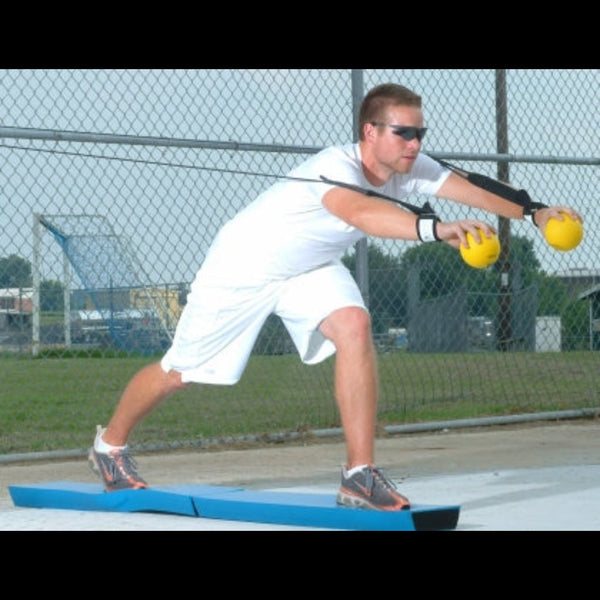
Weighted‑ball training is one of the most‑researched, most‑used, and most‑misunderstood pieces of modern throwing development. When it sits inside a structured plan, it can help develop arm speed, arm strength, and pattern efficiency. When it is dropped in without a plan, it can add risk. The difference lives in how the work is programmed, not in the ball itself.
The three weighted‑ball categories:
What’s in this collection
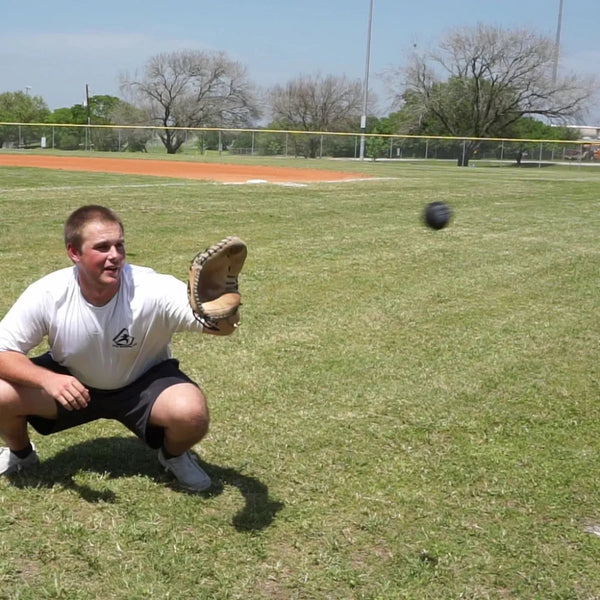
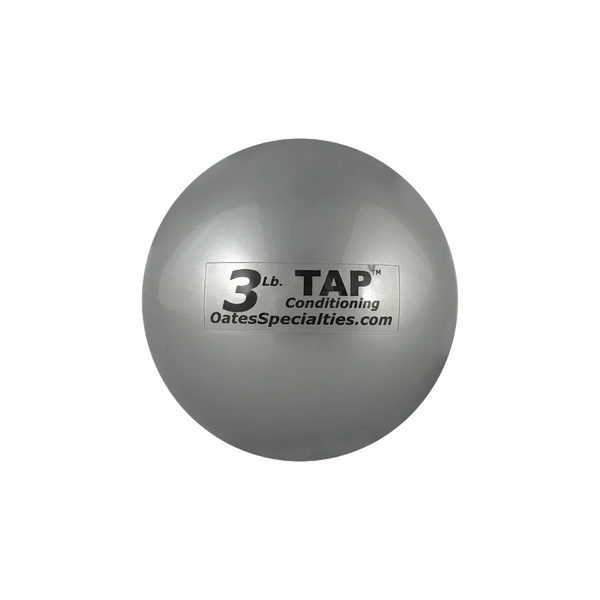
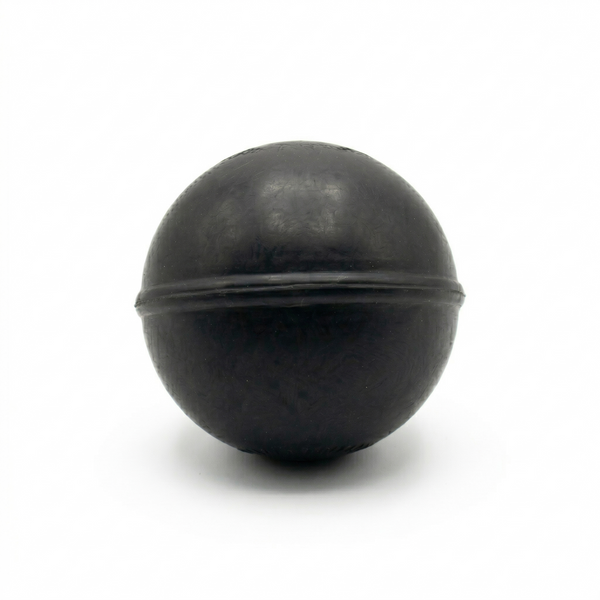
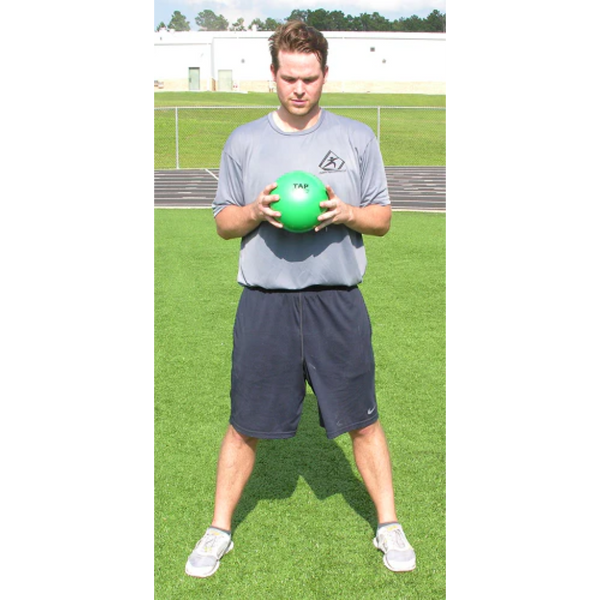
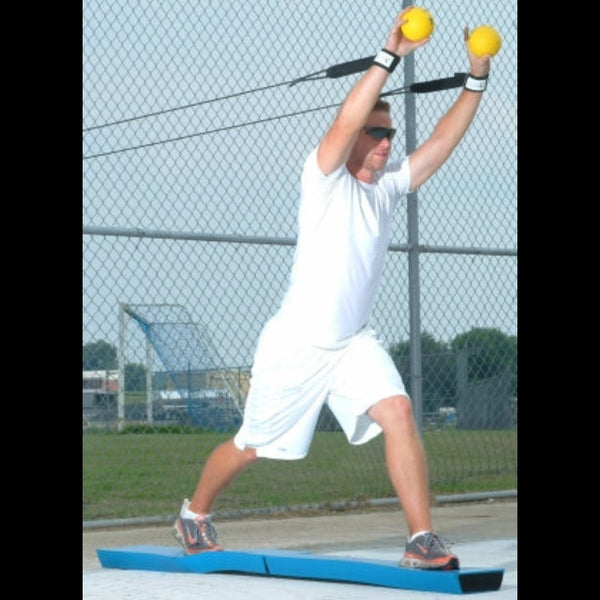
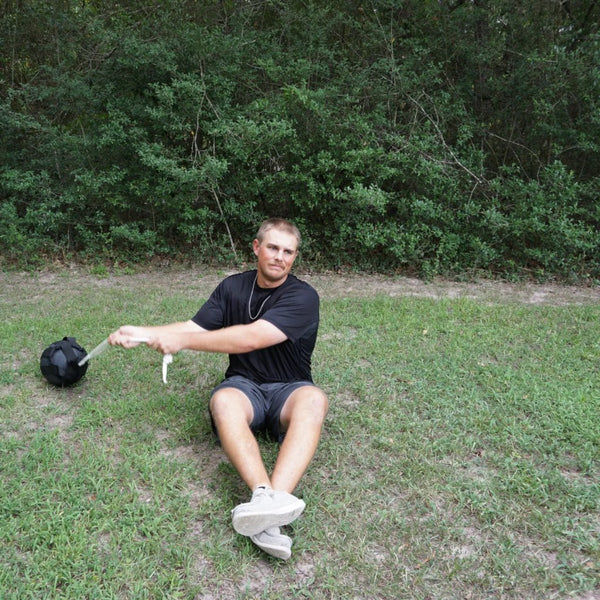
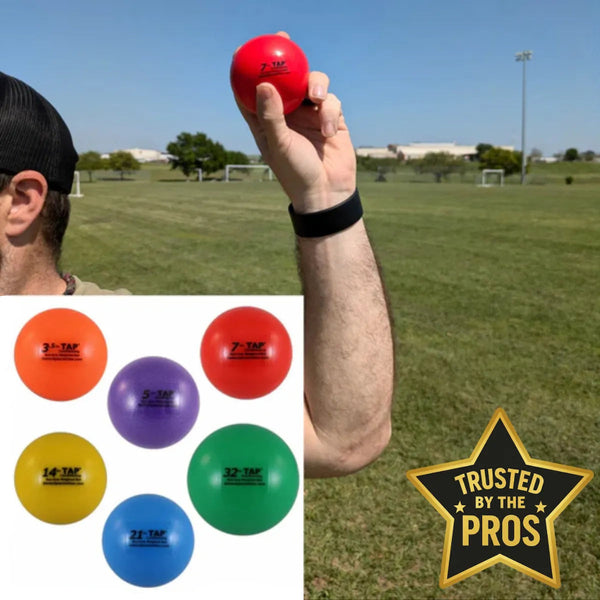
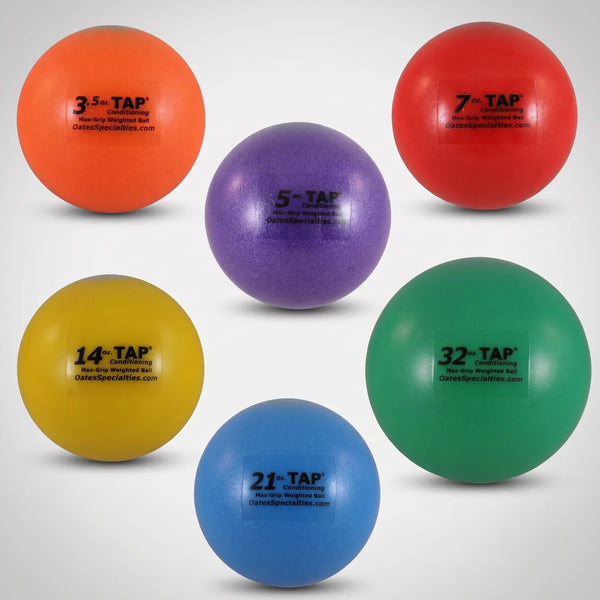
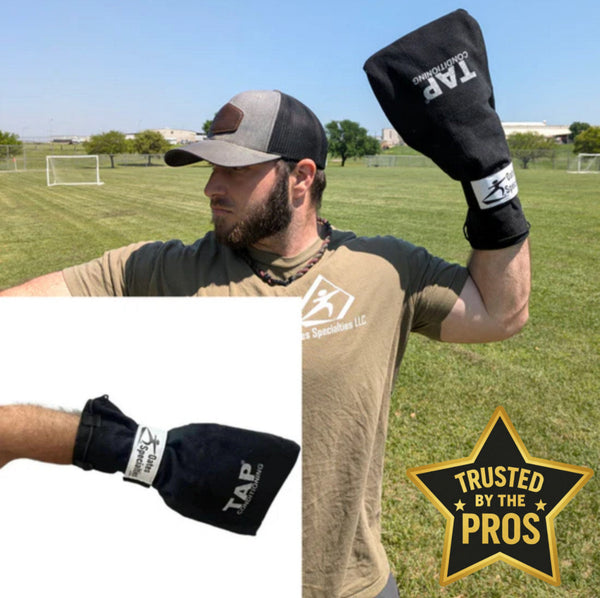
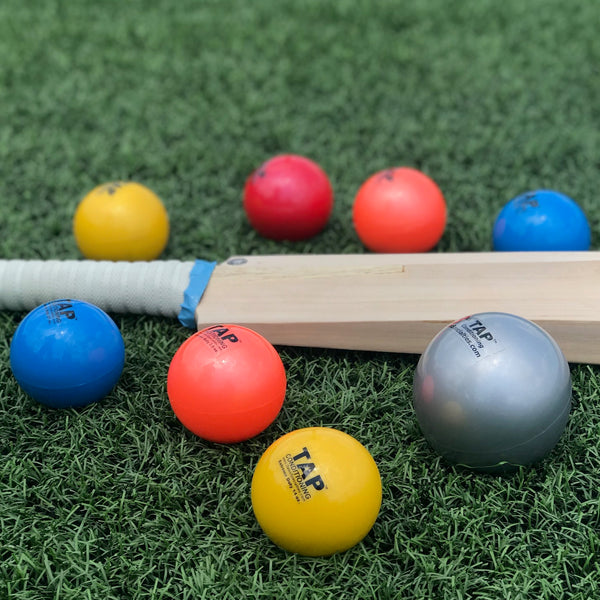
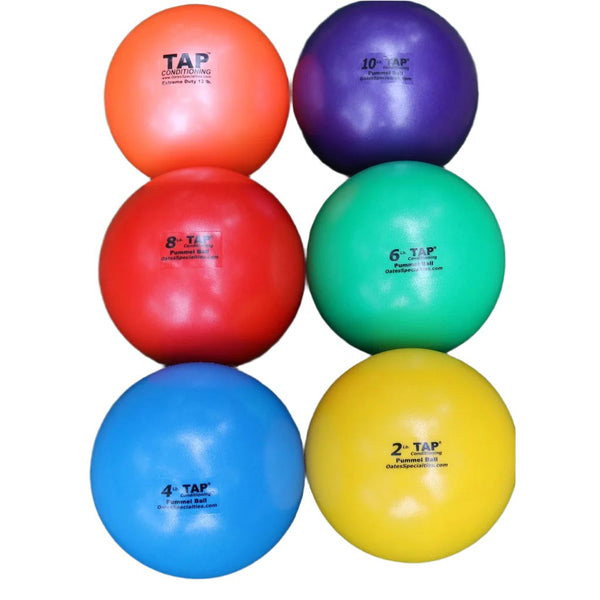
TAP® Max‑Grip Weighted Ball. A textured‑grip plyometric platform designed specifically for overhead athletes, available across the full weighted‑ball range.
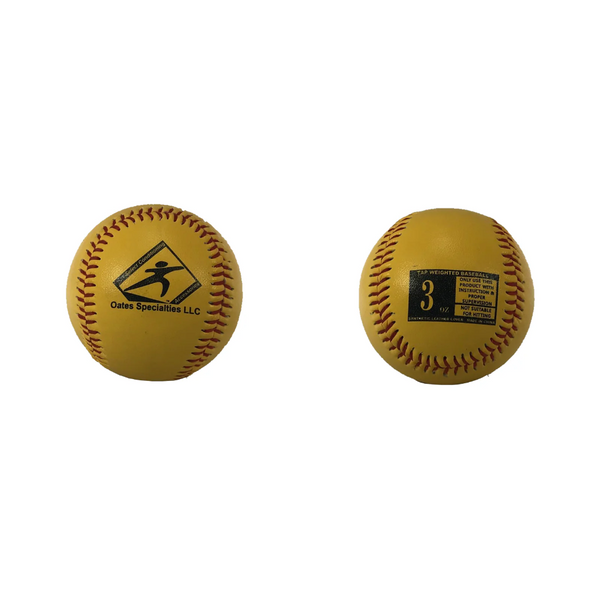
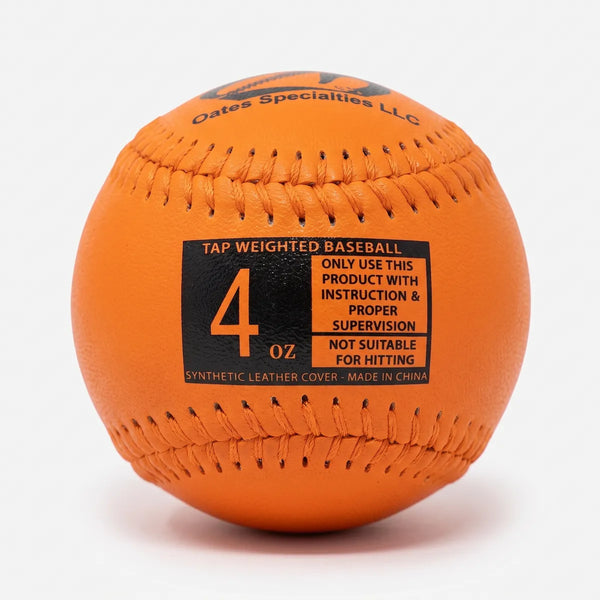
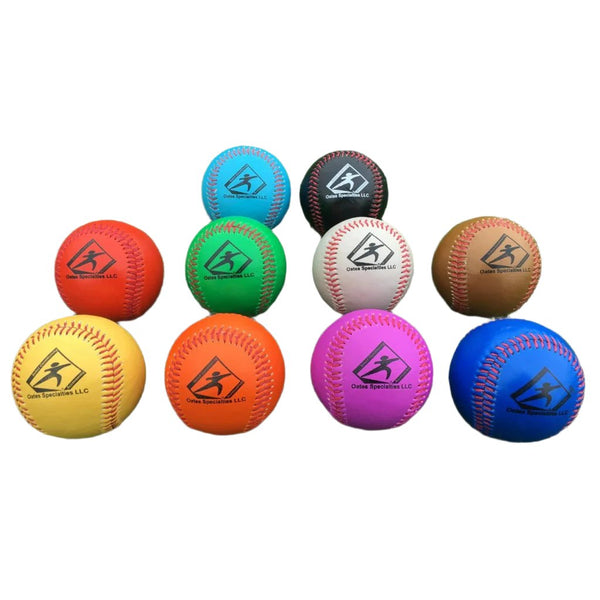
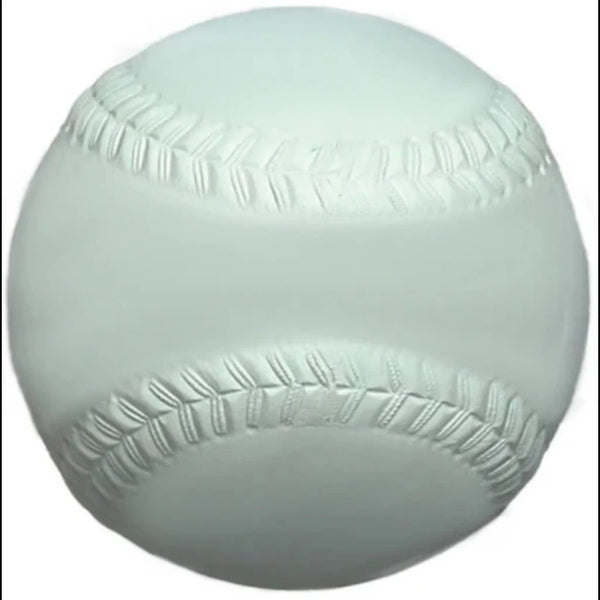
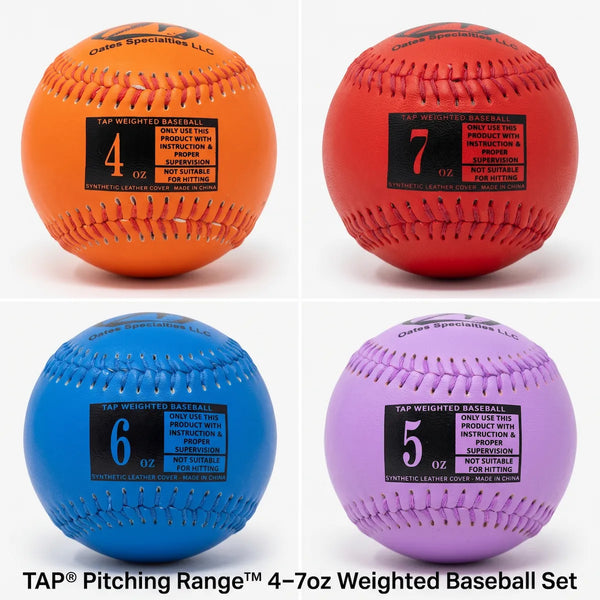
TAP® Weighted Baseball. A synthetic‑leather training ball built to regulation baseball size in multiple progressive weights.
Underload Training Ball. A lighter, arm‑speed‑focused ball built specifically for overspeed applications.
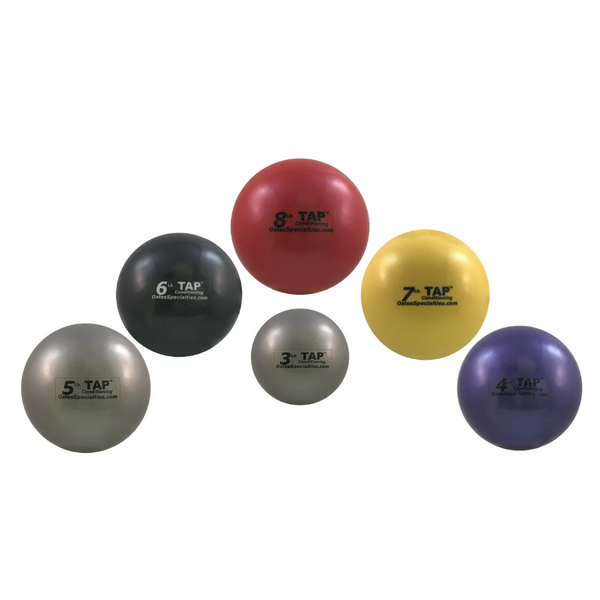
TAP® Mini Medicine Balls. Compact, versatile training tools designed to be used like light dumbbells for small‑range plyometric patterns and indoor shot‑put‑style drills, not for full baseball‑style throws.
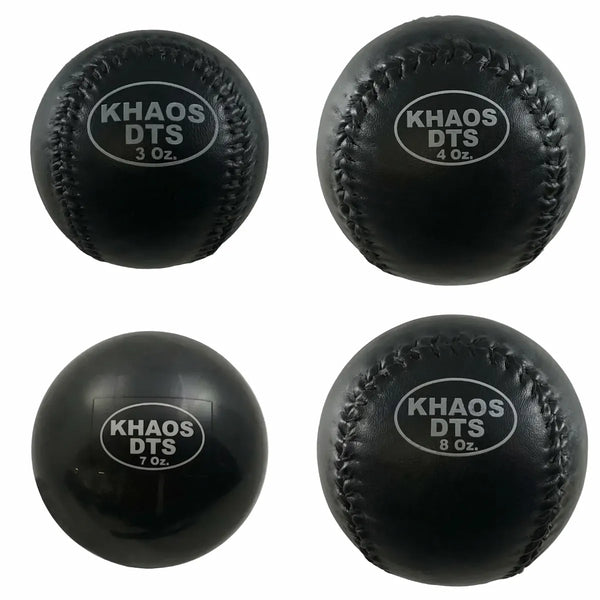
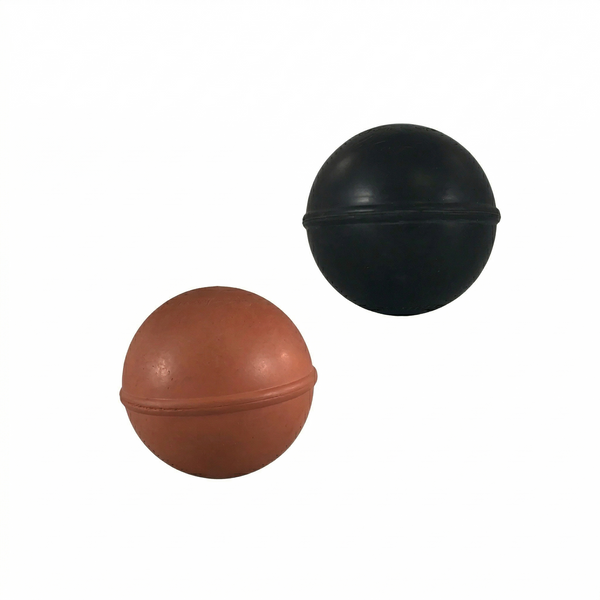
KHAOS® DTS Ball Set. A differential‑training system, recognized as 2019 ABCA Best of Show, featuring balls of the same color but different shapes, sizes, and textures so the nervous system has to adjust to varying constraints on each throw.
Implementing a plan
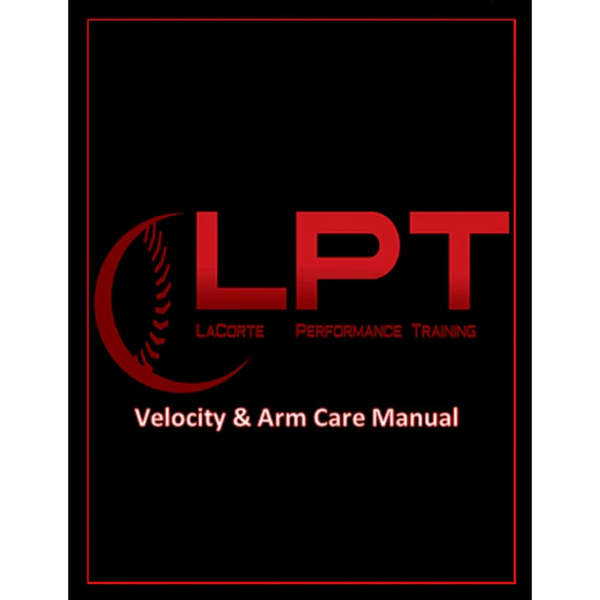
A structured program is essential before introducing weighted‑ball work. The LaCorte Velocity & Arm Care Manual, available in this category, is a coach‑designed eight‑week framework that shows one tested way to begin this training safely; it is a template, not a substitute for individual medical or coaching judgment. For organizations that want help selecting tools and aligning them with a coach‑led plan, call or text our team at (936) 295‑4459 — we can help match weighted‑ball options to athlete age, level, and existing arm‑care work, while leaving the specific drill design and day‑to‑day programming to your staff.
Most credible programs put the minimum at 13–14 years old with an established throwing base and no active arm issues. Younger athletes can benefit from very light arm-specific plyometric work as part of arm care, but full weighted-baseball programs belong in later high-school and beyond.
Weighted-ball injury risk exists — but it's not the ball's fault, it's the programming's. Poorly programmed weighted-ball work (too much volume, too heavy too fast, no arm care) has produced injuries in published studies. Well-programmed weighted-ball work has an excellent safety record. Use a documented program, respect the ramp-up, and prioritize arm care.
The KHAOS® DTS Ball Set earned ABCA Best of Show honors in 2019 by introducing a unique approach to differential training. By pairing a unified color scheme with varying shapes, sizes, and textures, the system removes visual anticipation from the equation. Because the athlete cannot pre-plan a rigid movement pattern, the movement system must self-organize dynamically around the specific constraints of each throw to achieve the task goal. This continuous variability challenges the body to find stable, efficient movement solutions, accelerating the development of robust motor control and throwing power.