

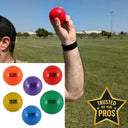
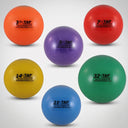
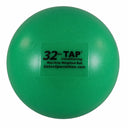
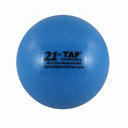
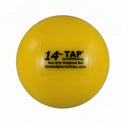
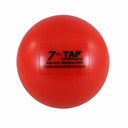
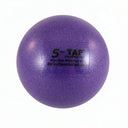
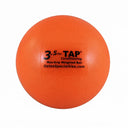
TAP® Max-Grip Gewichteter Ball
$8.95
Ships from Huntsville, TX
In Stock
Ordering for a team or facility?
Get volume pricing and help choosing the right tools for your players.
Ask me anything about this product
Sizing · use cases · technique · shipping — instant answers
Ask about TAP® Max-Grip Gewichteter Ball — how to use it, what athletes it fits, sizing, or how it compares to other tools we make. Answers are focused on this product.
Innovating since 2003
Family-owned, Huntsville TX
Talk to the team
Real specialists, not a call center
Made for daily program use
Designed for continuous reps, every day, every season
100+ implements, organized by goal
Arm care, velocity, strength, and recovery
About This Product
Textured, sand-filled soft-shell balls for supervised plyometric, wall-based, and contact work.
The TAP® Max-Grip Weighted Ball is a sand-filled, soft-shell training implement for pitchers, position players, hitters, and coaches using wall-based throws, target work, rebounding drills, and batting practice within a broader training plan. Its textured matte shell is designed for secure handling, while the pliable construction is built for repeated use in appropriate wall, net, screen, and target setups.
- Textured Grip for Secure Handling — A textured, matte finish adds hand friction for secure handling during supervised drill work.
- Sand-Filled Weight Range (3.5–32 oz) — Six available weights give coaches options to vary a planned task according to the athlete, intent, and training setting.
- Soft-Shell Contact Construction — A sand-filled core and pliable shell are designed for repeated controlled contact with suitable walls, targets, nets, screens, and batting setups.
- Heavy-Duty Build with Warranty Support — A thermoplastic casing is backed by a 2-year limited warranty against manufacturing and material defects.
- Coach-Directed Drill Use — Max-Grip is used in supervised arm-care, plyometric, controlled arm-path, and contact-work blocks; the appropriate ball, task, intent, and volume depend on the athlete and plan.
What Is It?
The TAP® Max-Grip Weighted Ball is a compact, sand-filled plyometric training ball with a textured, slip-resistant outer shell, available in individual weights from 3.5 oz to 32 oz and in a six-ball set that covers the full range. Each ball is sized for a comfortable one-hand grip, with added surface friction for controlled handling during planned drill work.
It belongs to the family of soft-shell weighted balls used for coach-directed throwing, rebounding, and batting applications. The Max-Grip construction is intended for appropriate hard-surface, net, screen, and target setups where grip security and a soft-shell contact implement are useful.
Design and Drill Context
Three features that shape how Max-Grip fits planned training tasks
Weight Variation
Available from 3.5 to 32 oz, Max-Grip gives a coach lighter and heavier options for changing a planned drill task. Weight alone does not prescribe the work; the athlete, task, intent, and total workload determine the decision.
Textured Grip
The textured matte shell is designed to provide secure hand friction during sessions where sweat, repeated catches, wall contact, or batting work can make a smooth surface harder to handle.
Soft-Shell Contact Work
The sand-filled core and pliable shell are designed for repeated controlled contact with suitable walls, targets, nets, screens, and batting setups. Inspect the training area and implement before use.
Research and Practitioner Context
A Tool Within a Larger Plan
The TAP® Max-Grip Weighted Ball is a soft-shell implement used in supervised drill applications; the appropriate use depends on the athlete, task, intent, total workload, and coaching oversight.
Experienced practitioners use soft-shell weighted implements, including heavier options, in selected arm-care and controlled arm-path drills. Those are practitioner applications, not a universal protocol or a promise of a specific result.
3.5–32 oz
Six available weight options for planned task variation
6 Weights
Individual balls, plus a complete six-ball set
Textured Matte Shell
Designed for secure handling during supervised drill work
Video Library
See The Max-Grip Weighted Ball In Action
Click the thumbnail to play from the start — click any timestamp to jump to that moment.
2020
TAP™ Max-Grip Weighted Ball | Extremely Durable, Challenge Neuromuscular Awareness
Chapter Guide — 10 Timestamps
| Introducing the new TAP® Max-Grip Weighted Balls. | |
| Background: soft-shell plyo balls built for concrete and brick wall-work since 2009. | |
| Announcing the upgraded Max-Grip generation. | |
| What’s new: the non-slip textured finish and improved shell durability. | |
| Moisture control and slip resistance for sweaty hands. | |
| Warranty coverage on the shell. | |
| Individual ball purchasing options. | |
| Full six-ball set breakdown, 32 oz down to the 3.5 oz underload ball. | |
| Set bundle perks, including the included travel mesh bag. | |
| Closing recommendations for warm-up and velocity training routines. |
Product Details
How to Use It
Planned drill work: Max-Grip is used for wall-based throws, target tasks, rebounding/contact work, and batting drills. Select the ball, target or surface, throwing position, intent, and throw count before the session begins.
Coach-directed arm-care and arm-path work: Experienced practitioners use lighter and heavier soft-shell options in selected supervised arm-care and controlled arm-path drills. The appropriate application depends on the athlete, drill purpose, total workload, available space, and coaching oversight.
Workload context: A planned drill is still throwing work. Count it within the athlete’s total workload, avoid adding multiple new variables at once, and stop for pain, altered throwing, loss of control, or unusual discomfort.
Weight Variants & How to Choose
| Weight | SKU | UPC | Drill Context |
|---|---|---|---|
| 3.5 oz | MGB3.5 | 608938929761 | Lighter-weight option for coach-directed task variation |
| 5 oz | MGB5 | 608938929778 | Near-regulation-weight option for planned drill work |
| 7 oz | MGB7 | 608938929785 | Moderate-weight option for controlled task variation |
| 14 oz | MGB14 | 608938929792 | Heavier option for selected supervised wall-based or contact work |
| 21 oz | MGB21 | 608938929808 | Higher-load option requiring defined drill context and close supervision |
| 32 oz (2 lb) | MGB32 | 608938929815 | Highest-load option for specific coach-directed applications |
| Set of Six | MGWBS | 608938929730 | Complete 3.5–32 oz selection for supervised drill planning |
There is no universal starting weight or progression. Choose a ball based on the athlete, drill purpose, surface or target, intended effort, current workload, and the coach’s ability to observe the work. Higher weights are not a required next step.
Who This Is For
- Pitchers, position players, and hitters using supervised wall-based, target, contact, and batting work within a broader training plan.
- High-school, college, and professional programs that need durable, textured soft-shell balls for planned drill work.
- Private training facilities and skill coaches using task variation, wall work, contact drills, and controlled arm-path applications.
- Coaches and families looking for a soft-shell training implement that fits a supervised plan rather than a stand-alone program.
We are not coaches. We do not provide coaching.
What This Implement Does NOT Do
- It does not replace core program elements such as a complete throwing program, full-body strength training, or general conditioning; it is a soft-shell plyometric and contact-work implement.
- It does not independently fix mechanics, guarantee velocity gains, establish a universal arm-care protocol, or prevent injury; outcomes depend on the overall program, workload, and coaching oversight.
- It does not make a drill automatically low stress. Intent, throwing position, surface, ball weight, throw count, and the athlete’s response all matter.
- It is not a medical, therapeutic, or rehabilitation device and should not be used or marketed as a way to diagnose, treat, or prevent injury.
Technical Specs
| Product Family | TAP® Max-Grip Weighted Ball — Heavy-Duty Soft-Shell Plyometric and Contact-Work Balls |
|---|---|
| Primary Use | Wall-based throws, target work, rebounding/contact drills, batting drills, and coach-directed arm-care applications |
| Training Context | Supervised task variation, secure handling, controlled arm-path work, and contact-based training tasks |
| Construction | Sand-filled core with heavy-duty resin/thermoplastic casing; textured matte shell |
| Weight Range | 3.5 oz to 32 oz; compact one-hand grip size |
| Set Package | Approximately 12.28 x 9.45 x 3.82 in; approximately 5.45 lbs total with packaging |
| Environment | Indoor or outdoor; suitable clean walls, targets, nets, screens, and batting setups with adequate clearance |
Safety and Youth Guardrails
The TAP® Max-Grip Weighted Ball is designed for athletes 13 and older and should be used under qualified adult or coach supervision. Match the ball, drill, intent, volume, space, and total throwing workload to the athlete. Stop immediately for sharp or unusual discomfort, altered throwing, loss of control, or symptoms that do not settle as expected.
- Not a toy: A supervised training implement, not a play item.
- Not for impact on other people: Use only against suitable walls, targets, nets, screens, or batting setups in clear spaces.
- Inspect before use: Check the ball, wall or target, surrounding area, and available clearance before beginning a drill.
- Not a rehabilitation device: Not a substitute for medical treatment, physical therapy, or return-to-throwing guidance.
- Not for sharp or cluttered spaces: Avoid edges, obstacles, or surfaces that can damage the shell or create an unsafe rebound.
FAQs
How is Max-Grip different from standard plyo or soft-shell weighted balls?
Max-Grip uses a textured matte shell for added hand friction and a sand-filled soft-shell construction designed for controlled wall-based, target, contact, and batting work. Use it only in an appropriate, clear training environment and inspect the ball and surfaces before use.
Which weight should I use?
There is no universal starting weight. A qualified coach should choose the ball based on the athlete, drill purpose, intended effort, target or surface, current workload, and ability to control the task. Higher weights are not an automatic next step.
Can athletes younger than 13 use Max-Grip Weighted Balls?
Max-Grip is designed for athletes 13 and older. Younger athletes should not self-prescribe weighted-ball work; any training decision should be made conservatively with qualified adult supervision and appropriate attention to the athlete’s broader throwing workload.
Where does this fit in a training plan?
Max-Grip fits within planned, supervised wall work, target tasks, contact drills, batting practice, and arm-care blocks. It does not replace regular throwing, full-body strength work, or recovery. Account for every throw and contact drill within the athlete’s broader workload.
Are these safe to throw against concrete or brick?
The sand-filled core and heavy-duty casing are designed for controlled hard-surface work, but no surface or drill is universally appropriate. Confirm that the wall, target, surroundings, and available clearance are suitable; avoid sharp edges and hazards; inspect the shell regularly; and supervise the drill.
Questions before you buy? Call or Text Our Team at (936) 295-4459
Customer Reviews
What Customers Are Saying
Loading reviews…
No reviews yet for this product.
Be the first to review