Der Ball Coach™
From $15.00
In Stock
Hast du ein Konto?
Logge dich ein, damit es beim Checkout schneller geht.

Measure what matters — radar, targets, and layout tools that turn feel into feedback.
13 products
Hey Oates — AI Training Assistant
Ask Hey Oates — trained on our catalog and training library.

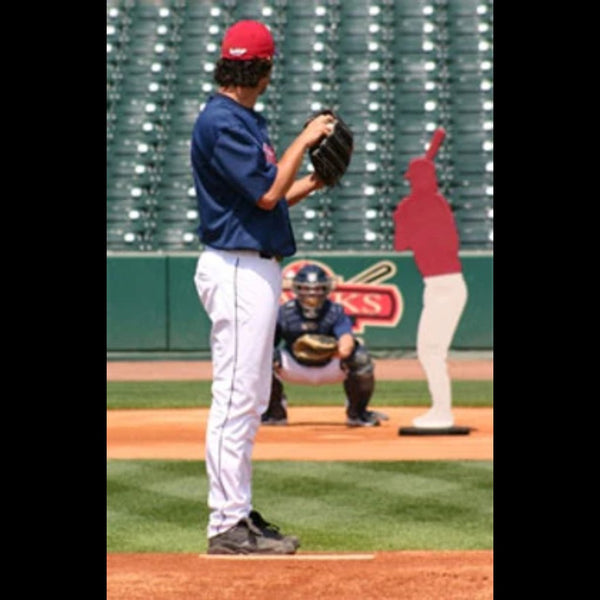
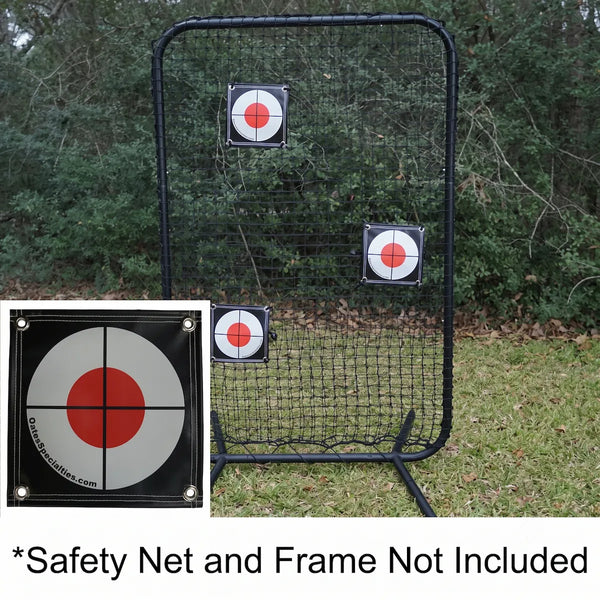
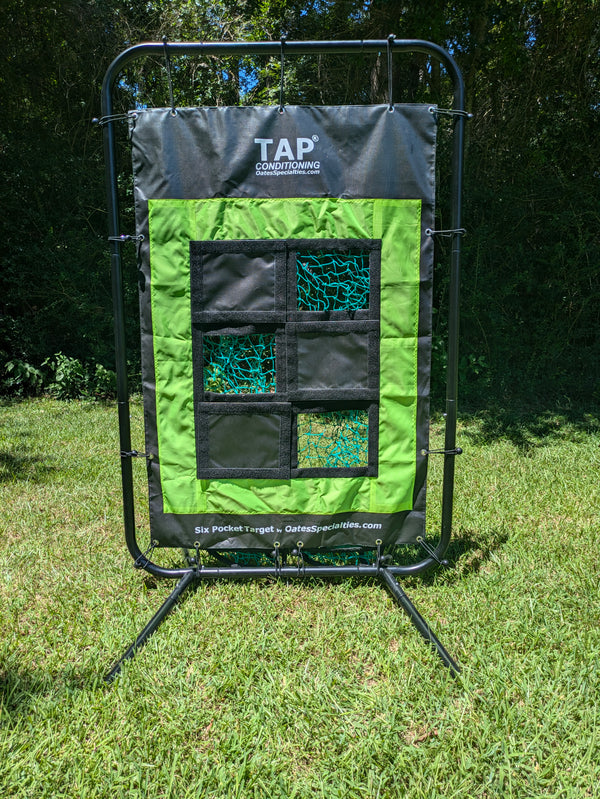
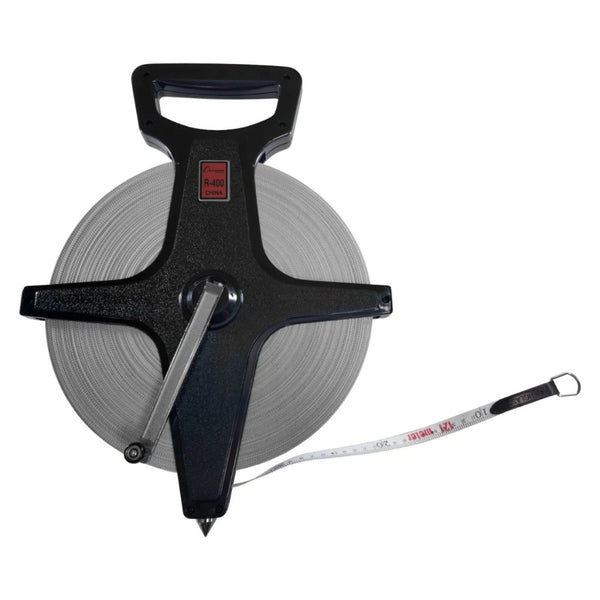
If you can’t measure it, you can’t train it. Measurement tools take the guesswork out of development — pitch velocity, bat speed, exit velocity, launch angle, and field layouts stop being estimates and start being data the athlete can act on.
What honest measurement changes:
What’s in the collection
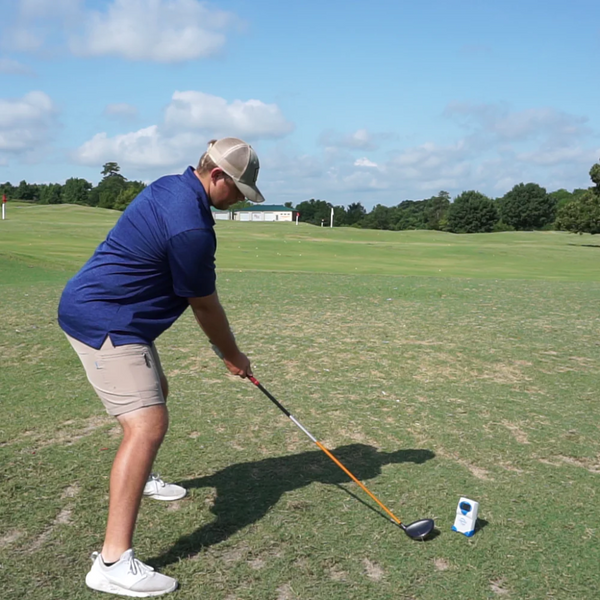
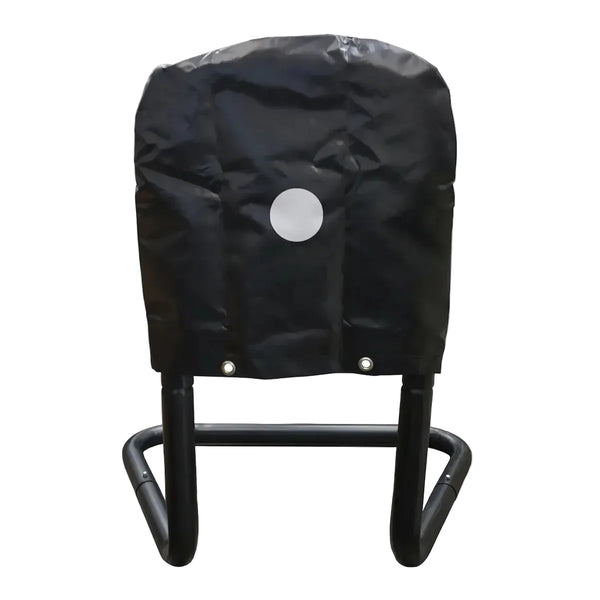
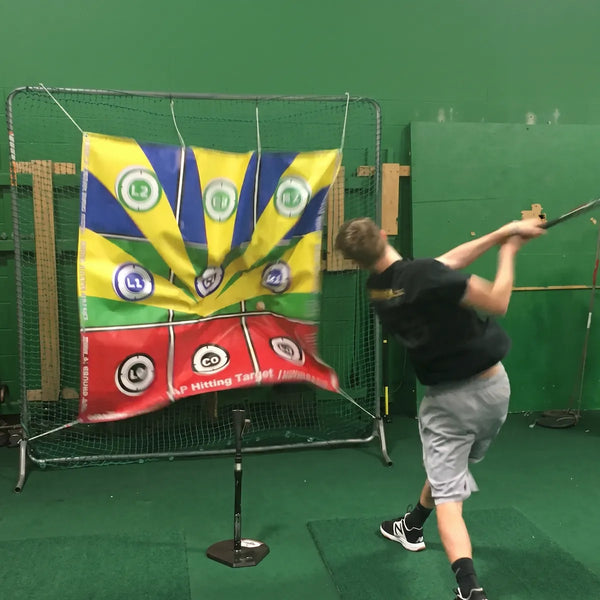
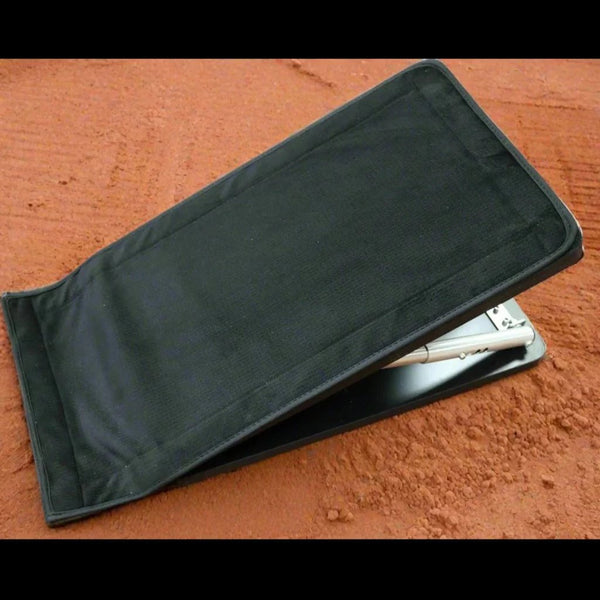
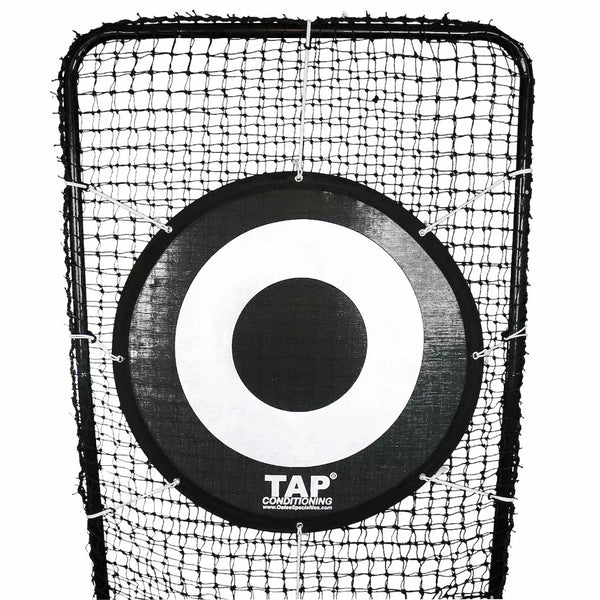
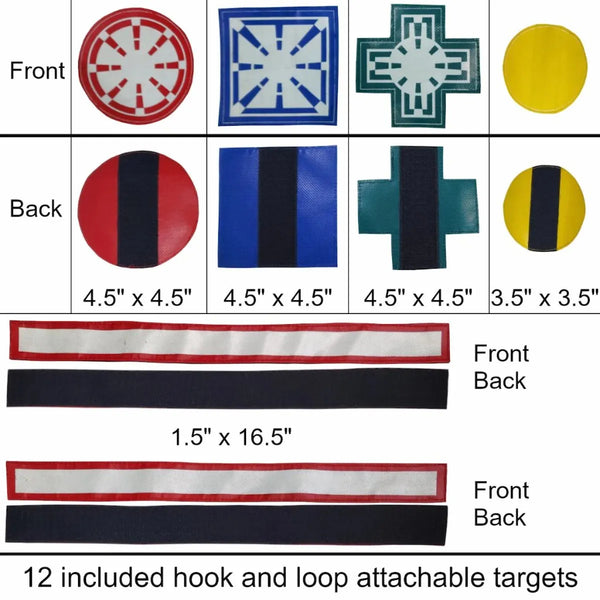
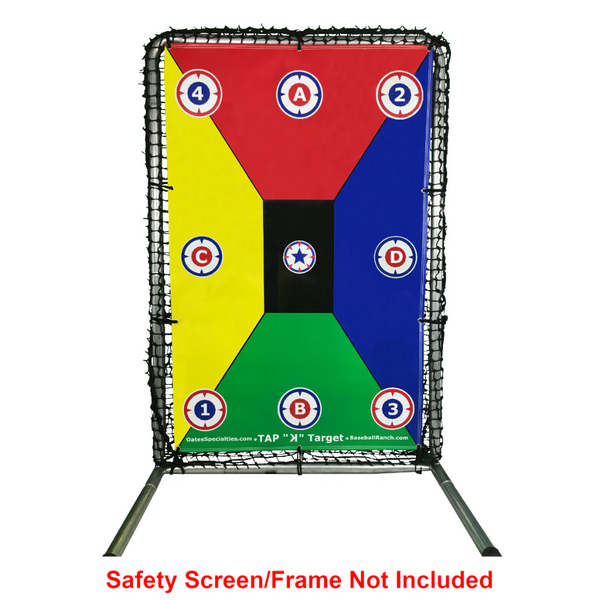
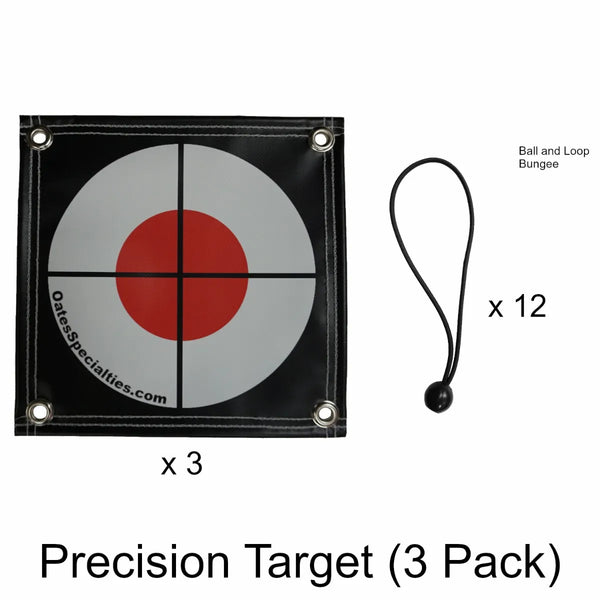
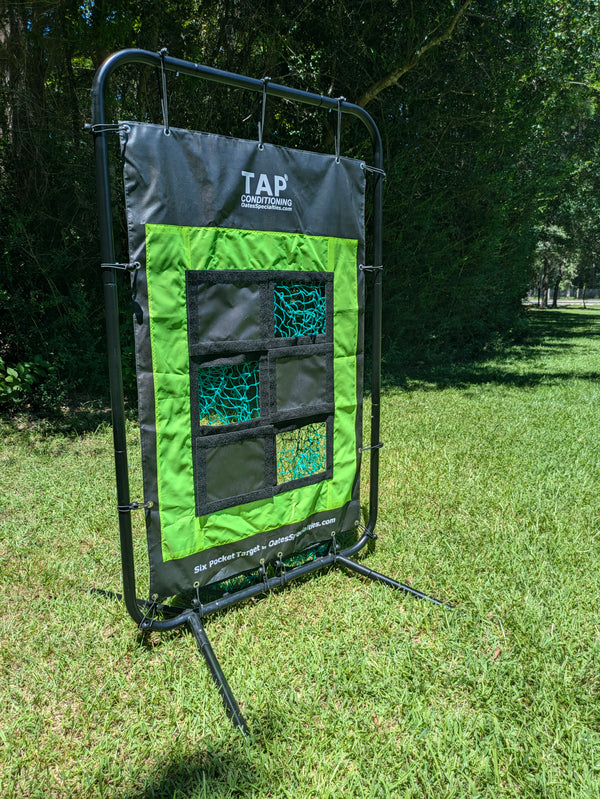
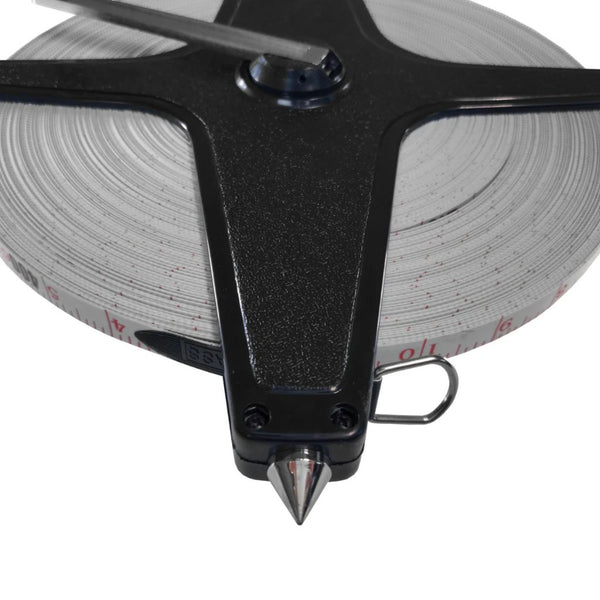
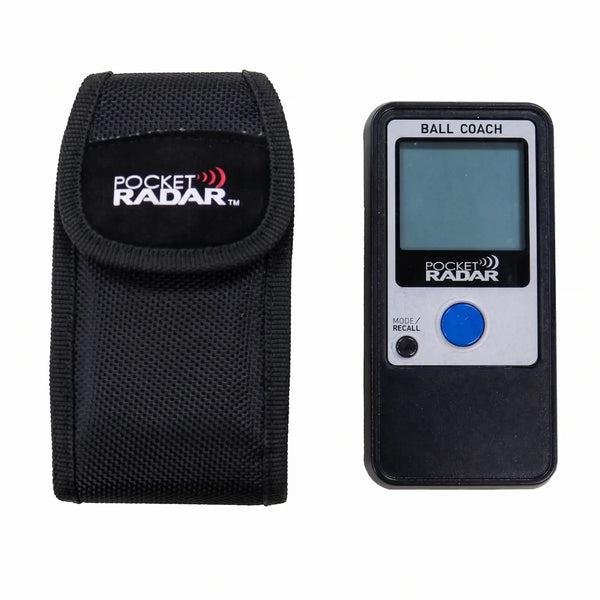
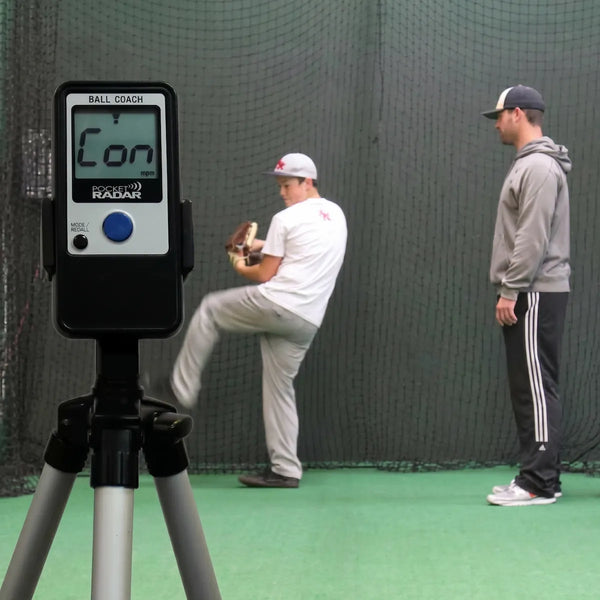
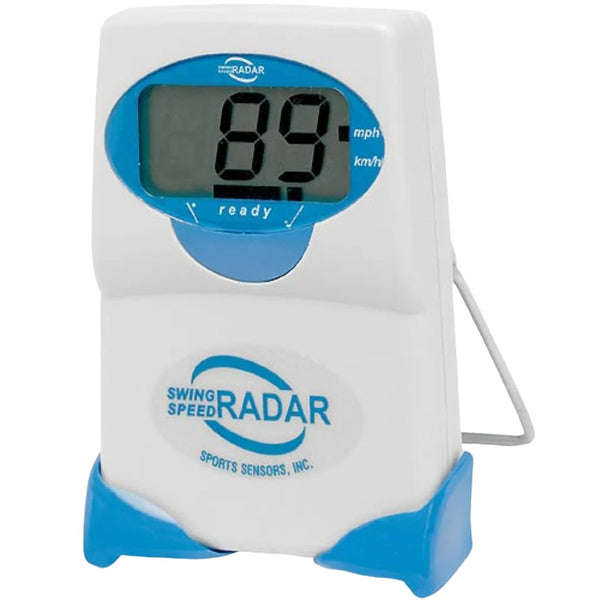
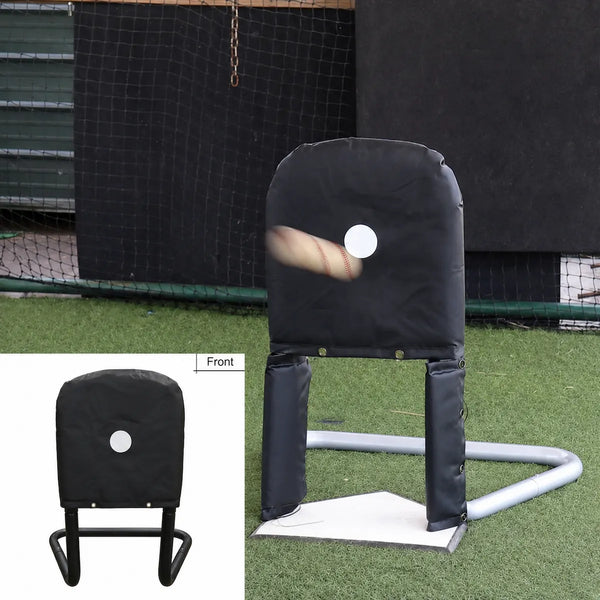
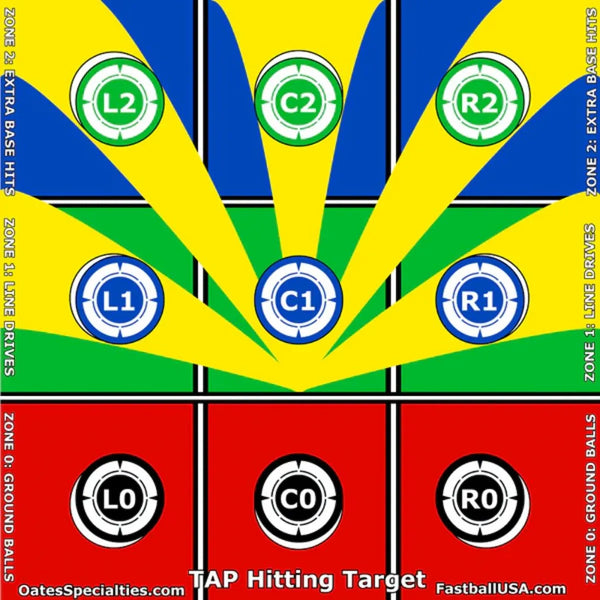
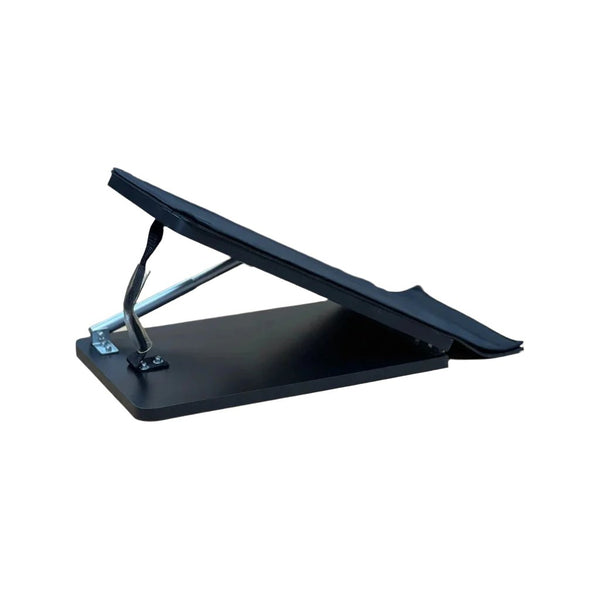
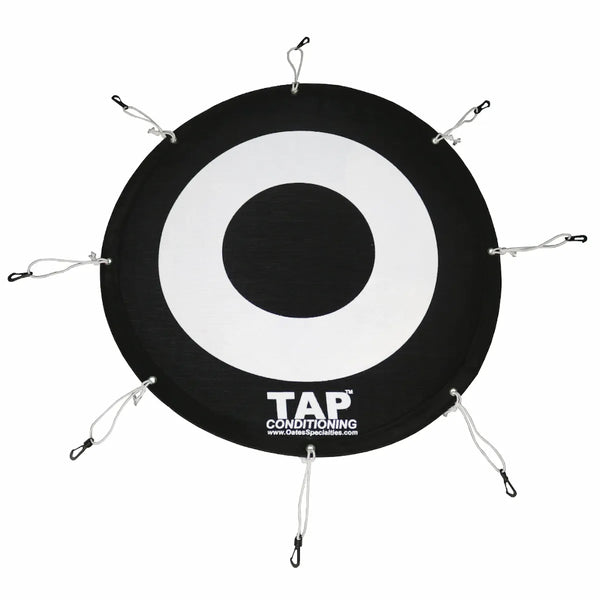
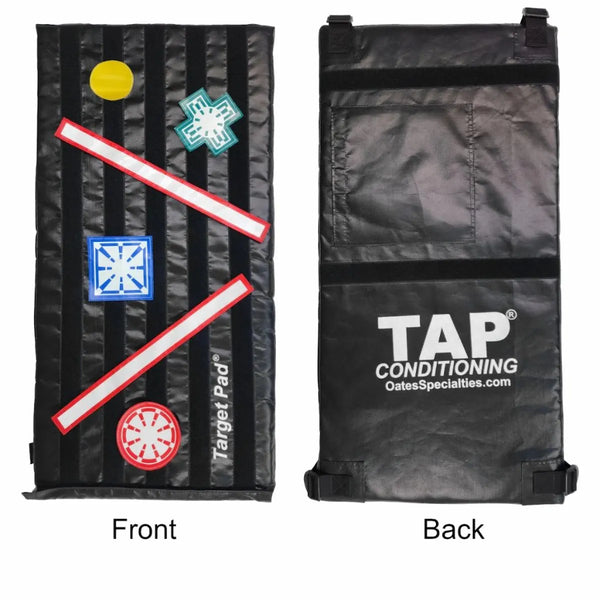
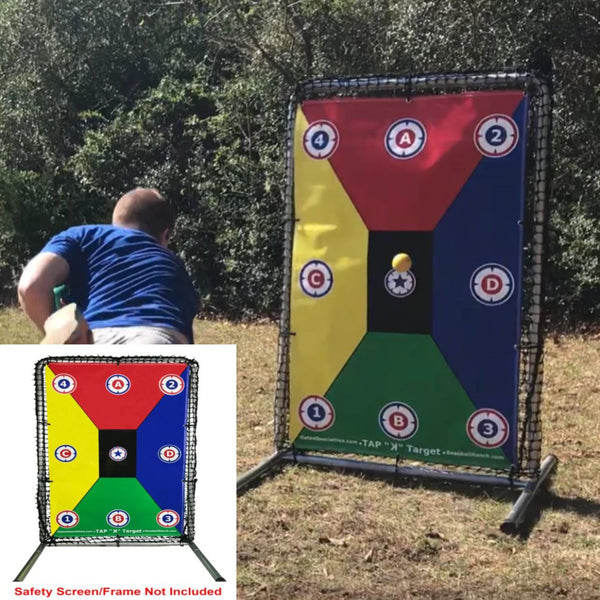
The Pocket Radar – Ball Coach™ is a handheld Doppler radar for pitch‑ and exit‑velocity work, using the same core technology found at college and pro camps but priced for individual and program purchase. The Swing Speed Radar measures bat speed for hitters. The TAP® Hitting Target gives visual feedback for launch‑angle and swing‑direction work on the tee or off the machine. The 400' Open Reel Tape Measure and Sports Training Cones handle real throwing distances, fence and target layouts, and drill grids — the unglamorous but essential measurement tools every program eventually needs.
How to use measurement well
Measure the right thing at the right time. In‑season, spot‑check velocity and bat speed once or twice a week to monitor fatigue and intent. In the offseason, measure after specific training blocks to see which pieces of the program are actually moving the needle. Keep a log — patterns over weeks and months tell a truer story than any single reading, and that history is what lets an athlete and coach adjust with confidence. Coaches or parents who want help building a sensible measurement setup for their field and roster can call or text our team at (936) 295‑4459 to talk through which tools fit their level, budget, and space.
Yes. The Pocket Radar Ball Coach™ is Doppler-based, spec'd within ±1 mph, and used at NCAA programs and MLB-affiliated camps. Position it behind or slightly to the side of the catcher, aimed at the release point, and readings are consistent with stadium-grade guns.
The Ball Coach™ can measure both — pitch velocity from behind the mound or the catcher, exit velocity from behind or in front of the hitter's box. Just re-aim for each application. Programs that measure both frequently often buy two radars so drills can run simultaneously.
Bat speed is how fast the barrel is moving through the hitting zone — a swing-mechanics number. Exit velocity is how fast the ball leaves the bat — a contact-quality number. Both matter. Bat speed is measured with the Swing Speed Radar; exit velocity is measured with the Pocket Radar Ball Coach™.
The radars are handheld out of the box, but standard tripod mounts attach to most units. If you need a specific mounting solution for a cage or bullpen, call or text (936) 295-4459 and we'll get you set up.