TAP® Max-Grip Gewichteter Ball
From $8.95
In Stock
Hast du ein Konto?
Logge dich ein, damit es beim Checkout schneller geht.

Velocity Enhancement tools train the arm and body to generate and absorb force — the foundation of higher pitch speeds and durability.
17 products
Hey Oates — AI Training Assistant
Ask Hey Oates — trained on our catalog and training library.
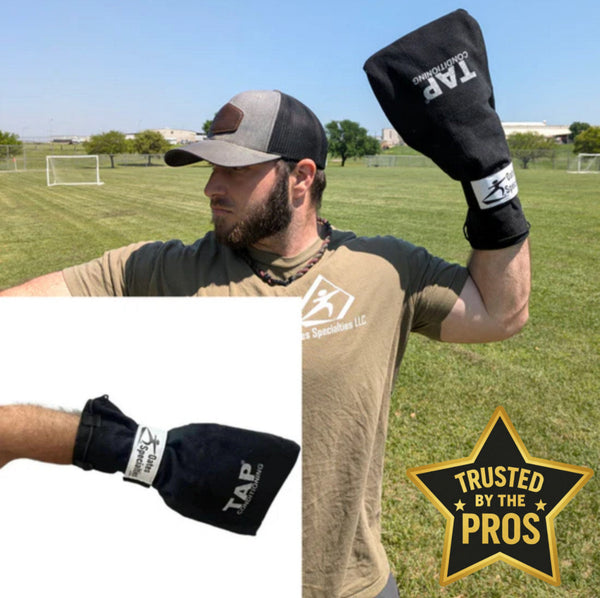
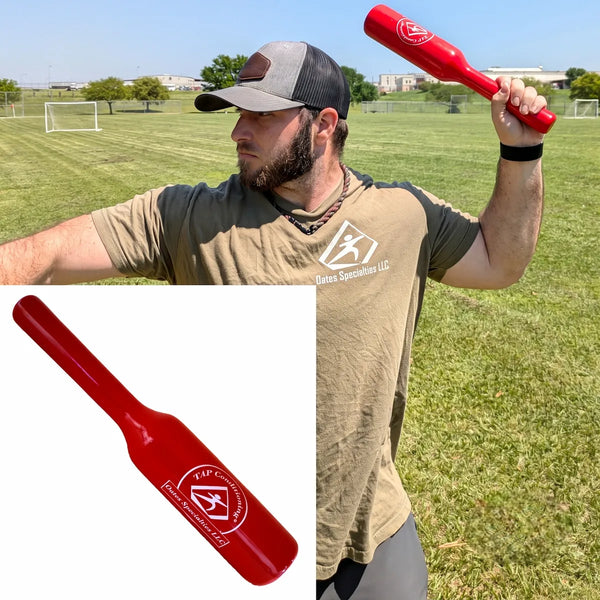
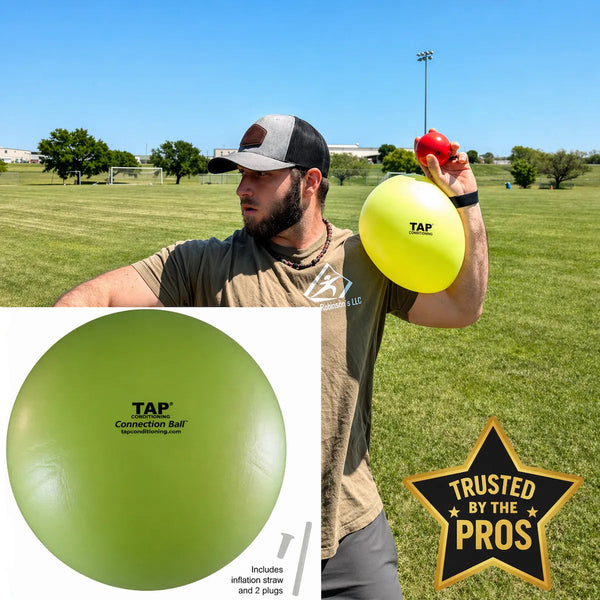
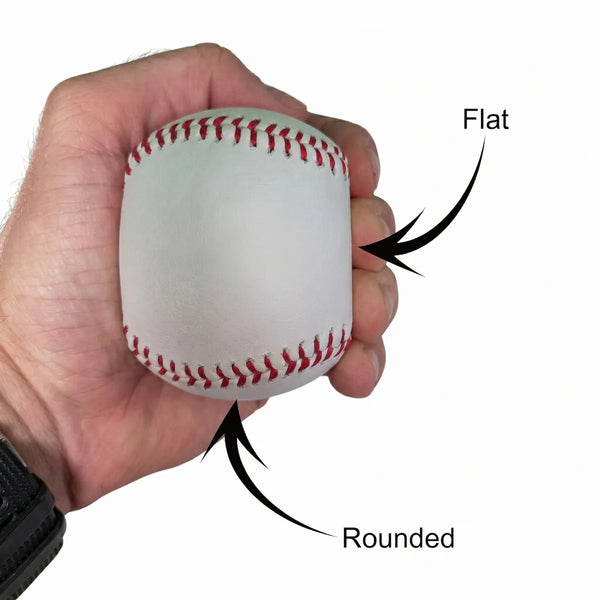
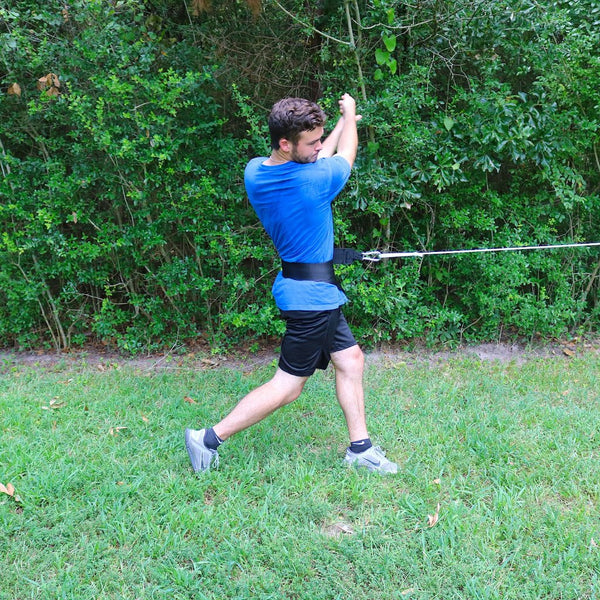
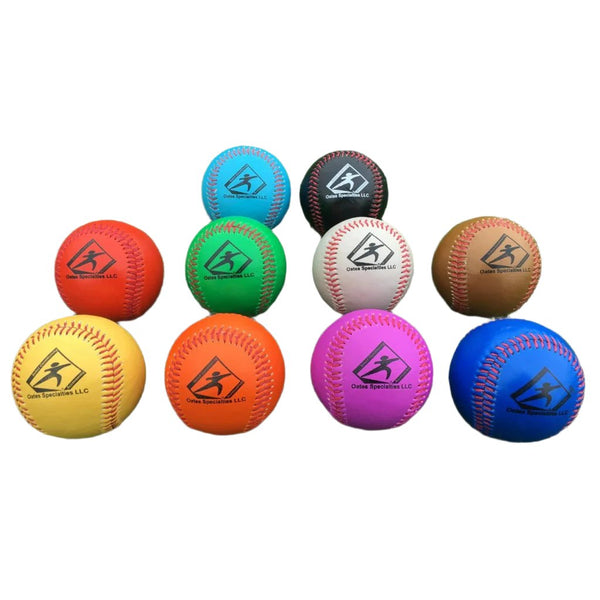
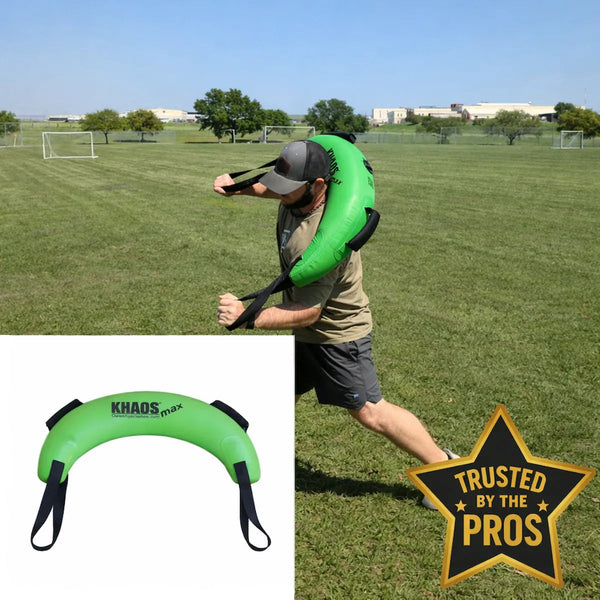
Velocity Enhancement is the deliberate training of the body's ability to both generate and absorb the forces that produce a fast pitch. It is not one skill and it is not one strength quality — it's the coordinated output of a four-phase chain that starts at the ground and ends at the fingertips. Train the whole chain and velocity rises. Train only the part that's already strong and it doesn't.
A serious velocity program trains all four. Every tool in this collection maps to at least one phase.
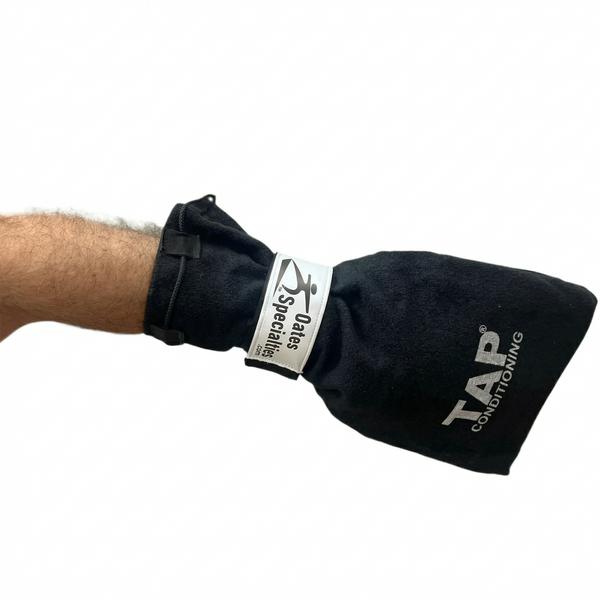
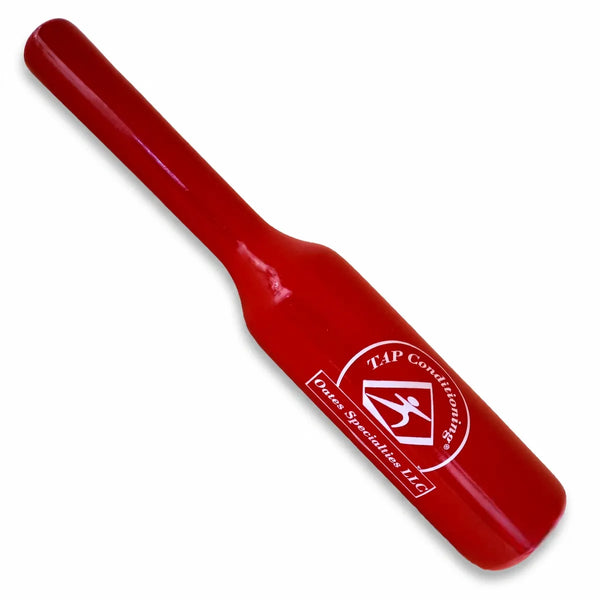
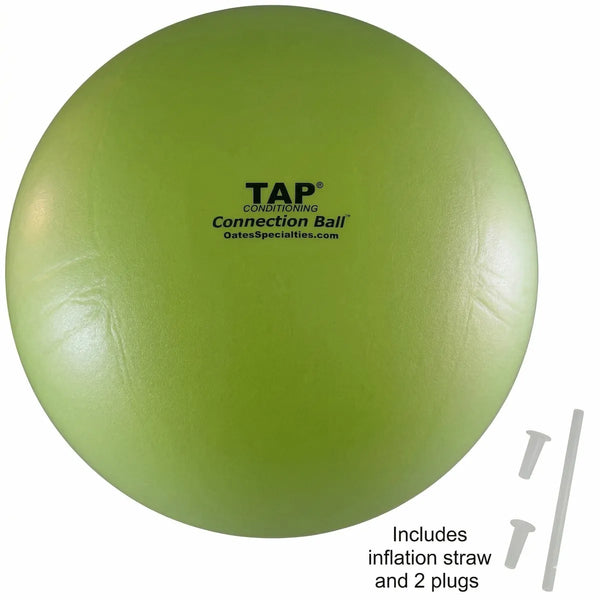
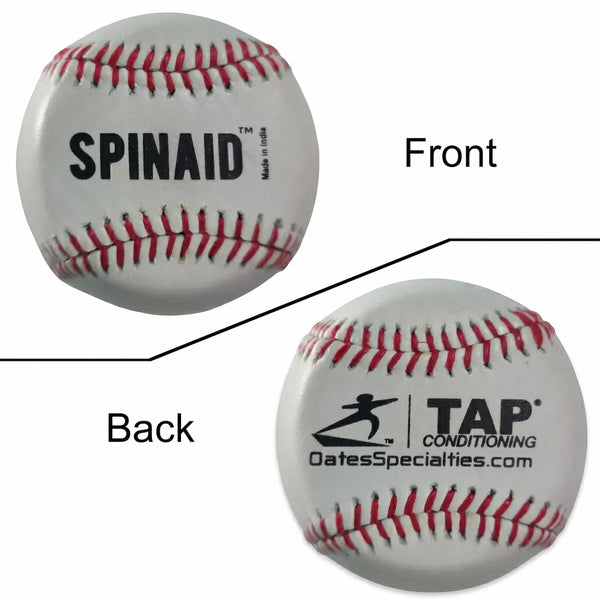
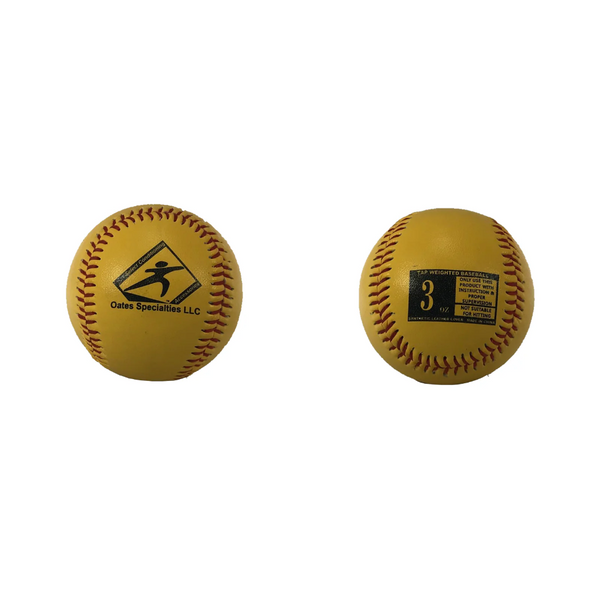
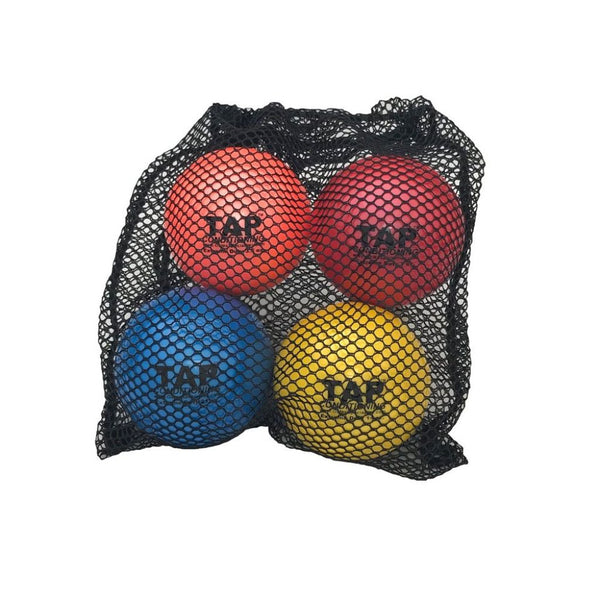
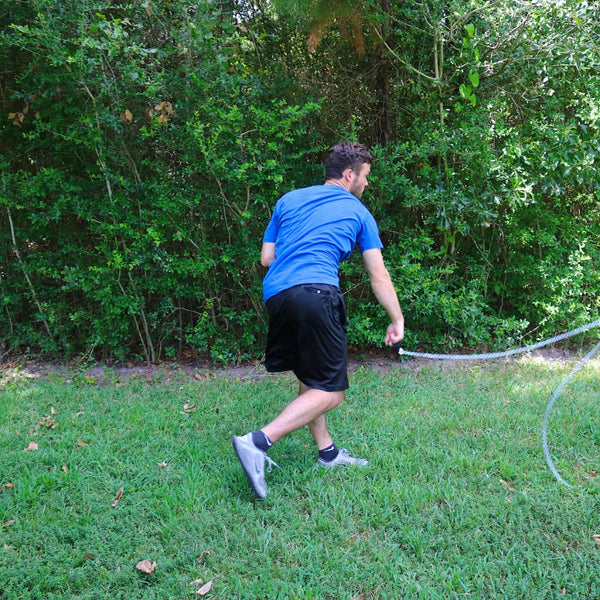
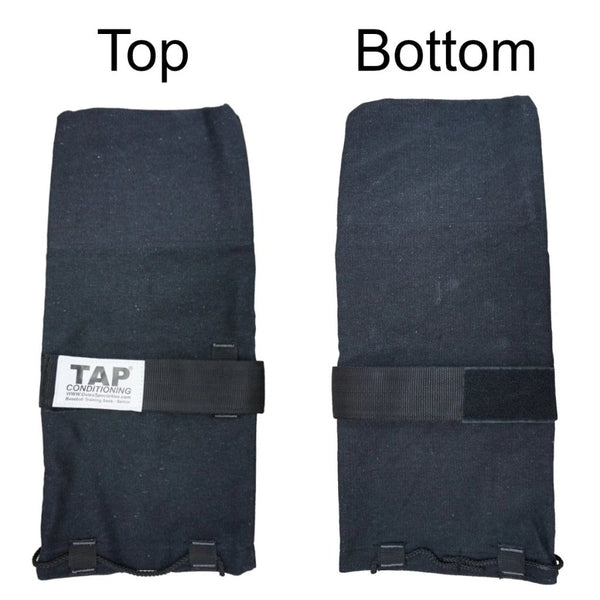
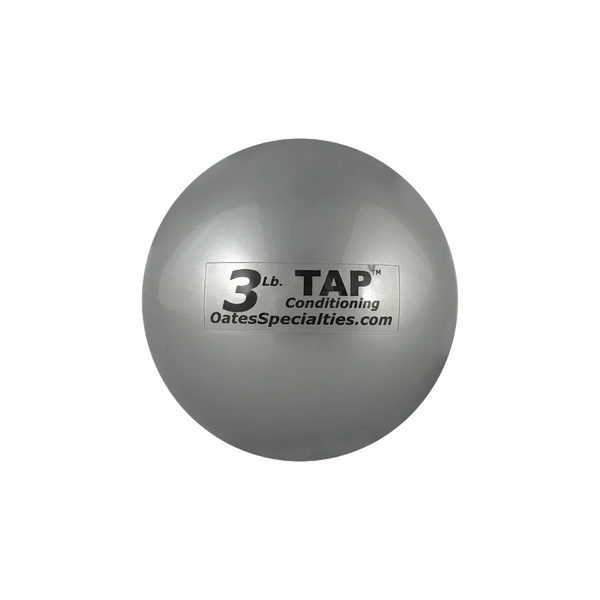
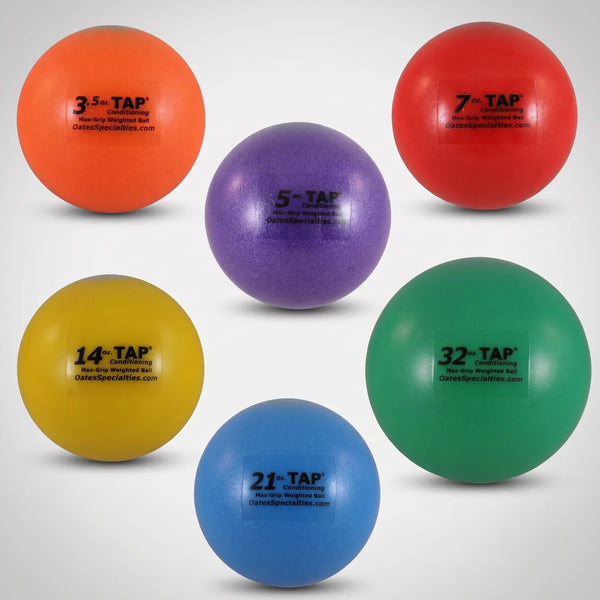
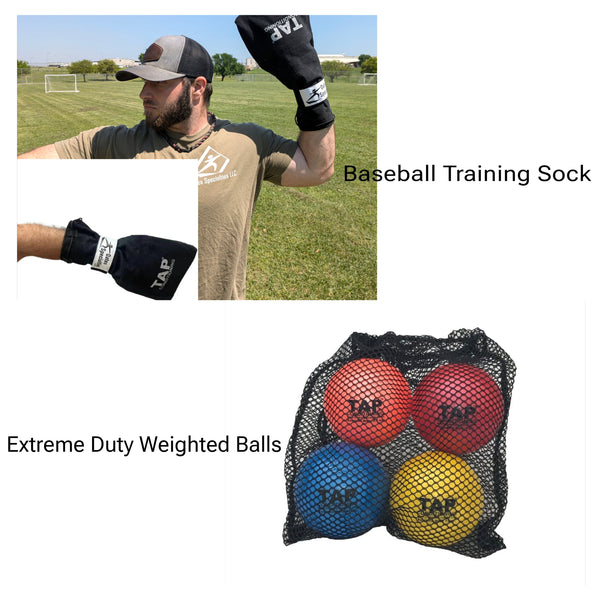
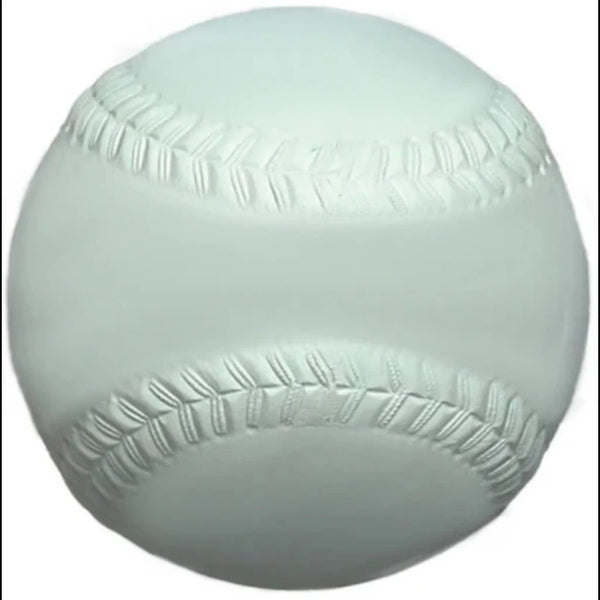
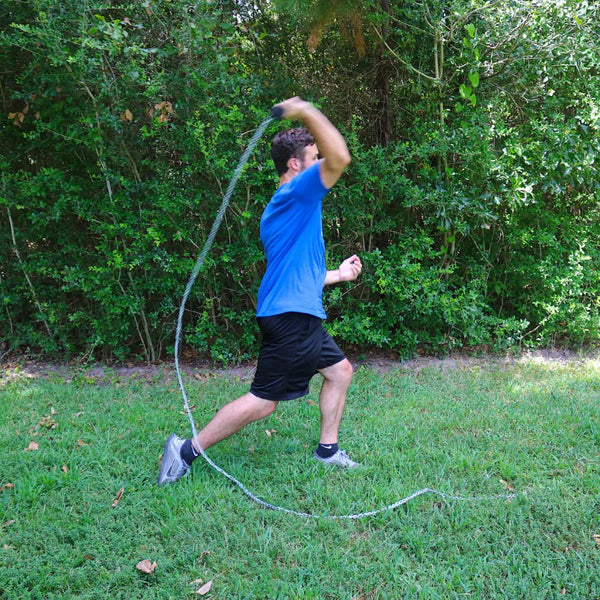
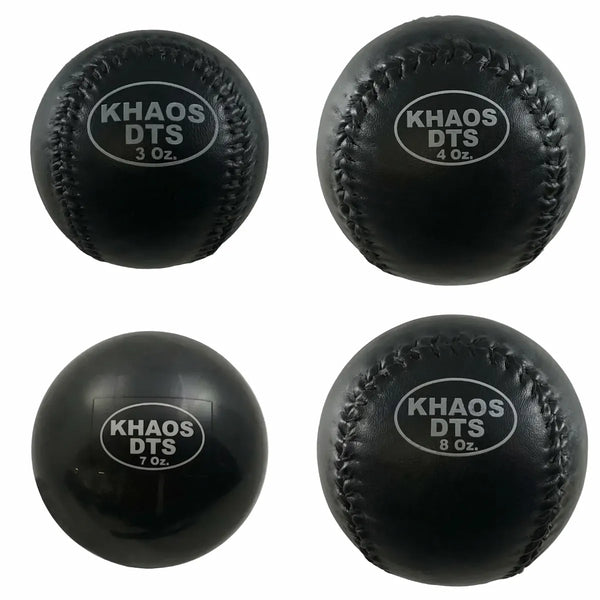
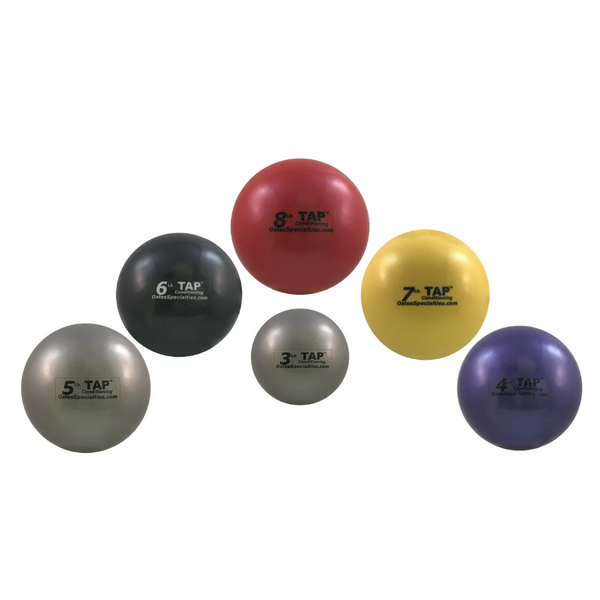
The TAP® Max-Grip Weighted Ball is the plyometric platform — textured-grip training balls for overhead athletes. The TAP® Baseball Training Sock is a wearable throwing aid that loads the arm during actual throws. The TAP® Connection Throwing Club and Connection Ball® handle the arm-path and body-arm-link side. The TAP® SPINAID™ gives visual release feedback. The Donley Hip Spin targets the pelvic-rotation phase directly. The KHAOS® DTS Ball Set — 2019 ABCA Best of Show — brings differential training into the mix. For a fully-programmed pathway, the LaCorte Velocity & Arm Care Program is an 8-week throwing plan that pulls the tools together.
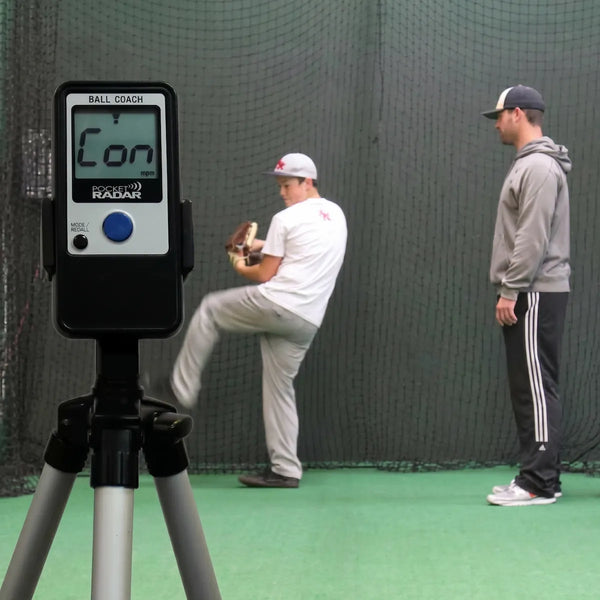
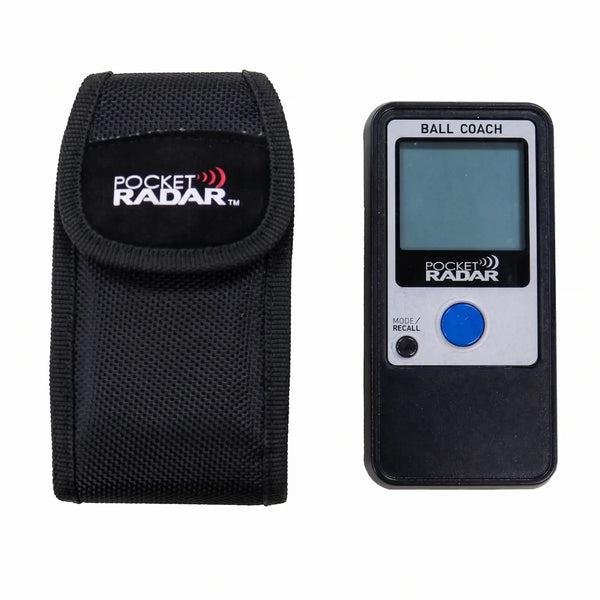
Velocity work belongs in the offseason and early preseason, layered on top of an arm-care foundation. Weighted-ball work follows a specific ramp up — never a random pickup-and-throw. Post-throw arm care is non-negotiable. Radar the work if you can — see the Measurement collection for radar options — because velocity work you don't measure is velocity work you can't program.
Weighted balls can be safe or unsafe depending on how they're used. The stress isn't in the ball weight — it's in the volume, effort, and programming. Well-programmed weighted-ball work with progressive loading and adequate rest has an excellent safety record. Randomly throwing a heavy ball as hard as possible without a plan is where injuries happen. If you're not sure, start with the LaCorte Velocity & Arm Care Program or call us at (936) 295-4459.
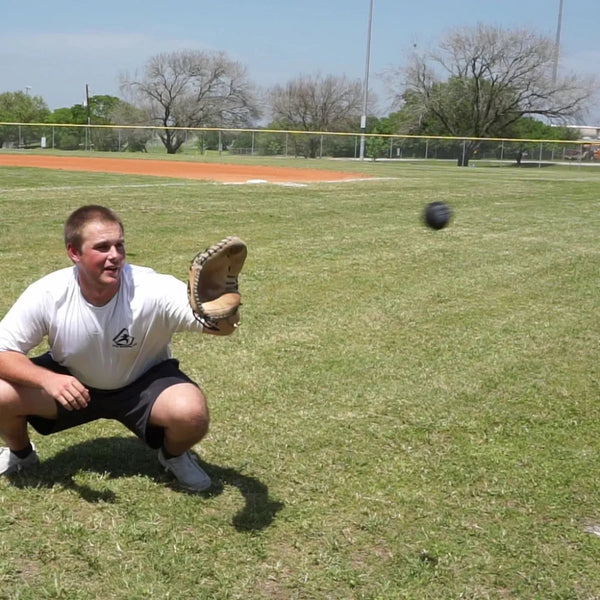
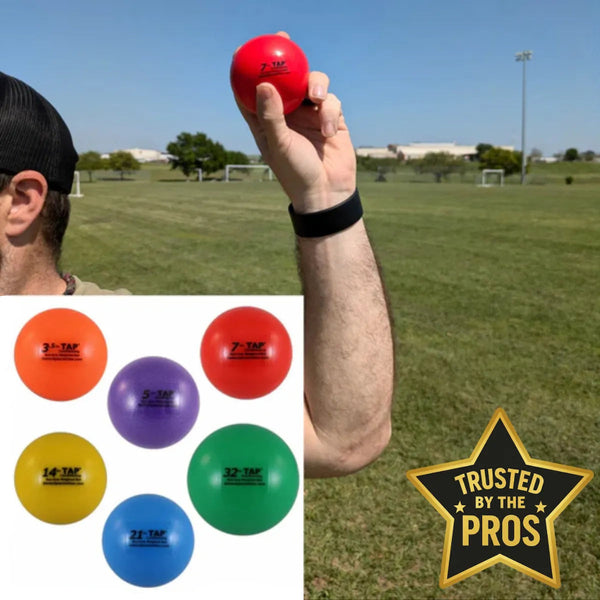
When programmed correctly. Heavier plyometric balls (14 oz to 32 oz) help develop arm strength and refine the throwing pattern. Lighter balls help develop arm speed and overspeed reps. A serious velocity program uses both. Using only one is why plateaus happen.
The TAP® Baseball Training Sock works by overloading the deceleration phase of the throwing motion. When the athlete throws, the sock catches the ball at release. This sudden catch forces the arm into distraction—briefly pulling the joint outward—which triggers an immediate, involuntary contraction of the stabilizing muscles around the shoulder.
Because this contraction happens at an extremely high rate of speed, it forces the shoulder musculature to work eccentrically to decelerate the arm. Since velocity is heavily limited by the body's ability to safely slow down the arm, building this high-speed eccentric strength and structural support directly raises the ceiling for overall throwing velocity.
Realistic timelines: 6–12 weeks of consistent velocity work on top of an arm-care base to see the first measurable gains, and 6–12 months of layered offseasons to see substantial ones. Consistency and measurement over months beat aggressive short programs every time.