
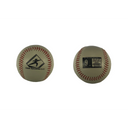
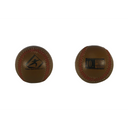
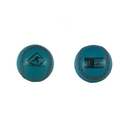
TAP® भारित बेसबॉल
$8.35
Ships from Huntsville, TX
In Stock
60-day limited warranty
Questions? 936-295-4459
Ordering for a team or facility?
Get volume pricing and help choosing the right tools for your players.
Ask me anything about this product
Sizing · use cases · technique · shipping — instant answers
Ask about TAP® भारित बेसबॉल — how to use it, what athletes it fits, sizing, or how it compares to other tools we make. Answers are focused on this product.
Innovating since 2003
Family-owned, Huntsville TX
Talk to the team
Real specialists, not a call center
Made for daily program use
Designed for continuous reps, every day, every season
100+ implements, organized by goal
Arm care, velocity, strength, and recovery
About This Product
Synthetic-leather weighted baseballs in 3–12 oz, built for planned weighted-ball throwing work under qualified supervision.
The TAP® Synthetic Leather Weighted Baseball lineup gives pitchers, position players, and coaches individual weighted baseball options from 3 oz through 12 oz. A durable synthetic-leather cover is designed to reduce moisture-related weight variation, while color-coded weights make it easier to identify the selected ball in a supervised training setting.
- 3–12 oz, One-Ounce Increments — Ten individual weight options allow a coach to choose the ball that fits a planned task, athlete, and workload context.
- Synthetic-Leather Cover — The synthetic cover is designed to help limit moisture-related weight changes that can occur with traditional leather baseballs.
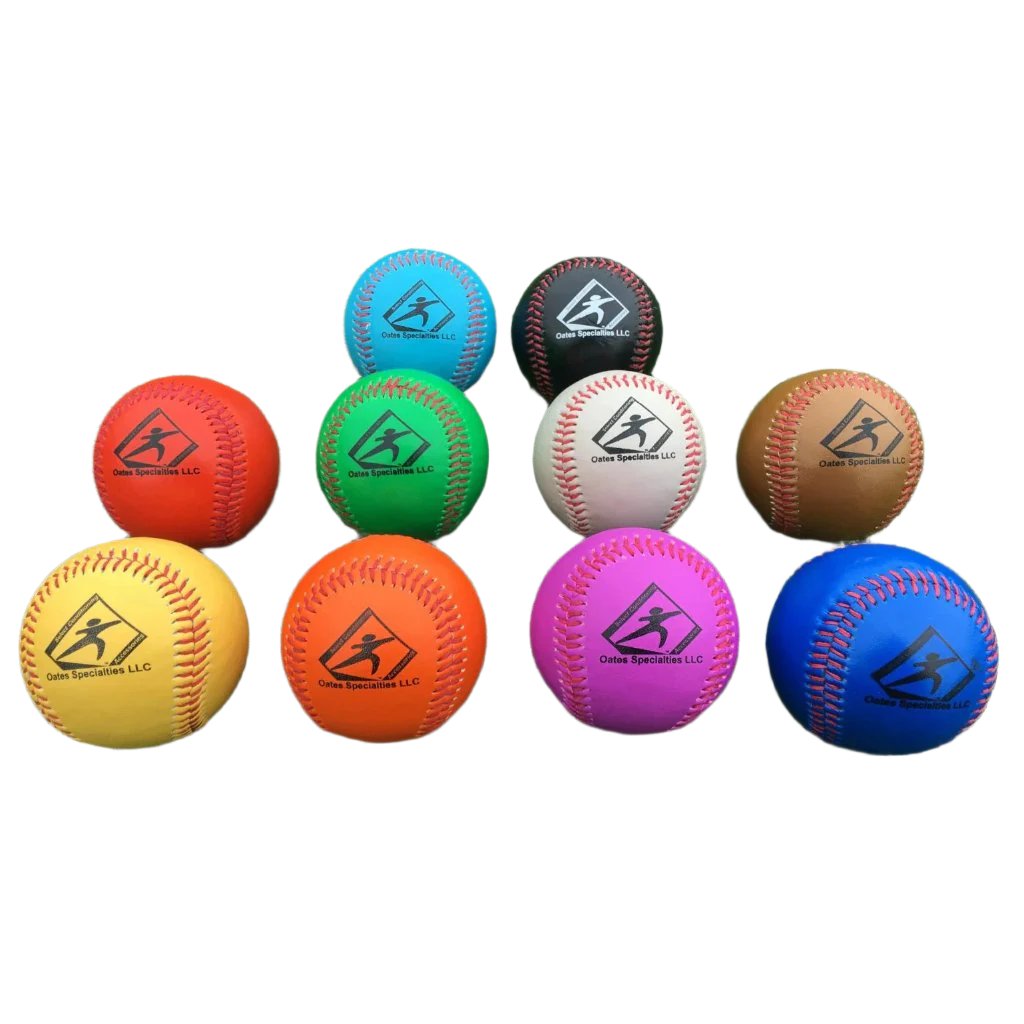
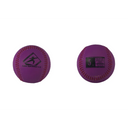
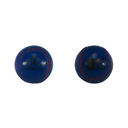
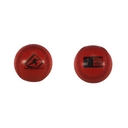
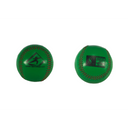
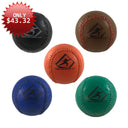
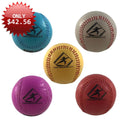
- Color-Coded Identification — Each weight has a distinct cover color for quick visual selection during organized training.
- Individual and Set Options — Available individually, as an odd-weight set, an even-weight set, or a complete 3–12 oz set.
- Coach-Directed Throwing Use — Weighted baseballs belong within a supervised plan; the ball, drill, intent, throwing position, distance, and volume depend on the athlete and the program.
What Is It?
The TAP® Synthetic Leather Weighted Baseball is a baseball-shaped training implement available in weights from 3 oz through 12 oz. The lineup is intended for planned weighted baseball throwing applications where a coach wants discrete one-ounce choices and a synthetic cover designed to preserve a more consistent target weight through storage and use.
The 3–12 oz lineup spans multiple training contexts. The 4–7 oz portion includes the range examined in available mound-biomechanics research; the heavier 8–12 oz options sit outside that specific research range and should be treated as distinct, higher-weight applications requiring their own purpose, setup, supervision, and workload decisions.
Construction and Lineup Context
Three features that shape how this weighted baseball lineup fits a supervised plan
One-Ounce Weight Steps
The 3–12 oz lineup provides ten discrete choices. Ball weight alone does not prescribe the work; the athlete, purpose, throwing position, distance, intent, total volume, and response determine the decision.
Synthetic-Leather Consistency
Leather can absorb ambient moisture, which can affect a baseball’s mass. The synthetic cover is intended to help preserve a more consistent training weight from one session to the next.
4–7 oz Research Context
The 4–7 oz portion is the range directly examined in available mound-biomechanics research. Those findings are specific to the studied conditions and do not automatically extend to the 3 oz ball, 8–12 oz balls, every drill, or a full training block.
Research and Practitioner Context
A Tool Within a Larger Plan
Weighted-ball training has produced velocity gains in many historical studies, but the mechanism has not been confirmed and no product or protocol can promise a specific result for an individual athlete. The best-supported response is individualized use: manage maturity, readiness, drill design, total throwing volume, recovery, and the athlete’s response.
For the 4–7 oz portion of this lineup, available mound-biomechanics research found that body positions changed little across the tested weights and measured kinetic values declined as ball weight increased from 5 to 7 oz. Those are acute findings relative to hard throws with a regulation baseball—not a universal safety clearance, a full-program result, or a claim about weights outside that range.
Experienced practitioners may use higher-weight balls in selected constrained tasks. That is practitioner application, not a universal progression: balls above 7 oz require a clear purpose, a controlled setup, close supervision, and honest accounting of all throwing work.
Read: Weighted Baseball Training — What the Research Actually Shows
Read: The 4-to-7 Ounce Range
3–12 oz
Ten one-ounce weight options
10 Weights
Available individually and in three set configurations
Synthetic Leather
Designed to help maintain a consistent target weight
Video Library
See TAP® Weighted Baseballs in Context
Click any thumbnail to play the video. Detailed verified chapter guides will be added as transcripts are finalized.
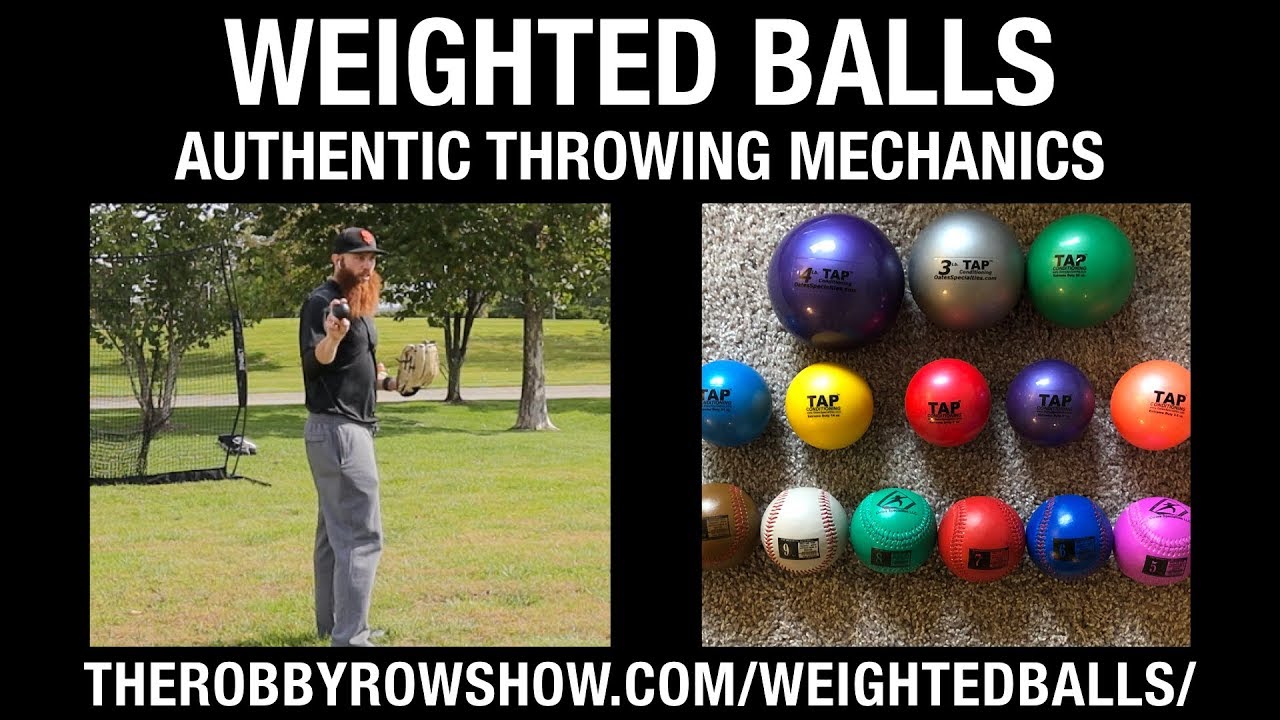
2019
Weighted Baseball Routine — Robby Rowland
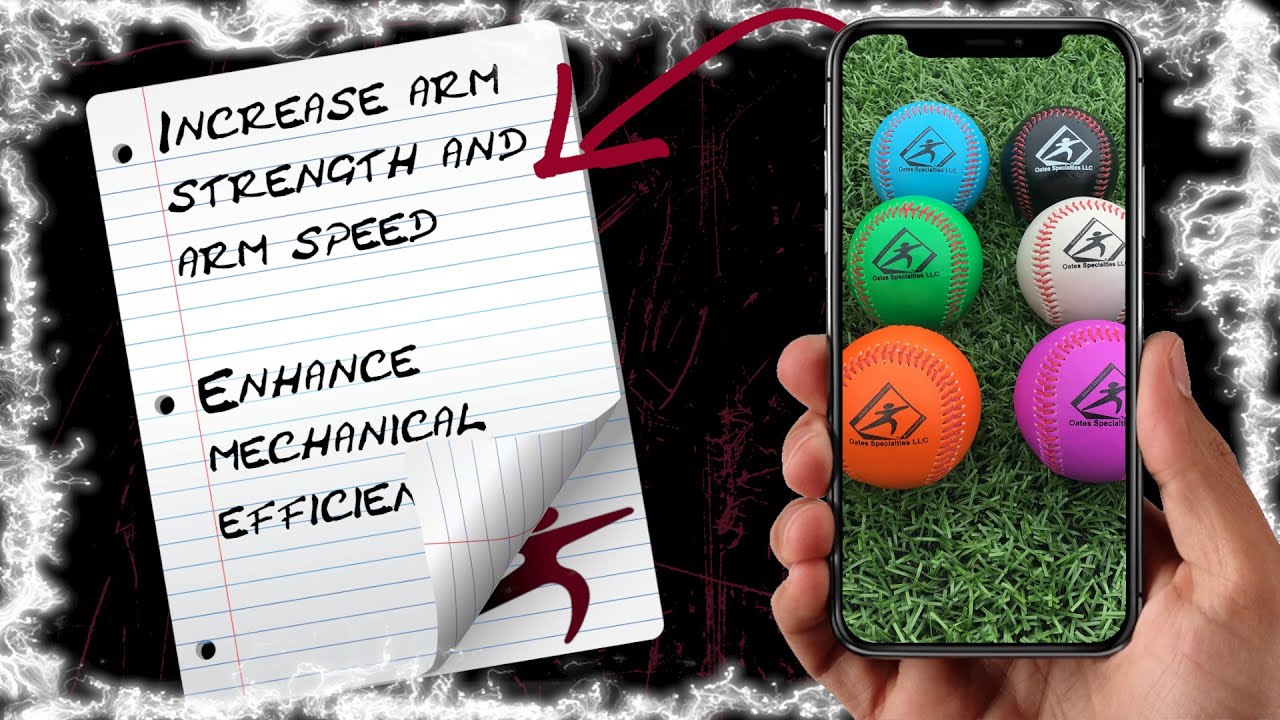
2022
TAP™ Weighted Baseball | Product Overview
Chapter Guide — 6 Timestamps
| Introduction to TAP® Weighted Baseballs and weighted baseball training. | |
| Overview of the available individual weights and one-ounce progression. | |
| Synthetic-leather cover and weight-consistency discussion. | |
| Color-coded ball identification and set configurations. | |
| Product-use context and training considerations. | |
| Closing product information. |
2017
TAP™ Max-Grip Weighted Ball and Weighted Baseball
Product Details
How to Use It
Planned weighted baseball throwing: Use these balls only as part of a supervised plan with a defined task, intended effort, suitable throwing position, distance, target or partner setup, and total throw count.
4–7 oz context: The 4–7 oz portion is the range directly examined in available mound-biomechanics research. That research does not prescribe a universal program and does not automatically apply to the 3 oz ball, the 8–12 oz balls, running approaches, long-distance work, every surface, or an entire season.
Higher-weight context: Experienced practitioners may use heavier weighted baseballs in selected, constrained applications. The appropriate ball, task, distance, intent, throw count, and progression depend on the athlete, current workload, available supervision, and the coach’s objective. Higher weight is not an automatic next step.
Workload context: Every weighted-ball throw is still throwing work. Count it within the athlete’s total workload, including games, practices, bullpens, long toss, and other teams. Stop for pain, altered throwing, loss of control, or unusual discomfort.
Weight Variants and Identification
| Weight | Cover Color | Lineup Context |
|---|---|---|
| 3 oz | Yellow | Lightest lineup option; outside the 4–7 oz mound-biomechanics range |
| 4 oz | Orange | Within the 4–7 oz mound-biomechanics range |
| 5 oz | Fuchsia | Near regulation-ball reference weight; within the 4–7 oz range |
| 6 oz | Blue | Within the 4–7 oz mound-biomechanics range |
| 7 oz | Red | Upper end of the 4–7 oz mound-biomechanics range |
| 8 oz | Green | Higher-weight option outside the 4–7 oz evidence range |
| 9 oz | White | Higher-weight option outside the 4–7 oz evidence range |
| 10 oz | Brown | Higher-weight option outside the 4–7 oz evidence range |
| 11 oz | Sky Blue | Higher-weight option outside the 4–7 oz evidence range |
| 12 oz | Black | Highest-weight lineup option; outside the 4–7 oz evidence range |
Set 1 — Odd weights: 3, 5, 7, 9, and 11 oz. Set 2 — Even weights: 4, 6, 8, 10, and 12 oz. Complete Set: all ten weights, 3–12 oz.
There is no universal starting weight or progression. Select the ball according to the athlete, the purpose of the task, current throwing exposure, environment, supervision, and the coach’s ability to observe the work.
Who This Is For
- Pitchers and position players using supervised weighted baseball throwing work as one component of a broader training plan.
- High-school, college, and professional programs that need one-ounce weight variation and quick color-coded identification.
- Private training facilities and skill coaches who can define the task, manage the workload, and observe the athlete’s response.
- Families and athletes looking for a weighted baseball training implement that belongs in a qualified plan—not a stand-alone velocity program.
We are not coaches. We do not provide coaching.
What This Implement Does NOT Do
- It does not independently fix mechanics, guarantee velocity gains, build arm strength, establish a universal protocol, or prevent injury.
- It does not replace regular throwing, full-body strength training, recovery, assessment, or qualified coaching.
- It does not make any drill automatically low stress. Ball weight, intent, distance, throwing position, throw count, total workload, recovery, and the athlete’s response all matter.
- It is not intended for hard-surface throws, rebounding drills, or hitting drills. Use TAP® Max-Grip Weighted Balls for suitable controlled wall, target, net, screen, and batting applications.
- It is not a medical, therapeutic, or rehabilitation device and should not be used or marketed as a way to diagnose, treat, or prevent injury.
Technical Specs
| Product Family | TAP® Synthetic Leather Weighted Baseballs |
|---|---|
| Primary Use | Planned, supervised weighted baseball throwing work |
| Construction | Baseball-shaped weighted training ball with synthetic-leather cover |
| Weight Range | 3 oz through 12 oz in one-ounce increments |
| Identification | Color coded by weight |
| Set Options | Odd-weight set (3, 5, 7, 9, 11 oz); even-weight set (4, 6, 8, 10, 12 oz); complete 3–12 oz set |
| Environment | Suitable supervised throwing environments with clear space, appropriate target or partner setup, and adequate inspection of the training area |
Research Resources
Weighted Baseball Training: What the Research Actually Shows reviews the historical velocity findings, the unresolved mechanism, the limitations of the evidence, workload context, and practitioner perspectives.
The 4-to-7 Ounce Range explains the specific evidence behind the 4–7 oz range, including its boundaries and why findings from that range should not be generalized to all weighted baseballs or every drill.
These resources are educational context—not individualized programming or medical advice.
Safety and Youth Guardrails
TAP® Synthetic Leather Weighted Baseballs are designed for athletes 13 and older and should be used under qualified adult or coach supervision. Match the ball, task, intended effort, throwing position, distance, volume, space, and total workload to the athlete. Stop immediately for sharp or unusual discomfort, altered throwing, loss of control, or symptoms that do not settle as expected.
- Not a toy: A supervised training implement, not a play item.
- Not for hard surfaces or hitting: Do not throw against hard surfaces, use for rebounding drills, or use for hitting drills.
- Do not play catch with weighted baseballs: Use a coach-directed throwing setup with suitable spacing and retrieval procedures.
- Inspect the environment: Check the ball, target or partner setup, surrounding area, and available clearance before beginning.
- Track all throws: Include weighted-ball throws in the athlete’s total throwing workload across teams and settings.
- Not a rehabilitation device: Not a substitute for medical care, physical therapy, or return-to-throwing guidance.
FAQs
Why use a synthetic-leather cover instead of traditional leather?
Leather can absorb ambient moisture, which can affect a baseball’s mass. The synthetic cover is designed to help maintain a more consistent target weight through storage and repeated use. It does not remove the need to inspect the ball and use it within an appropriate supervised plan.
Which weight should I use?
There is no universal starting weight or progression. A qualified coach should choose the ball based on the athlete, drill purpose, throwing position, distance, intended effort, current throwing workload, environment, and ability to control the task. Higher weights are not an automatic next step.
What does the research say about the 4–7 oz range?
Available mound-biomechanics research examined 4-, 5-, 6-, and 7-ounce balls in high-school and collegiate pitchers. In that specific study context, body positions changed little across the range and measured kinetic values declined as the ball weight increased from 5 to 7 oz. Those acute findings do not establish safety for every athlete, drill, program, or season, and they do not automatically apply outside the 4–7 oz range.
Can I use the 8–12 oz balls the same way as the 4–7 oz balls?
No. Balls above 7 oz sit outside the specific 4–7 oz mound-biomechanics range discussed in our research resources. Experienced practitioners may use higher-weight balls in selected constrained applications, but the task requires its own purpose, setup, supervision, volume, and workload decisions. Higher weight is not a required progression.
Can athletes younger than 13 use these weighted baseballs?
These balls are designed for athletes 13 and older. Younger athletes should not self-prescribe weighted baseball work. Any training decision should be conservative, qualified-adult supervised, and based on the athlete’s maturity, throwing history, symptoms, overall workload, and ability to control the task.
Can I throw these balls against a wall or use them for hitting drills?
No. TAP® Synthetic Leather Weighted Baseballs are not intended for hard-surface throws, rebounding drills, or hitting drills. For suitable controlled wall, target, net, screen, and batting applications, use the TAP® Max-Grip Weighted Ball.
Questions before you buy? Call or Text Our Team at (936) 295-4459
Customer Reviews
What Customers Are Saying
Loading reviews…
No reviews yet for this product.
Be the first to review