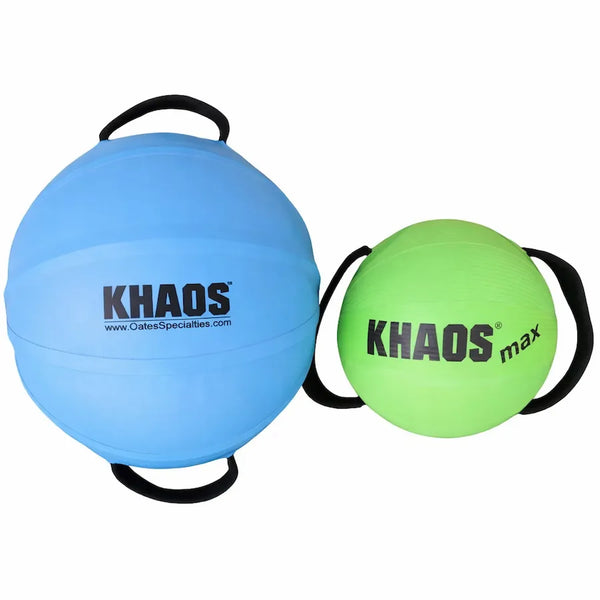
KHAOS® Water Ball – Unstable Water Resistance for Core Strength, Rotational Power & Stability
From $99.95
In Stock
Vous possédez un compte ?
Connectez-vous pour payer plus vite.

26 products
Hey Oates — AI Training Assistant
Ask Hey Oates — trained on our catalog and training library.
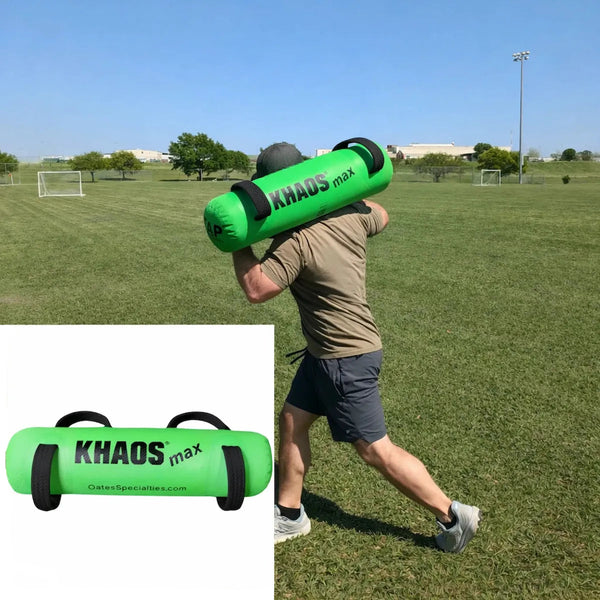
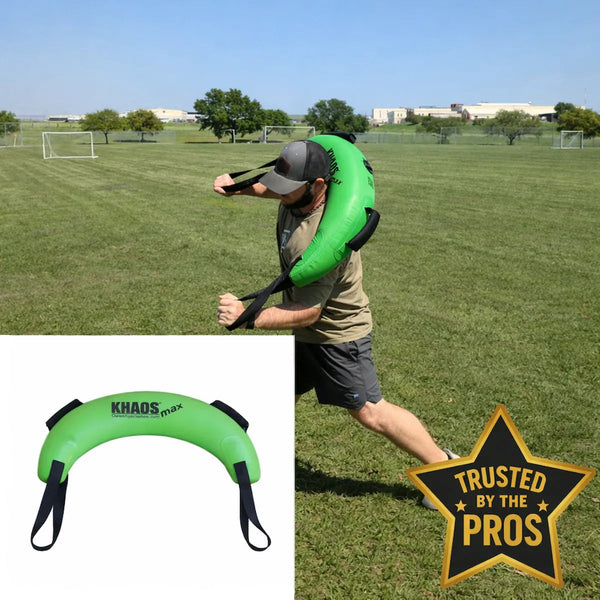
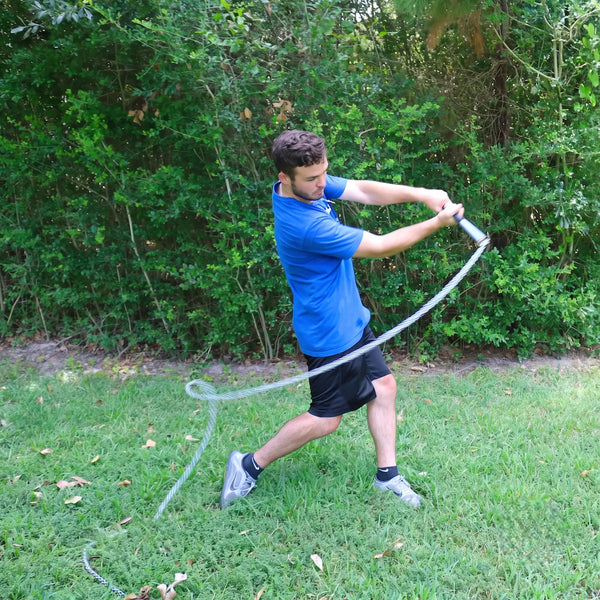
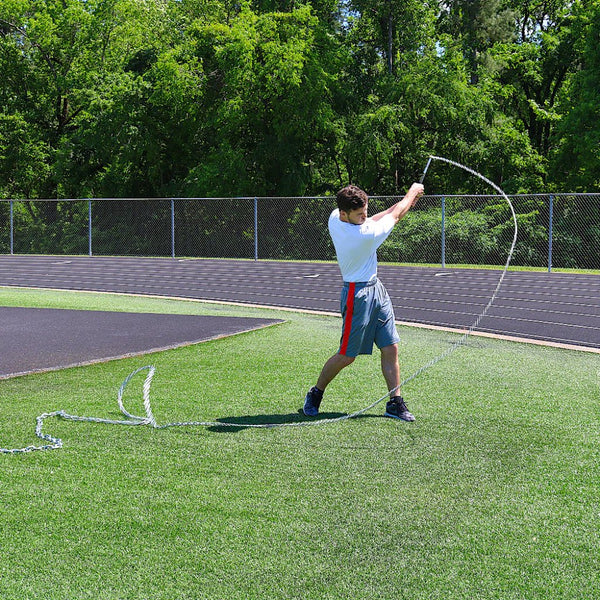
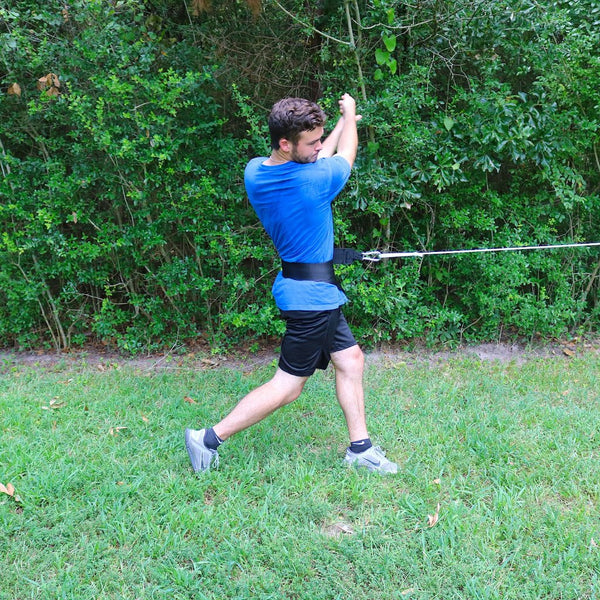
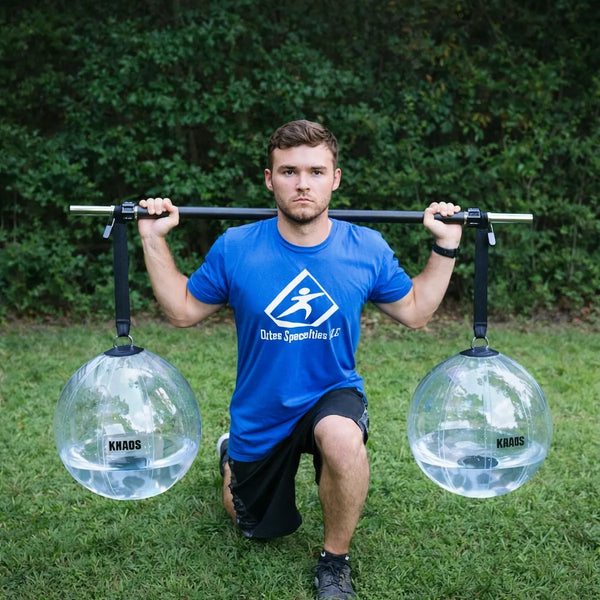
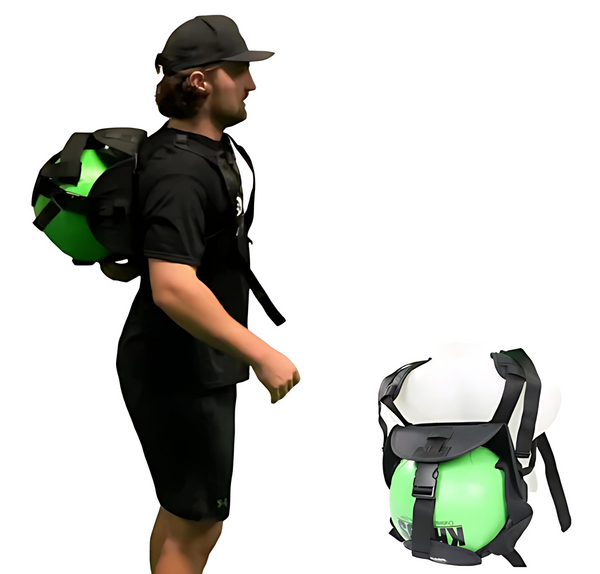
The core is not the six‑pack. For a pitcher, hitter, quarterback, or golfer, the core is the entire trunk from ribs to hips — the segment that has to transmit force generated in the legs into the arm, bat, or club. If the core leaks that force, it does not matter how strong the legs are or how fast the arm is; the output at the end of the chain drops.
Three things a rotational core has to do:
A good core program trains all three. Most athletes only train one.
Signature tools in this collection
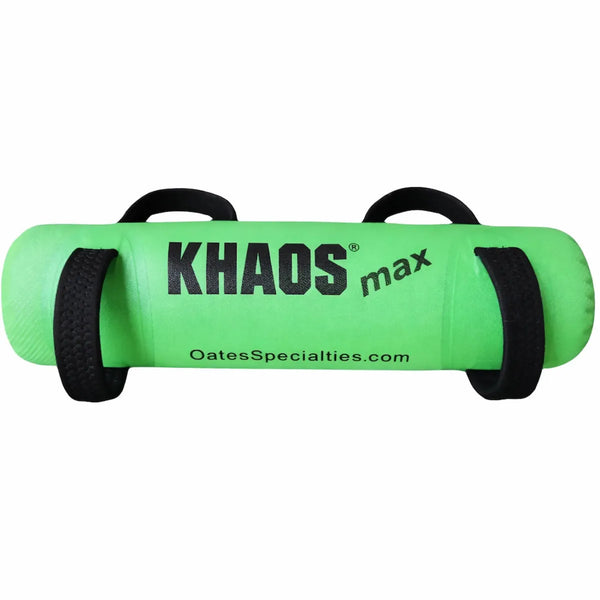
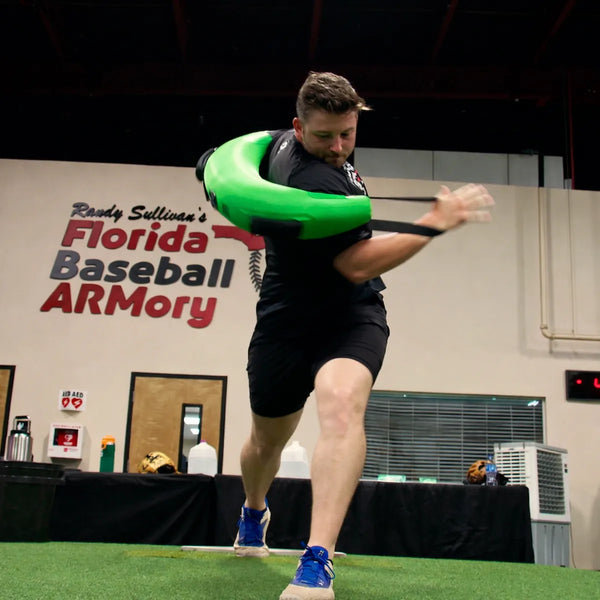
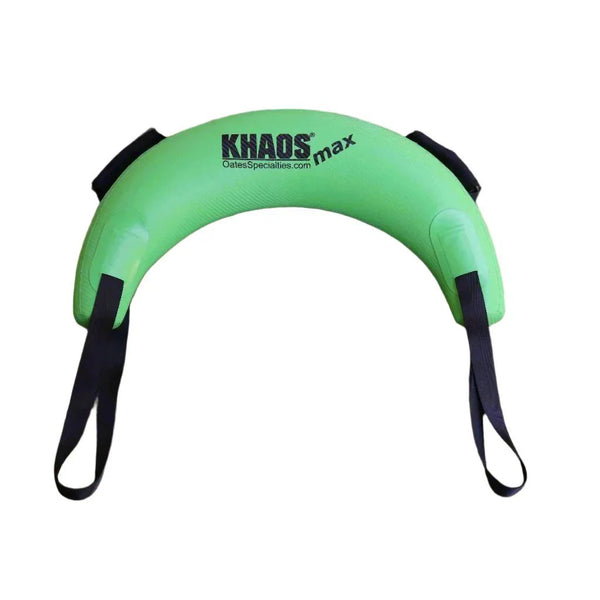
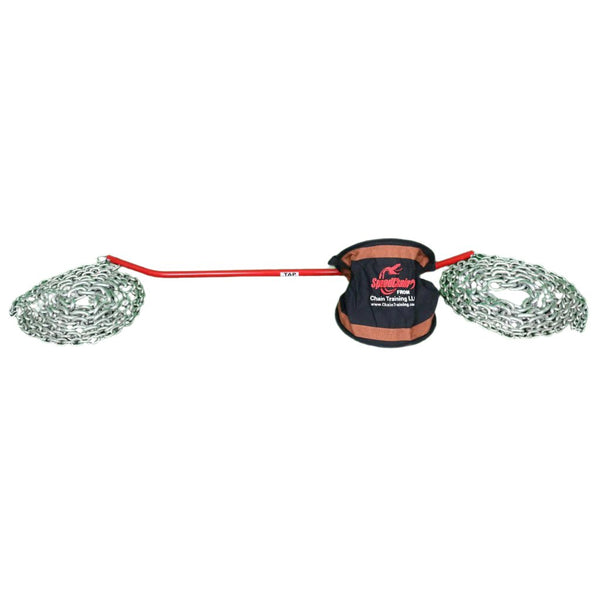
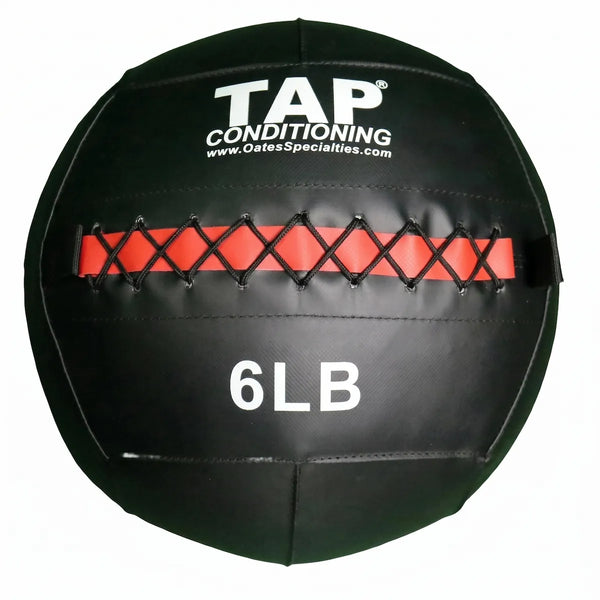
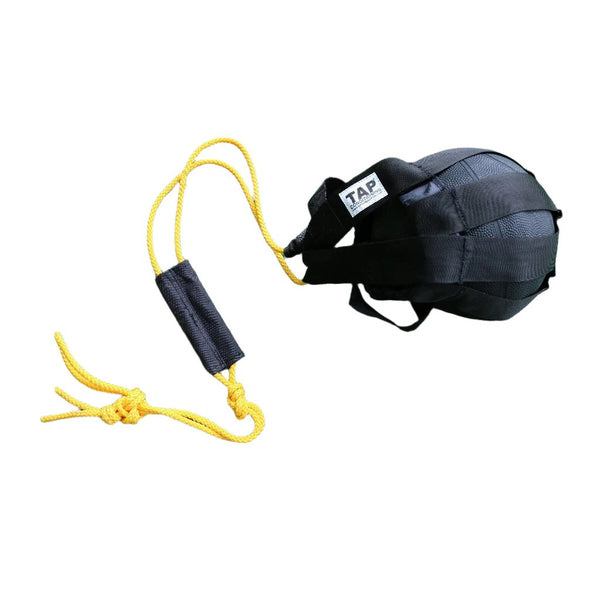
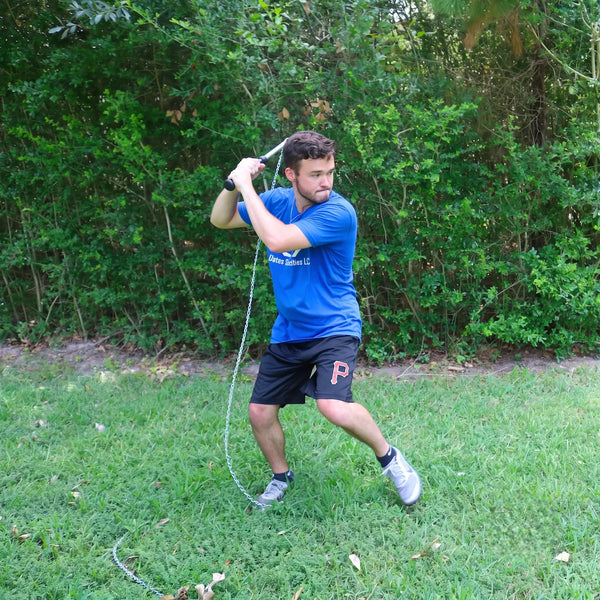
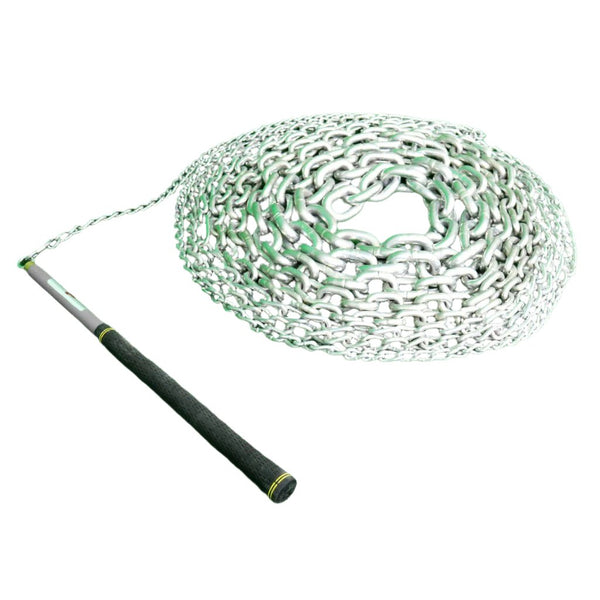
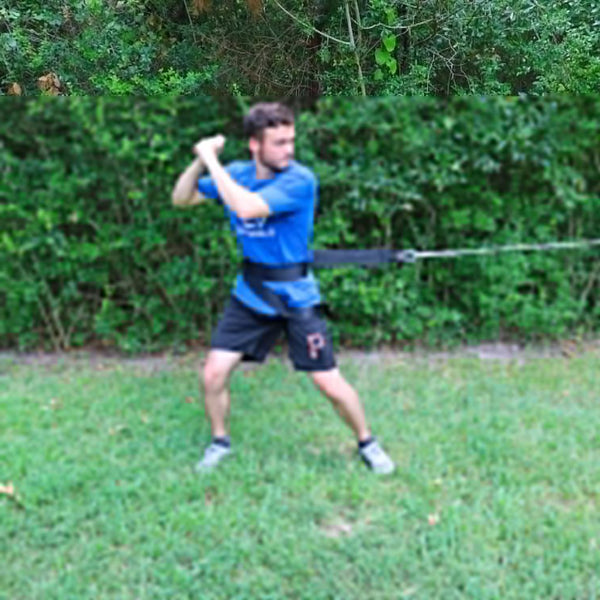
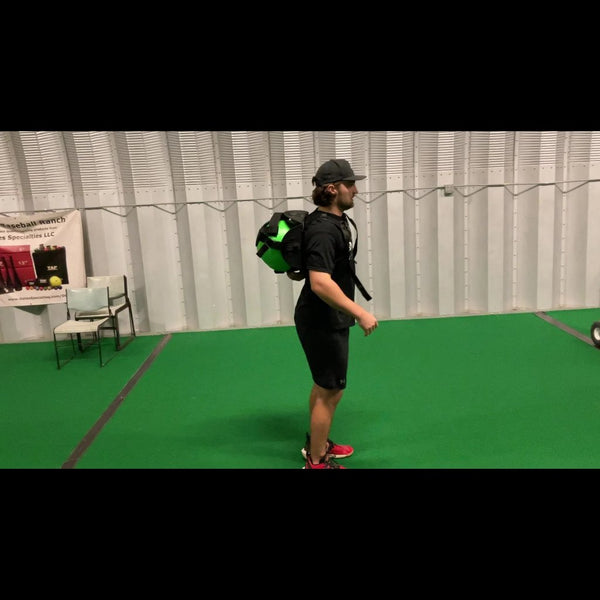
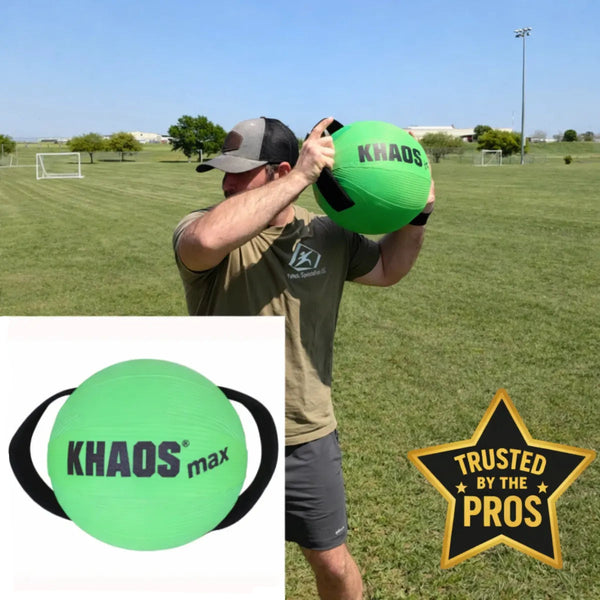
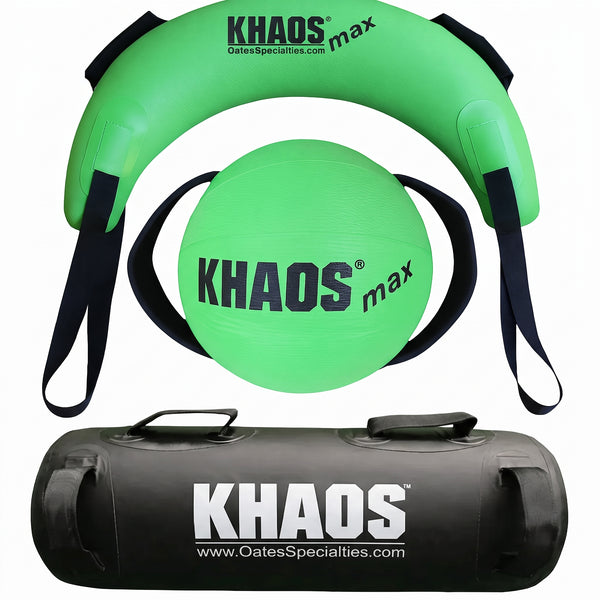
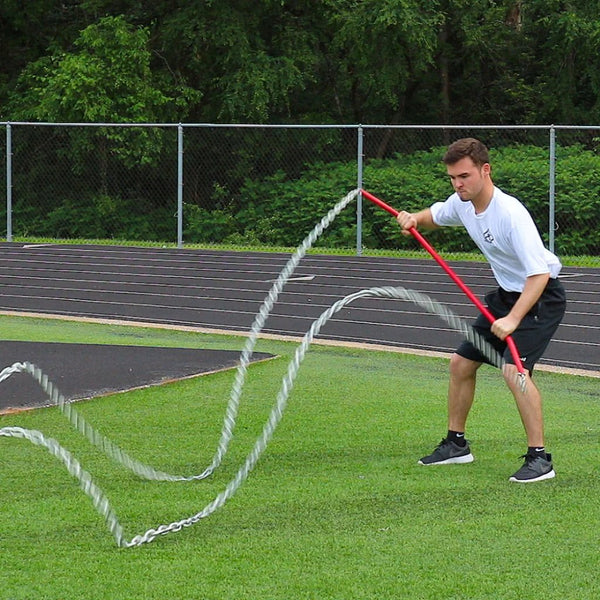
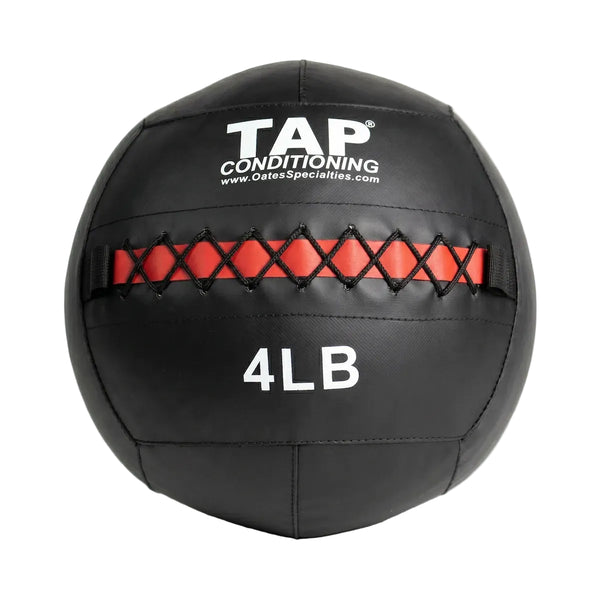
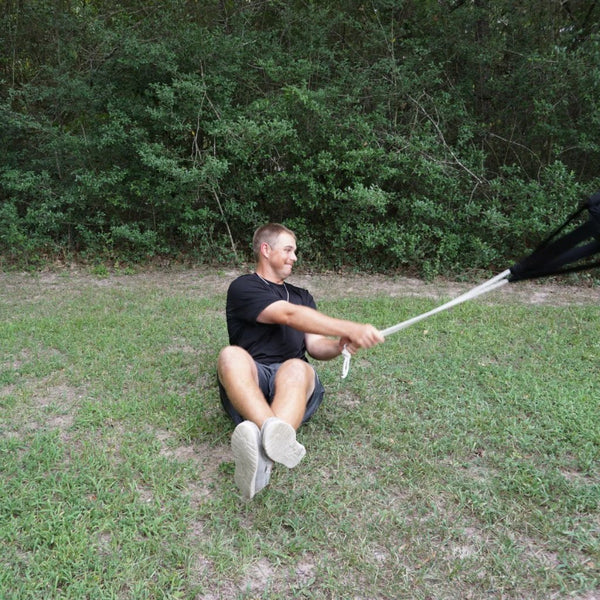
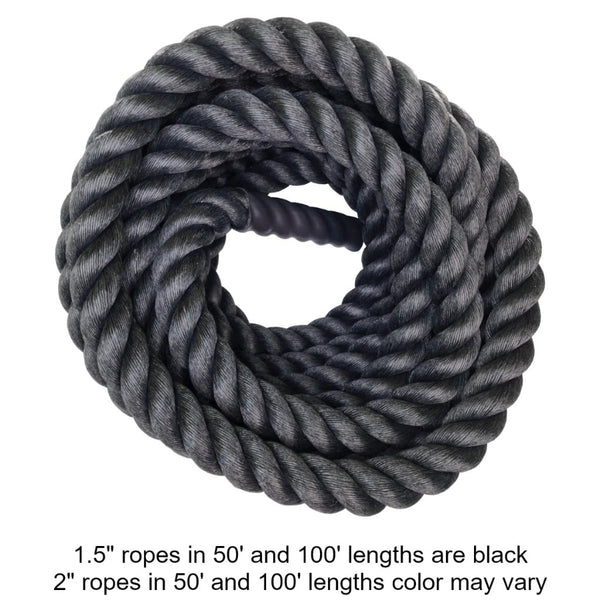
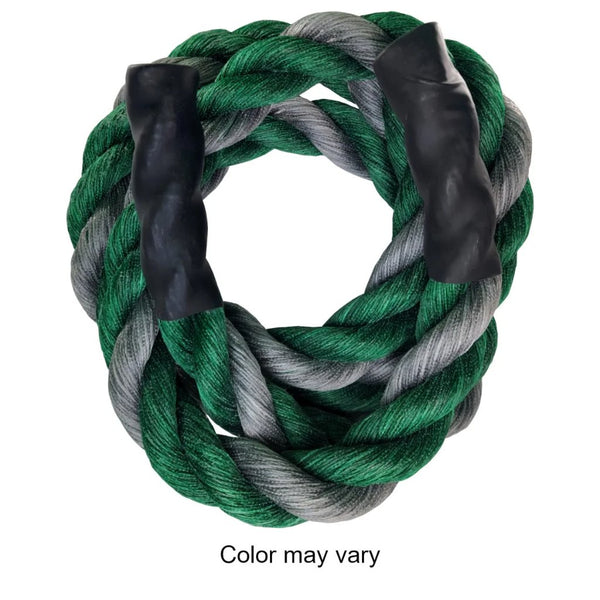
The KHAOS® Water Ball, Waterboy, and Bulgarian Water Bag are the flagship rotational‑and‑stability trainers. Because water sloshes unpredictably, the trunk has to react to a changing internal load — that is what builds the reactive core control a game demands. The SpeedChain® TorsoBurner® is the rotational‑power piece, providing variable resistance timed to the swing or throw. Medicine‑ball options like the TAP® Double Handle Medicine Ball, TAP® Soft Medicine Ball, and the Hammer Net handle ballistic slam and chop work. Ropes and stability trainers round out work‑capacity and postural‑control training.
Programming the collection
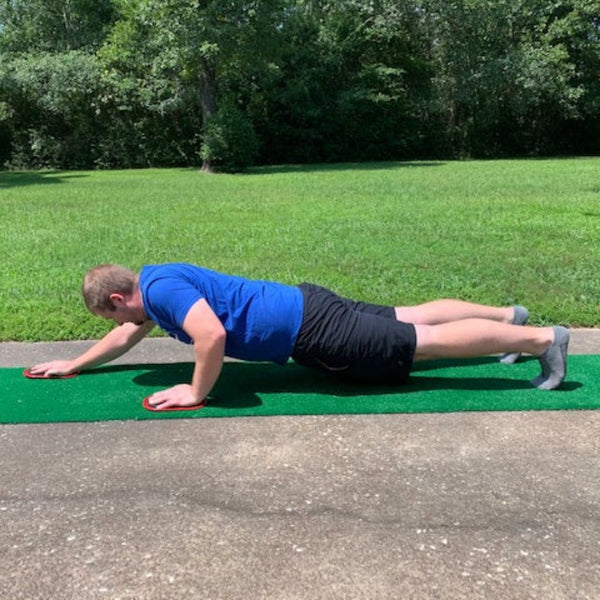
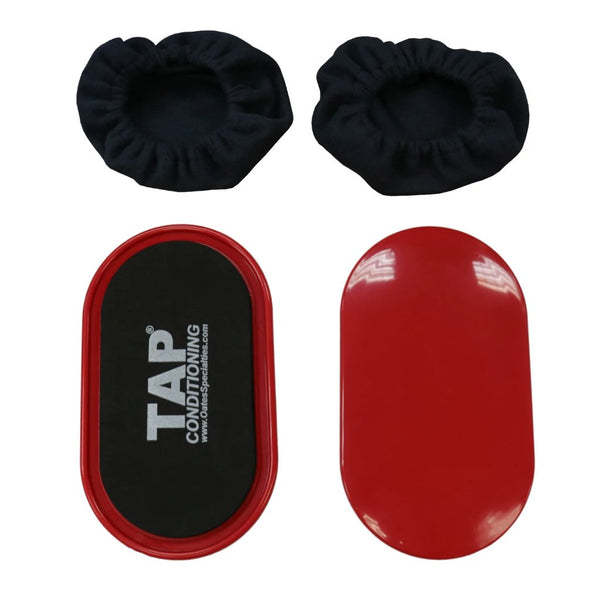
A typical rotational‑athlete core block includes: one anti‑rotation drill (plank progression on gliders or bands), one rotational‑power drill (medicine‑ball throw or SpeedChain® work), one reactive‑stability drill (using a KHAOS® water tool), and one finish‑side deceleration drill (Bulgarian bag or hammer‑net patterns). That mix builds a complete core session in about fifteen minutes, and coaches or parents who want help choosing the right core tools for their sport and level can call or text our team at (936) 295‑4459 to talk through where their athletes are starting and how they move now.
Dumbbells are predictable — the load sits still, so the trunk pre-loads once and holds the pattern. Water inside a KHAOS® tool is unpredictable — it sloshes, shifts, and forces the trunk to make micro-adjustments continuously. That is the exact quality a rotational athlete has to develop, and dumbbells can't produce it.
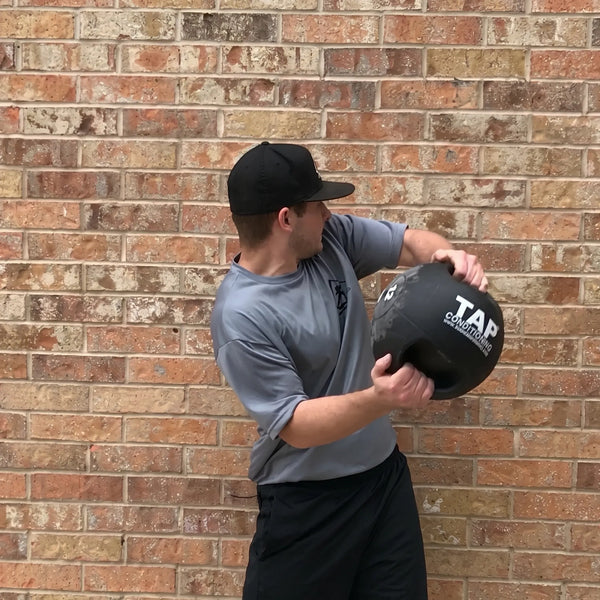
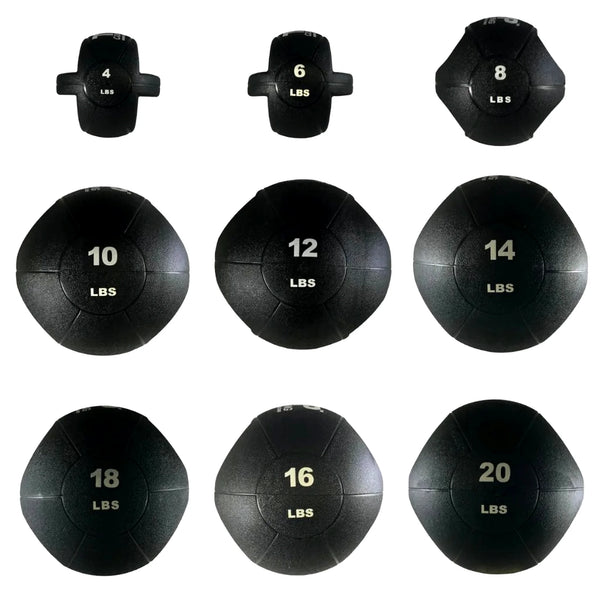
The TAP® Double Handle Medicine Ball is designed to be gripped through rotation so the athlete can drive, resist, and reverse trunk movement with both hands on the ball. The entire loading pattern maps to the same planes and directions found in a swing or a throw without requiring the ball to be thrown or caught. A round medicine ball can do some of this but is more likely to slip during high‑tempo rotational reps. The double‑handle version stays locked in the athlete’s hands so they can move faster and change direction without losing their grip.
Directly, yes. Velocity is a chain output. If the legs and hips are producing 100 units of force and the core only transfers 70 of them, the arm never sees the other 30. Improving trunk force transfer routinely shows up as velocity gains before any change to the arm itself. That's why hitters, pitchers, and quarterbacks all benefit from the same core work.
The KHAOS® Water Ball for reactive stability and rotation, plus a TAP® Double Handle Medicine Ball or Hammer Net for controlled rotational work, is a two‑tool starter kit. Add the SpeedChain® TorsoBurner® when the program is ready for variable‑resistance rotational power. Call or text (936) 295‑4459 for a team quote.