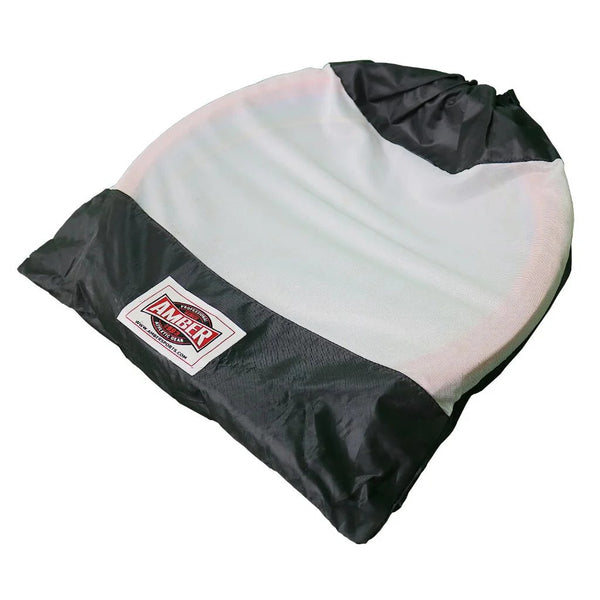
Agility Ring Set – Boost Speed, Balance, and Coordination
$34.95
In Stock

Foot speed, first-step acceleration, and change-of-direction tools that show up on the field.
22 products
Hey Oates — AI Training Assistant
Ask Hey Oates — trained on our catalog and training library.
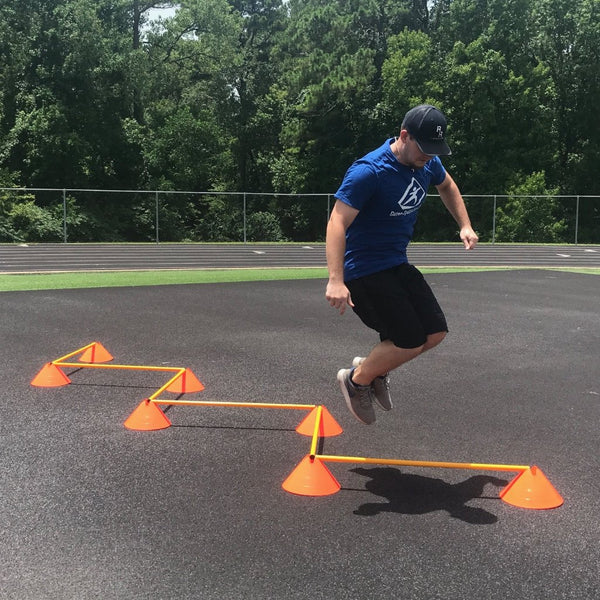
Speed in sport is not just a straight‑line 40. It is the ability to accelerate out of a base, cut into a route, close on a ball, and repeat that output over the course of a game. Baseball speed in particular is short — about ninety feet at a time — and reactive, which changes what the training environment and tools need to look like.
The three components of usable speed:
What’s in this collection
Ladder tools — the Speed & Agility Ladder, Roll Out Speed Ladder, and Indoor Agility Set — are commonly used to develop foot rhythm, coordination, and quickness in short bursts.
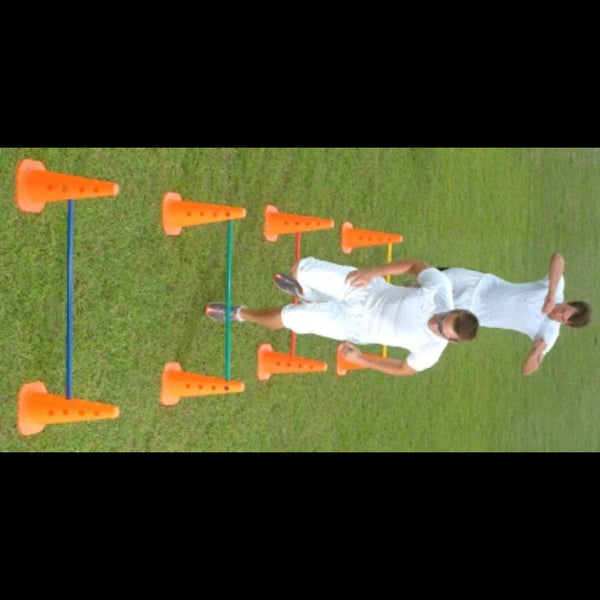
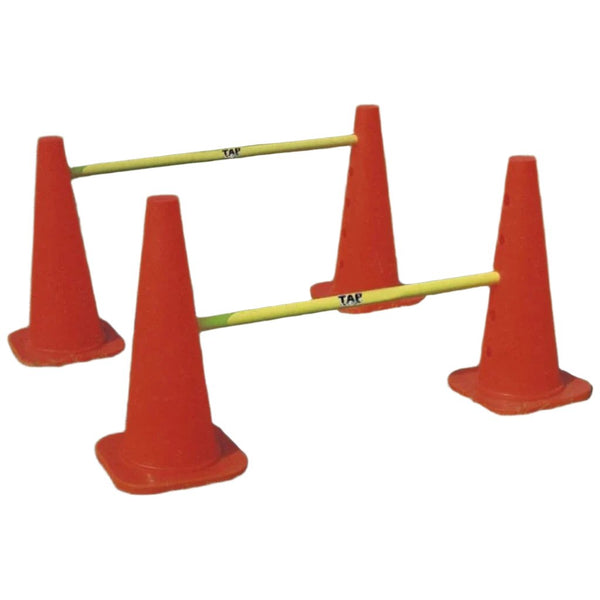
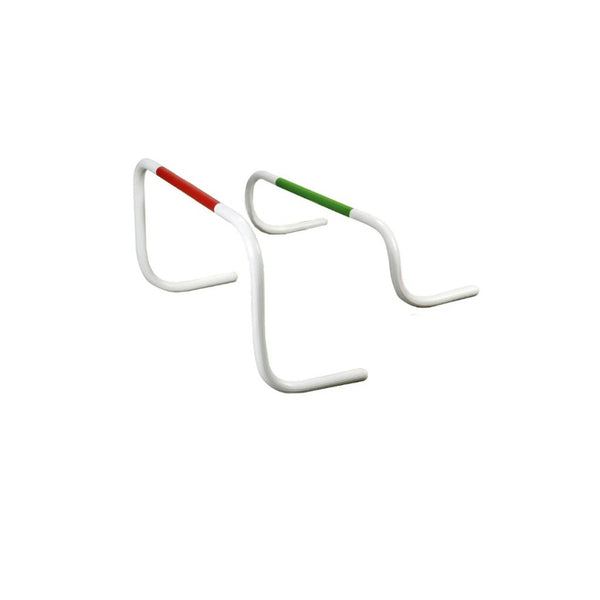
Hurdle pieces — Stacking Hurdles, Mini‑Hurdles, and the Hurdle Cone & Crossbar Set — support work on stride length, hip mobility, and reactive coordination.
The TAP® Hammer Net is a trunk‑speed and reactive‑tempo trainer that many programs lean on for rotational tempo and short‑burst movement.
Rope‑based conditioning tools cover short‑duration ATP‑system work and coordination in controlled bursts rather than long, slow runs.
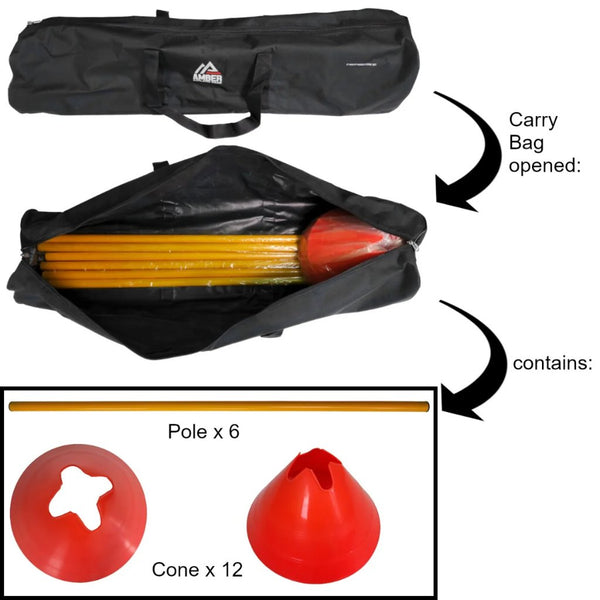
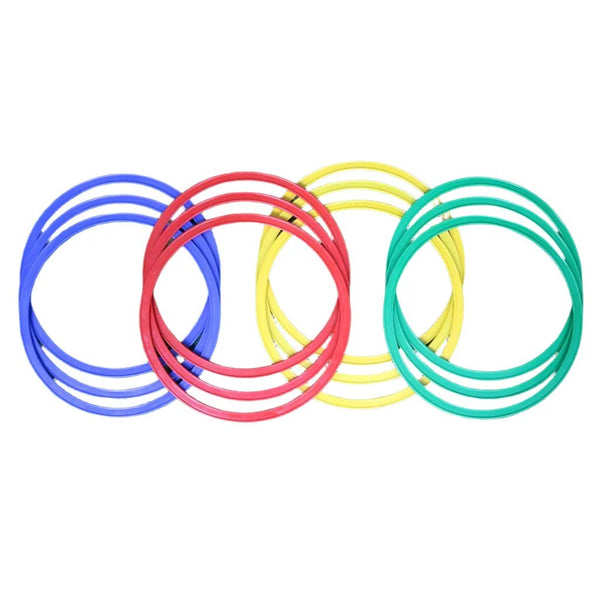
Cones, dot mats, agility rings, and limbo sets round out the change‑of‑direction toolkit, giving coaches simple ways to mark space and build reactive movement grids.
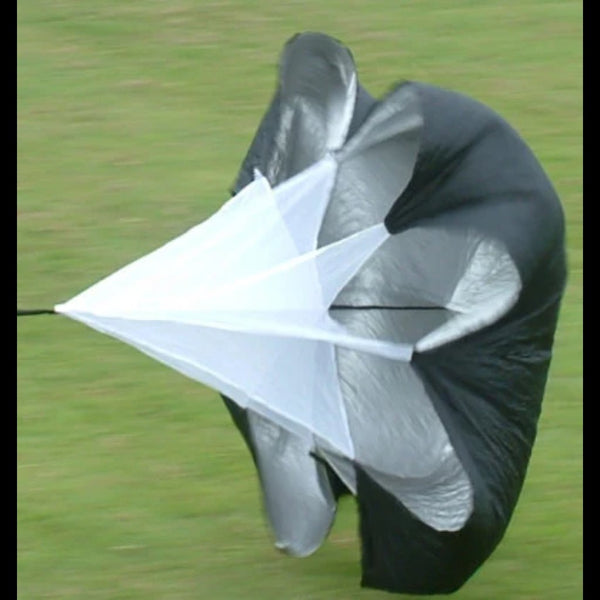
SpeedChain® pieces add variable‑resistance overspeed options that can be integrated into sprint and movement sessions for athletes who already have a base of strength.
How speed actually shows up
Usable speed does not come from simply running more laps. It comes from repeatable, short‑distance, high‑quality reps with enough rest between efforts to keep outputs sharp. Many successful programs keep speed blocks relatively short — often twenty to thirty minutes of total work with most efforts lasting three to five seconds. The tools in this collection are designed to fit inside those kinds of sessions, not replace a complete speed or conditioning plan. Coaches or parents who want help matching speed tools to athlete age, level, and existing training can call or text our team at (936) 295‑4459 to talk through which pieces typically fit different stages — we provide equipment guidance, not individualized speed or sprint instruction.
Speed ladders don't make athletes faster in a straight line — that's a common misconception. What they do is develop rhythm, coordination, and reactive foot patterning, which is what an athlete needs when the game asks them to change direction fast. Used as a movement primer or a warm-up tool, they belong in most programs. Used as the only speed work, they don't.
The TAP® Hammer Net is a corded trunk-speed trainer. The athlete performs slams, chops, and swings against the net's rebound, which forces the trunk to produce and absorb force at high tempo. It's a full-body power and speed tool that fits between med-ball work and full-effort sprint work.
Yes. The Roll Out Speed Ladder tangle-free, the Indoor Agility Set, the Mini-Hurdles, and the Agility Ring Set are all designed for cage or turf setups where space is limited. If you're outfitting a small facility, call or text (936) 295-4459 and we'll put together a footprint-appropriate kit.
Most of the ladder, hurdle, and cone work is appropriate from about age 8 up. Younger athletes benefit from ladder rhythm work and cone drills as a movement primer. Heavier tools like the Hammer Net and heavy ropes are typically 12+ so the athlete can control the load. Age-appropriate collection filters are also available on our category pages.