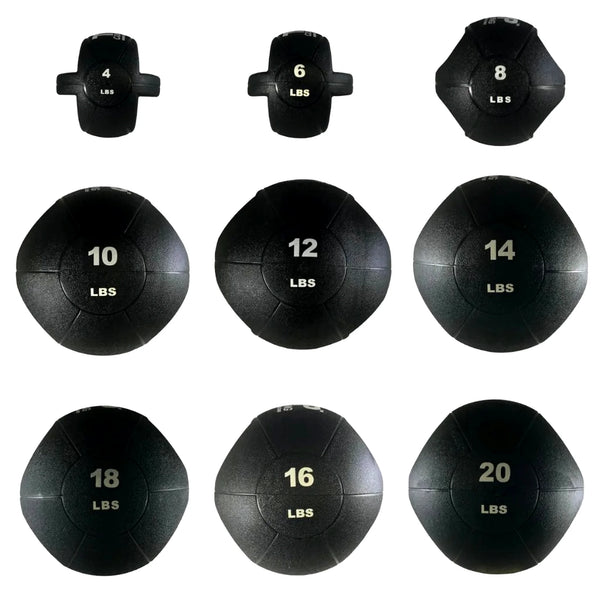
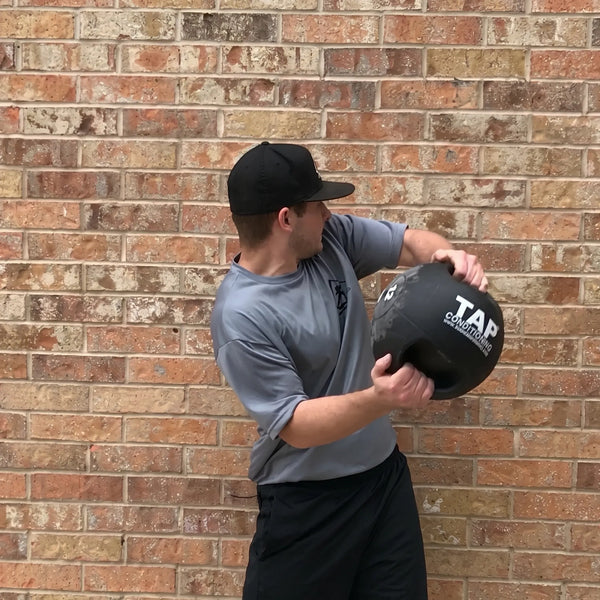
TAP® Double Handle Medicine Ball – Dual‑Grip Rotational Medicine Ball for Explosive Core Power and Game‑Speed Movement
From $39.95
In Stock
¿Tienes una cuenta?
Inicia sesión para finalizar tus compras con mayor rapidez.

10 products
Hey Oates — AI Training Assistant
Ask Hey Oates — trained on our catalog and training library.


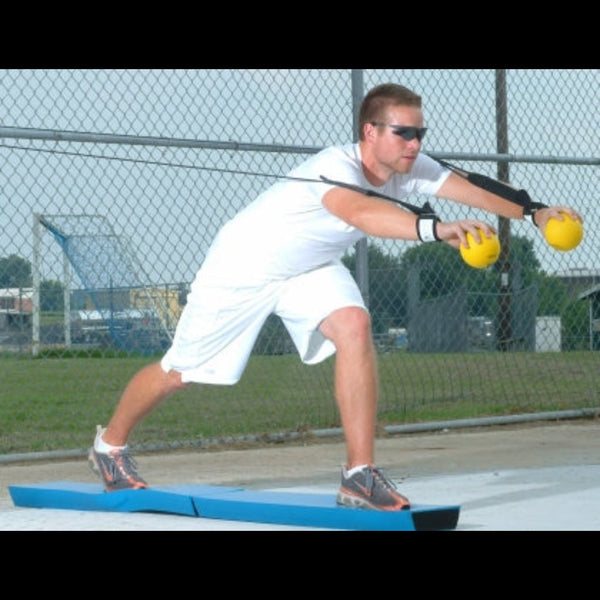
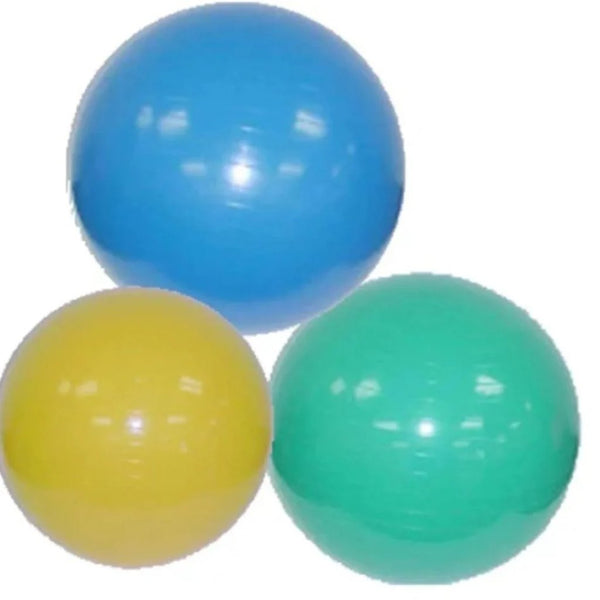
The medicine ball is one of the oldest training tools in sport, and for a rotational athlete it is still one of the most useful. A med ball can be slammed, chopped, caught, and pressed in similar planes and tempos a swing or a pitch demands. Traditional iron work cannot fully match that combination of movement speed and direction.
What medicine balls do that iron doesn’t:
The collection at a glance
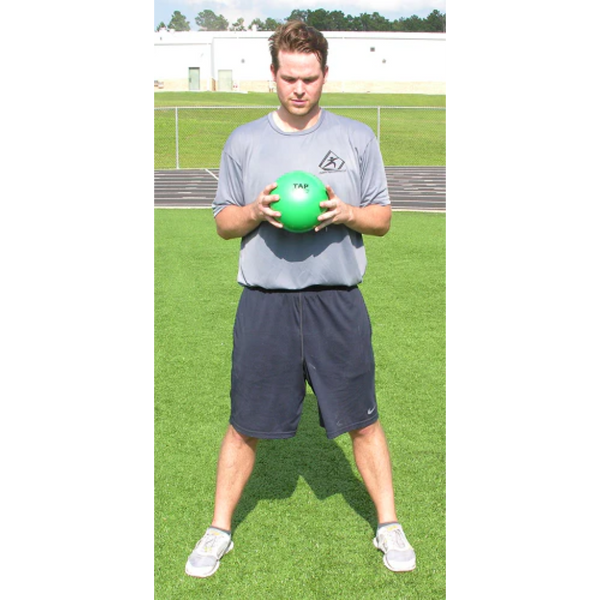
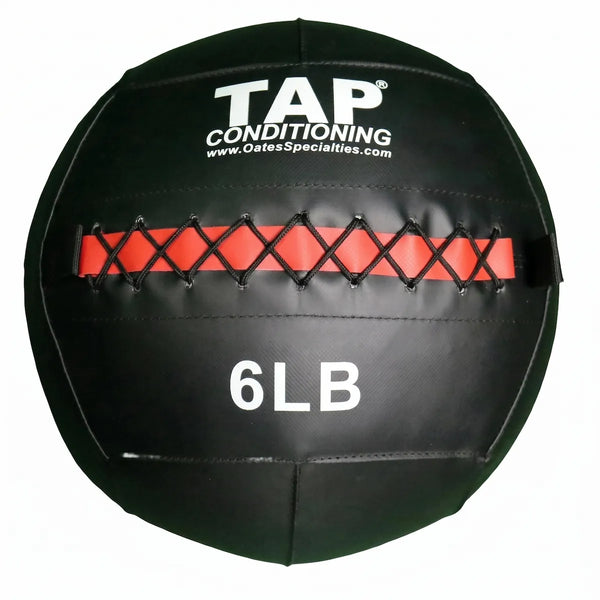
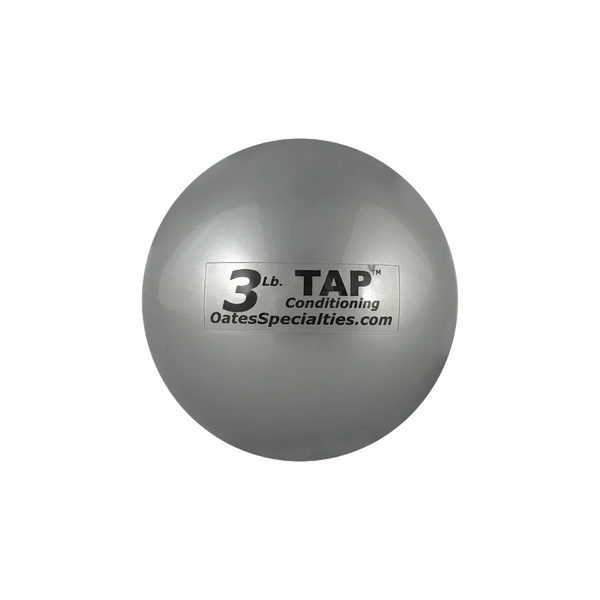
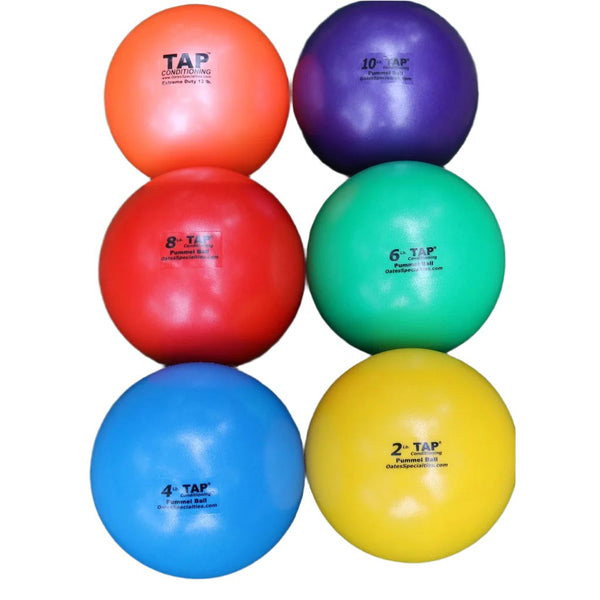
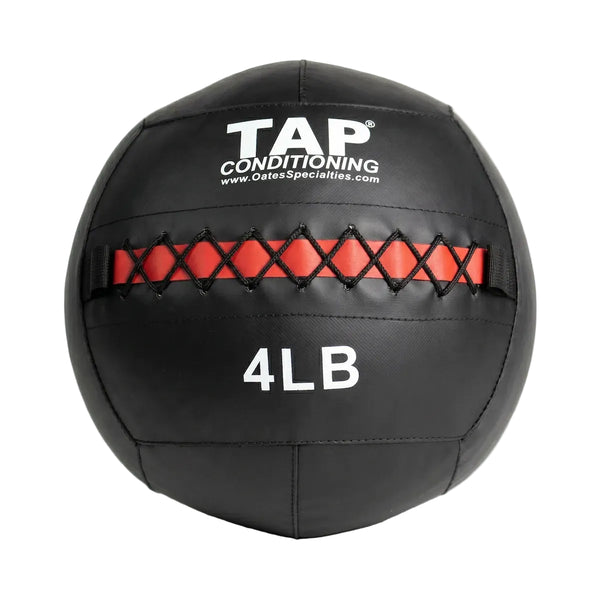
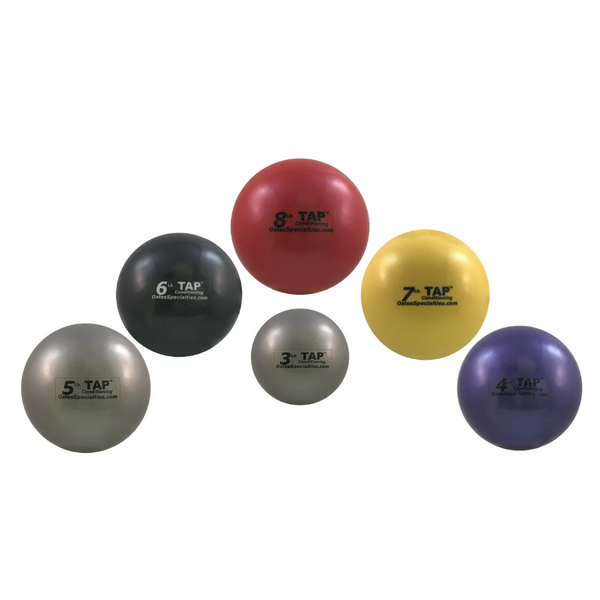
The TAP® Double Handle Medicine Ball is a flagship piece for rotational‑strength and power work — dual grips let the athlete drive and resist trunk rotation at game tempo while keeping a secure hold on the ball. The TAP® Pummel Ball is a sand‑filled slam ball for high‑intent, low‑bounce ballistic exercises. TAP® Mini Medicine Balls handle arm‑specific plyometric work and light rotational loading for younger or developing athletes. The TAP® Soft Medicine Ball is a soft‑shell wall ball for grip, wrist, and rotational power in an indoor‑friendly format. Soft hand weights round out the light‑loading end of the collection for low‑intensity prep and patterning.
Building a med‑ball rotation
A rotational athlete typically uses two to three med‑ball sizes in a session: a lighter ball for high‑tempo speed reps, a mid‑weight ball for power reps, and a heavier slam ball for finishing work. Overhead‑athlete arm‑specific med‑ball work usually stays in the one‑ to five‑pound range, while trunk‑focused work often runs in the four‑ to ten‑pound window. Program‑level bundles receive volume pricing — call or text (936) 295‑4459 to talk through which med‑ball sizes and styles fit your roster, space, and current training plan.
For rotational hitting work, most high-school hitters use 4–8 lb balls — heavy enough to challenge the pattern, light enough to move at swing tempo. The TAP® Double Handle at 6 lb is a common starting point. Younger or smaller athletes should start lighter and progress as swing tempo holds.
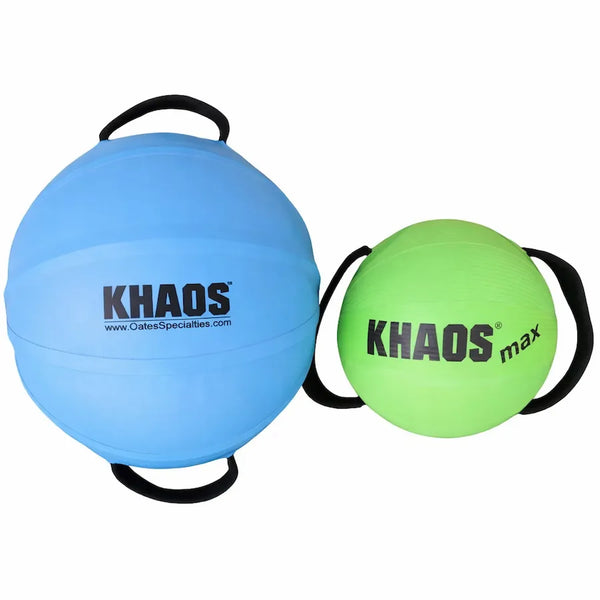
Standard round med balls slip out of the hands during high-tempo rotational reps — that's a training-quality problem and a safety problem. The Double Handle stays in the athlete's hands through the entire rotation, so tempo doesn't drop and reps don't miss.
The TAP® Soft Medicine Ball is designed specifically for indoor wall work — soft shell, no rebound damage, safer for gym walls and turf. Standard slam balls (like the Pummel Ball) are for slams and rotational throws, not repeated wall contact, particularly heavier variations.
Sometimes. The TAP® Mini Medicine Balls come in a range of weights best suited for older overhead athletes who need focused arm and trunk loading without jumping straight to heavier med balls. They are for controlled, medicine‑ball drills and should not be used for baseball‑style throws or game‑speed pitching patterns. They are a common choice for advanced arm‑care and rotational‑strength programs that want targeted loading without the bulk of full‑size slam balls.