
TAP® शोल्डर ट्यूब®
$129.95
In Stock

25 products
Hey Oates — AI Training Assistant
Ask Hey Oates — trained on our catalog and training library.
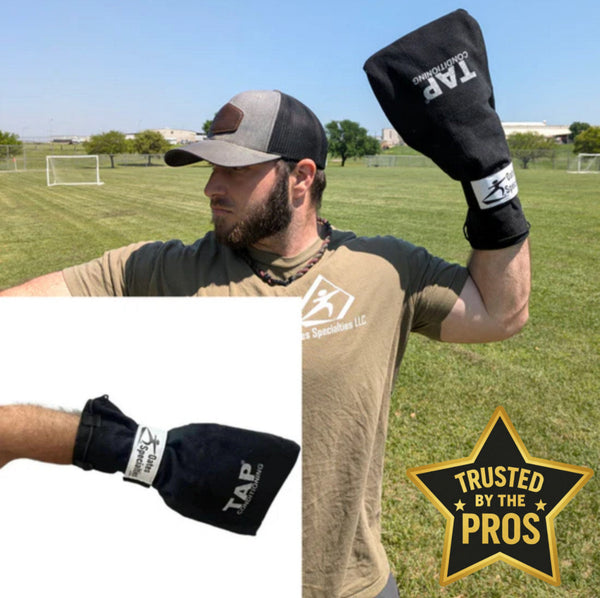
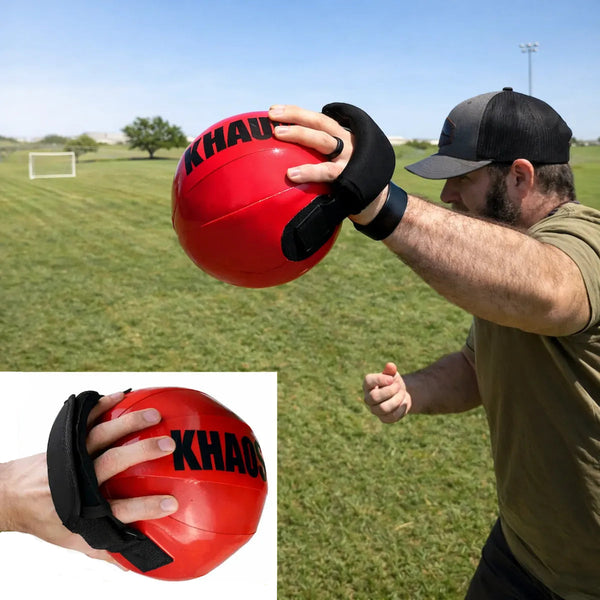
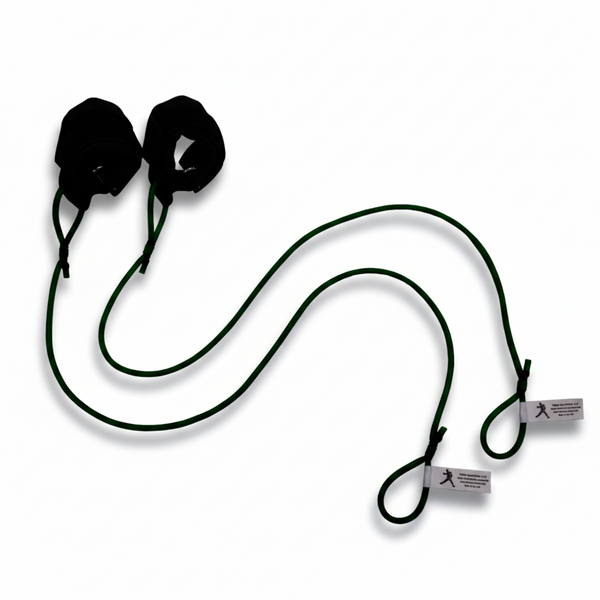
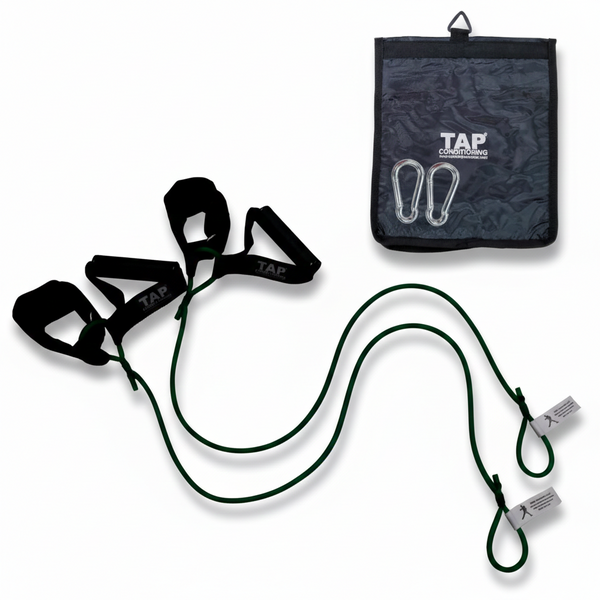
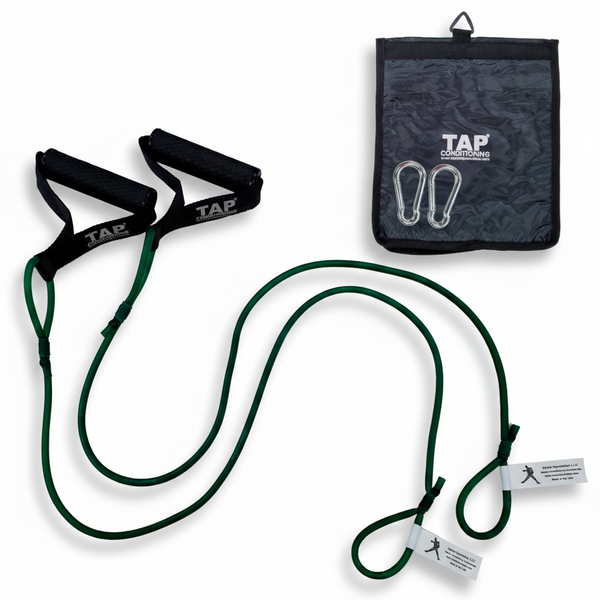
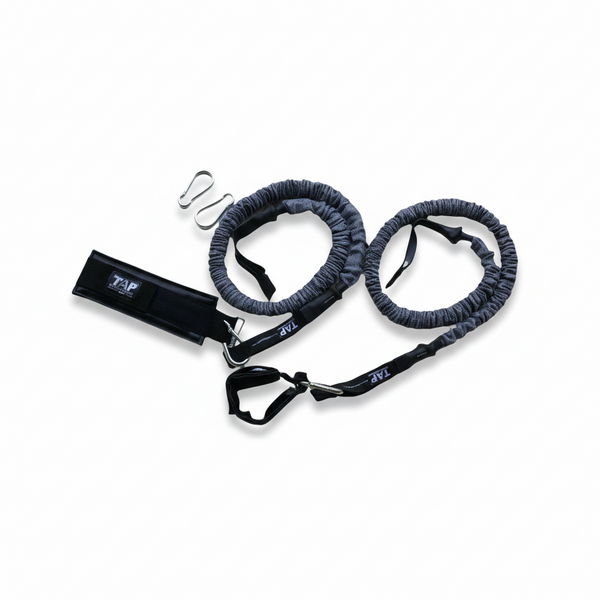
The overhead shoulder is one of the most mobile joints in the body, which means it is also one of the least naturally stable. A durable throwing shoulder is not built on a single exercise — it is built on cuff strength, scapular control, and trained deceleration, all layered into a consistent routine.
The three shoulder‑training jobs:
The tools in this collection
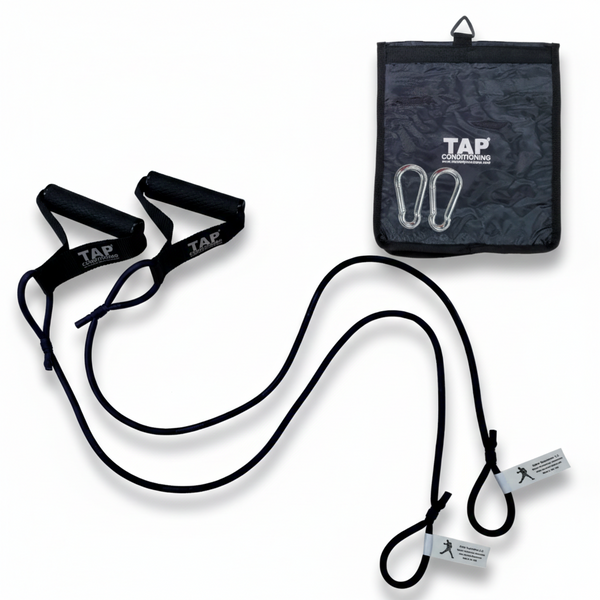
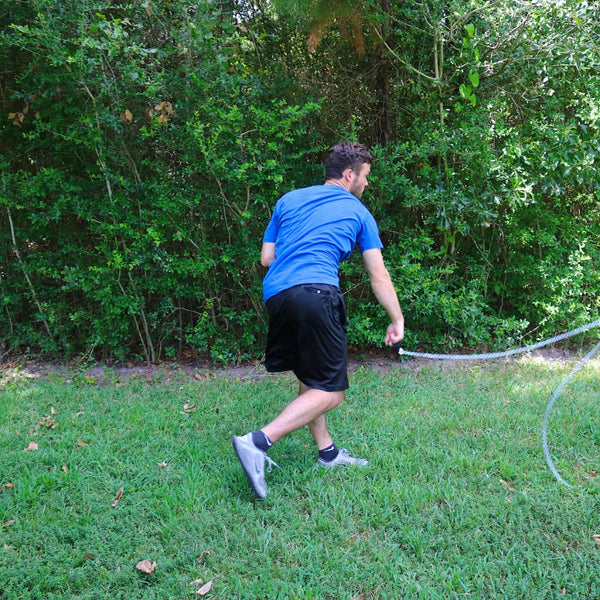
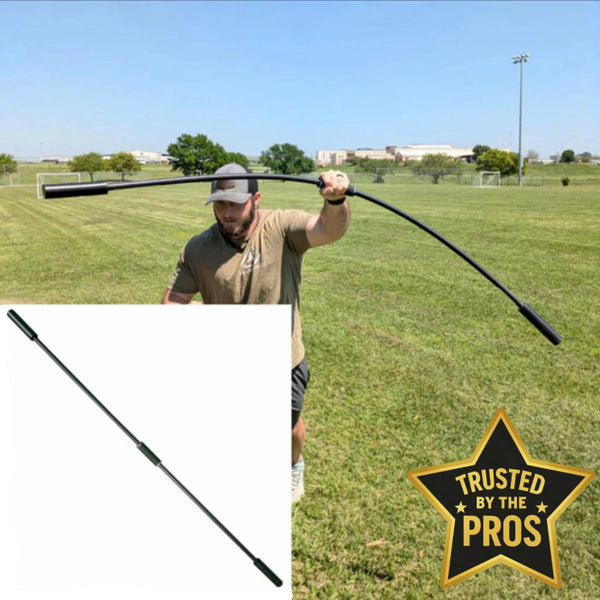
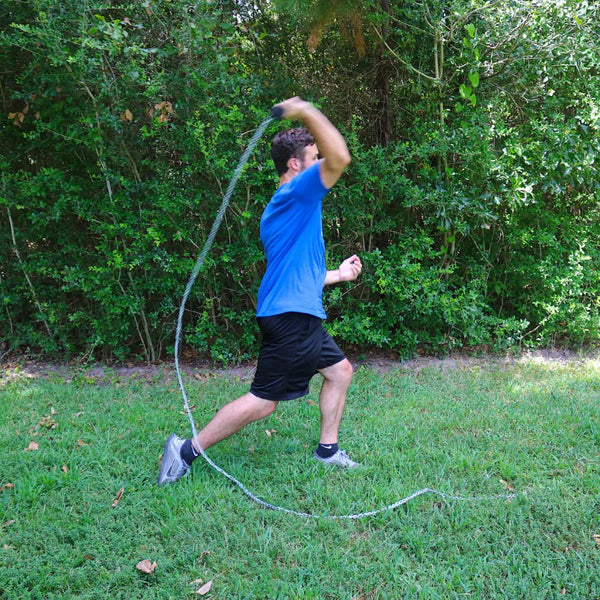
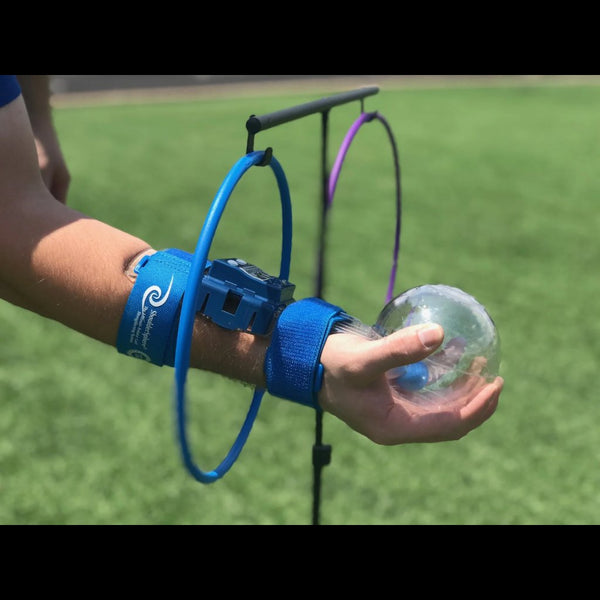
The Shoulder Tube® is the signature piece — long‑lever oscillation challenges reactive cuff and scapular stability in ways simple linear‑resistance tubing cannot.
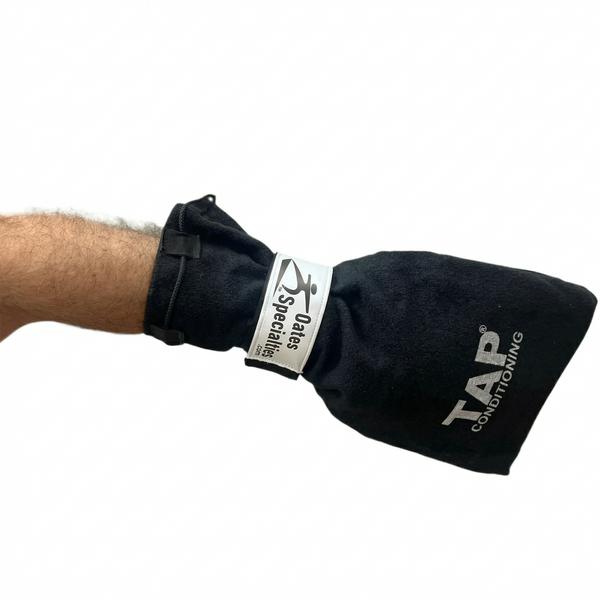
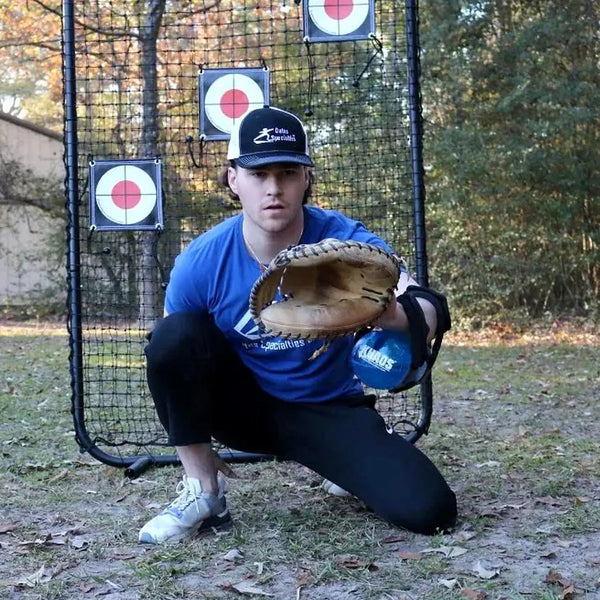
The TAP® Baseball Training Sock is a wearable throwing aid that lets the arm be loaded through actual throws inside a constrained environment.
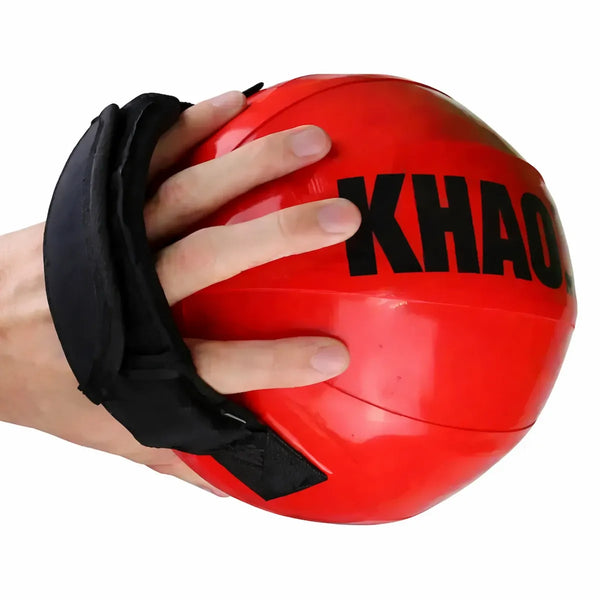
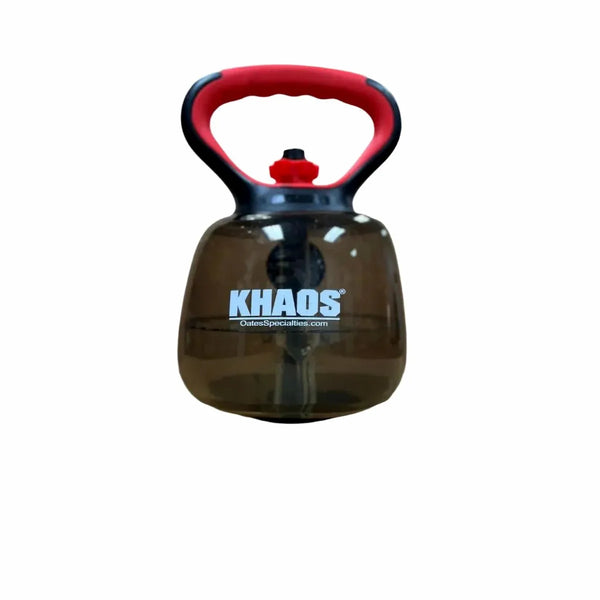
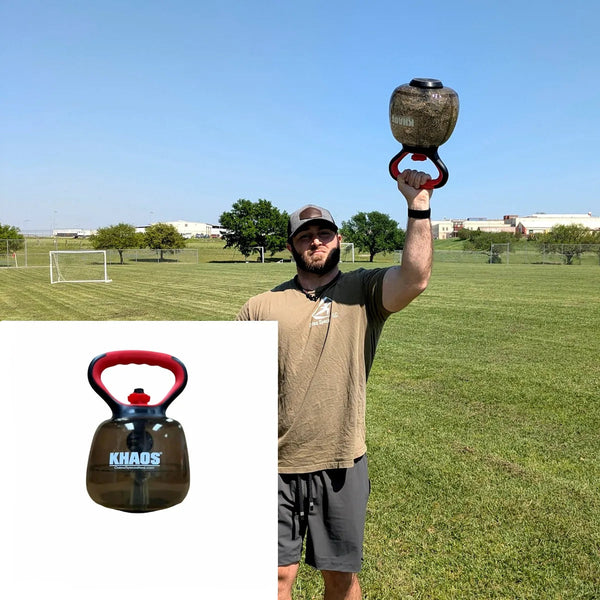
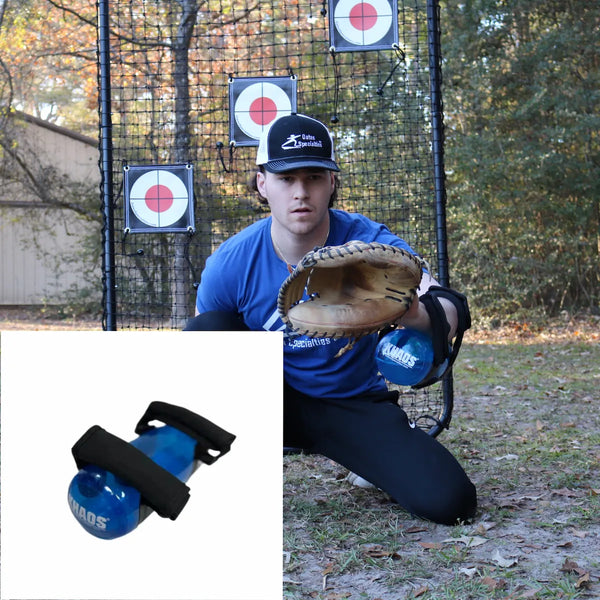
The KHAOS® Shoulder Shaker uses water resistance for compact stability work that keeps the shoulder reacting to a shifting internal load.
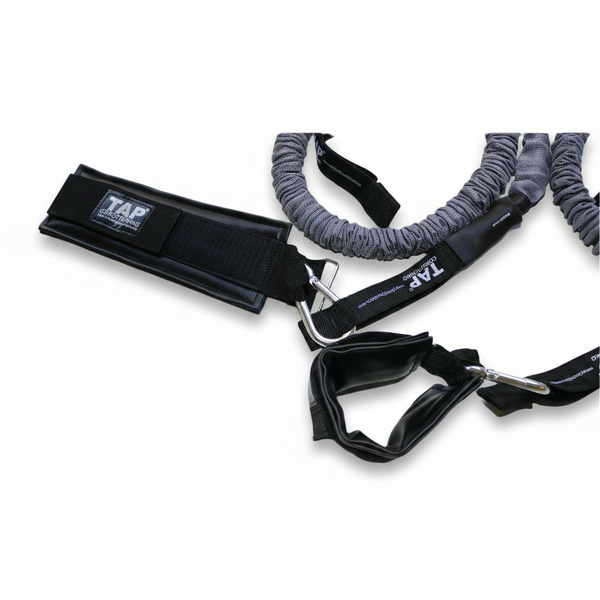
Tubing pieces — TAP® Pitcher’s Friend, TAP® Ultimate Pitcher, TAP® Dynamic Arm Tubing, and TAP® Sheathed Safety Tubing — are commonly used for cuff and scapular‑strength foundations.
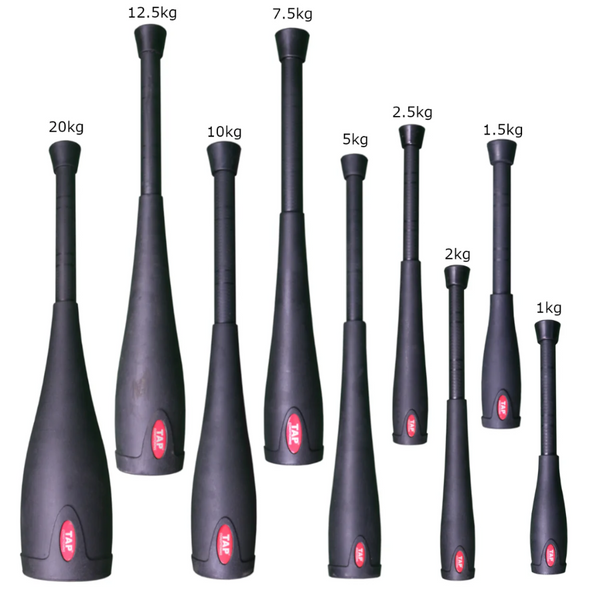
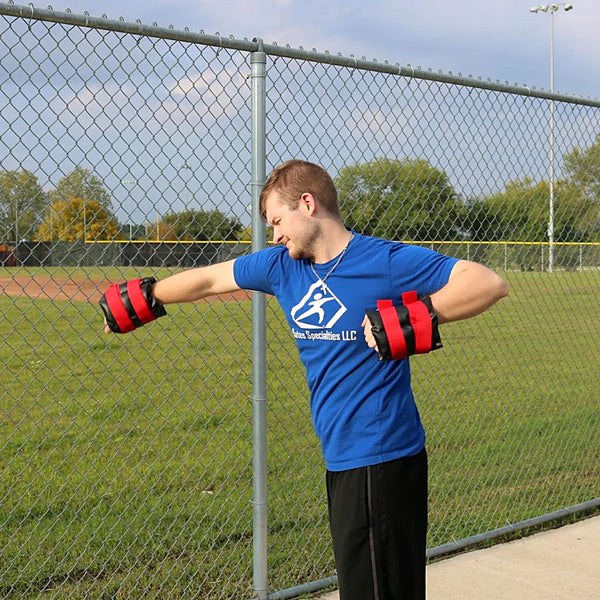
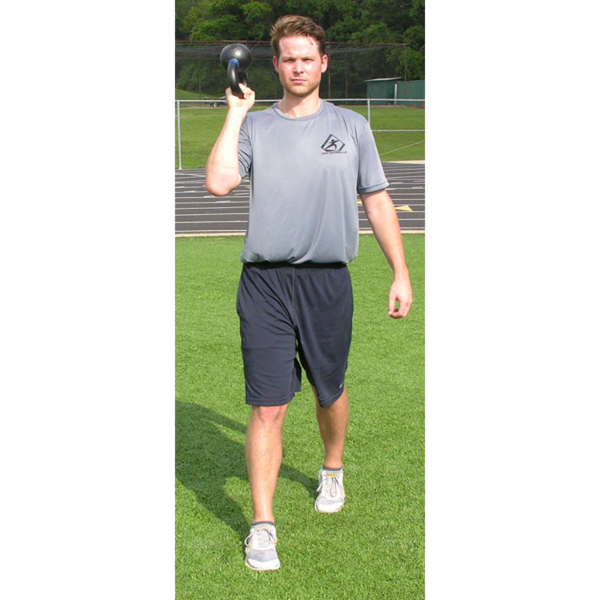
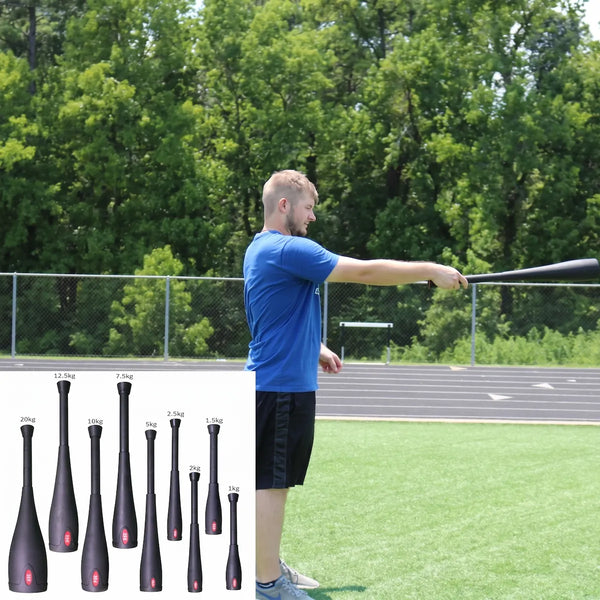
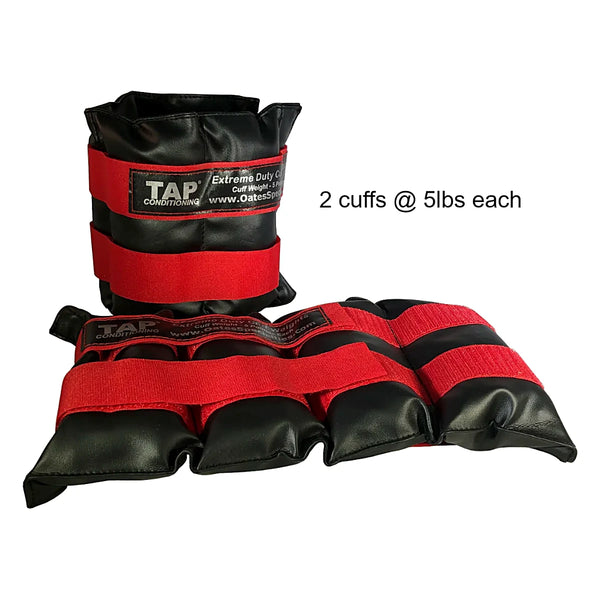
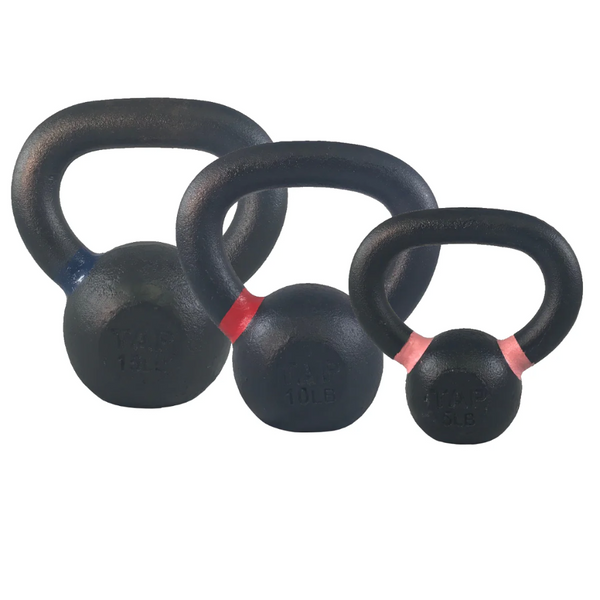
Weighted cuffs, kettlebells, and the TAP® Bell Club extend the loading ladder into strength and mobility work when they are integrated into a broader training plan.
Consistent use, not once a week
Shoulder work is a habit, not a once‑a‑week event. Many successful programs spend a short block of time on shoulder‑specific work across training days — activation before throws, strength or stability after throws, and mobility or recovery work on lower‑intensity days. The products in this collection are designed to support that kind of daily rhythm and to be used by coaches, therapists, and athletes inside their own arm‑care plans. Coaches or parents who want help matching shoulder tools to athlete age, level, and existing routines can call or text our team at (936) 295‑4459 to talk through which pieces typically fit different stages — we provide equipment guidance, not individualized medical or rehab instruction.
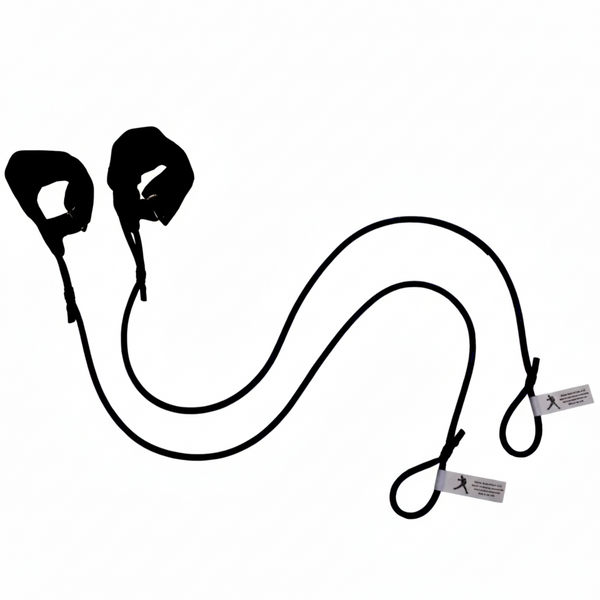
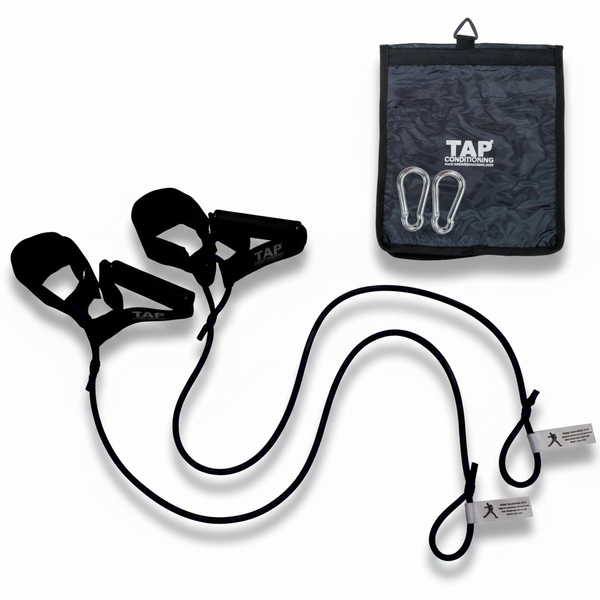
The Pitcher's Friend is cuffed tubing — the athlete wears wrist and hand cuffs, and the resistance pulls distally to unload the shoulder and challenge scapular stability. The Ultimate Pitcher adds a dual interface — both cuffed and handled — so the athlete can transition between arm-care patterns and grip-based patterns in the same setup. Programs often use both.
A light dumbbell is a static load — the cuff pre-loads once and holds. The KHAOS® Shoulder Shaker contains water that moves independently of the athlete, so the cuff has to keep re-stabilizing. That's reactive cuff work, which is what throwing actually asks for. Both have a place; the Shaker adds a training quality dumbbells can't produce.
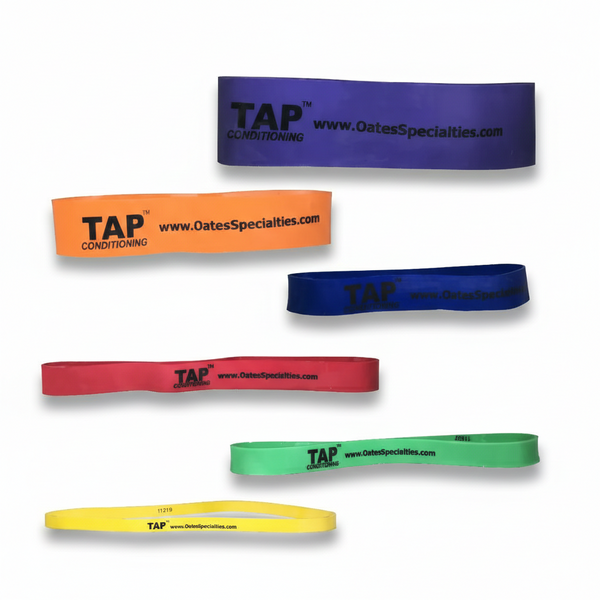
The essential three: TAP® Exercise Bands for daily cuff activation, Pitcher's Friend or Sheathed Safety Tubing for cuff strength, a Shoulder Tube® for reactive stability, and sometimes plyo balls (from the Weighted Balls collection) for tissue loading. That's an example arm-care setup for a single athlete.