



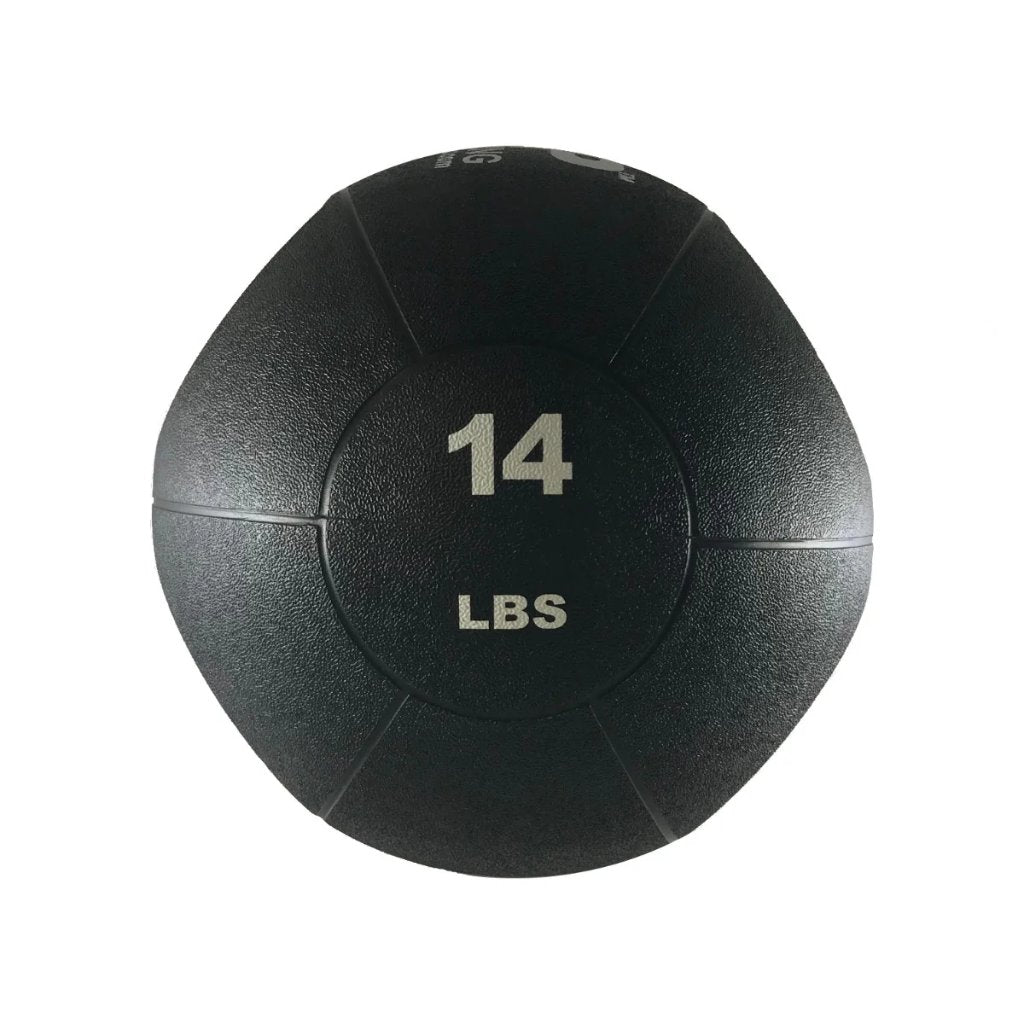




TAP® Double Handle Medicine Ball – Dual‑Grip Rotational Medicine Ball for Explosive Core Power and Game‑Speed Movement
Couldn't load pickup availability
Train explosive rotational power and game-speed core drive with a secure dual-handle lever — without ever throwing the ball.
The TAP® Double Handle Medicine Ball replaces the usual under-hand scoop or chest hug with two opposing molded handles, giving athletes a secure lever to move explosively in twists, swings, and controlled slam-style patterns. By moving the load into the hands instead of the forearms, athletes can drive force from the ground, channel it through the mid-section, and steer the ball’s path — building the ground-up power base that supports velocity and bat-speed development without adding ball-on-ball throwing volume.
- Dual Molded Handles Instead of a Slick Shell — Two opposing handles let athletes use neutral two-hand, staggered, or single-hand grips, replacing the under-hand scoop or chest hug a smooth medicine ball demands.
- Ground-Up Power Transfer for Velocity and Bat Speed — Loading the hips, rotating the torso, and moving the ball explosively trains the same lower-body-to-core force flow used in throws and swings.
- Single-Handle Lever Arcs for Shoulder Control — Single-hand circles and overhead halos move the off-center weight in big loops, challenging wrist position and shoulder-blade glide.
- Multi-Direction Hinge-Plus-Slam Patterns — Hinge and squat-to-overhead movements finish in powerful slam actions, forcing the legs, hips, trunk, and upper body to accelerate and then brake the load as one unit.
- 4–20 lb Weight Run for Every Phase — Light sizes suit youth, rehab, and pattern-quality work; heavy sizes belong with advanced athletes who already control the patterns at game speed.
What Is It?
The TAP® Double Handle Medicine Ball is a handled medicine ball built for explosive swing-, hinge-, and slam-style training with one or two hands. The dual handles turn a heavy object you’d normally hug into a lever you can guide through three-dimensional paths, making side swings, overhead arcs, and controlled slam patterns easier to manage at high speed than with a handle-less ball.
Compared with kettlebell or dumbbell swings, the double-handle ball offers a larger, more forgiving implement for dynamic arcs and hinge-plus-slam drills where the goal is speed and control — not throwing or rebounding the implement.
How It Works
Three mechanisms behind the handle-lever design
Lever-Arm Torque
Holding the handles keeps the load farther from the body’s center of gravity, lengthening the lever arm and raising the rate of force development the obliques and abdominal wall must produce.
Shoulder-Blade Glide
Single-handle halos ask the shoulder blades to rotate and glide cleanly along the ribcage, training the rotator cuff and upper-body stabilizers through large, athletic ranges of motion.
Stretch-Shortening Drive
High-tempo hinge-to-slam drills load the legs and hips, transfer power through the trunk, and finish through the arms, mirroring the rapid stretch-shortening cycle behavior used in athletic throwing and swinging.
Backed by Research
The Science of Ground-Up Rotational Power
Medicine ball throw and swing performance is closely tied to how efficiently the lower body, trunk, and arms sequence force into the implement. A secure handle lever lets athletes load that sequence at higher speed, supporting the rate of force development and rotational power that underpin throwing and hitting performance.
Video Library
See It In Action
Click the thumbnail to play from the start — click any timestamp to jump to that moment.
2026
TAP® Double Handle Medicine Ball: Swing, Lever & Slam Mechanics
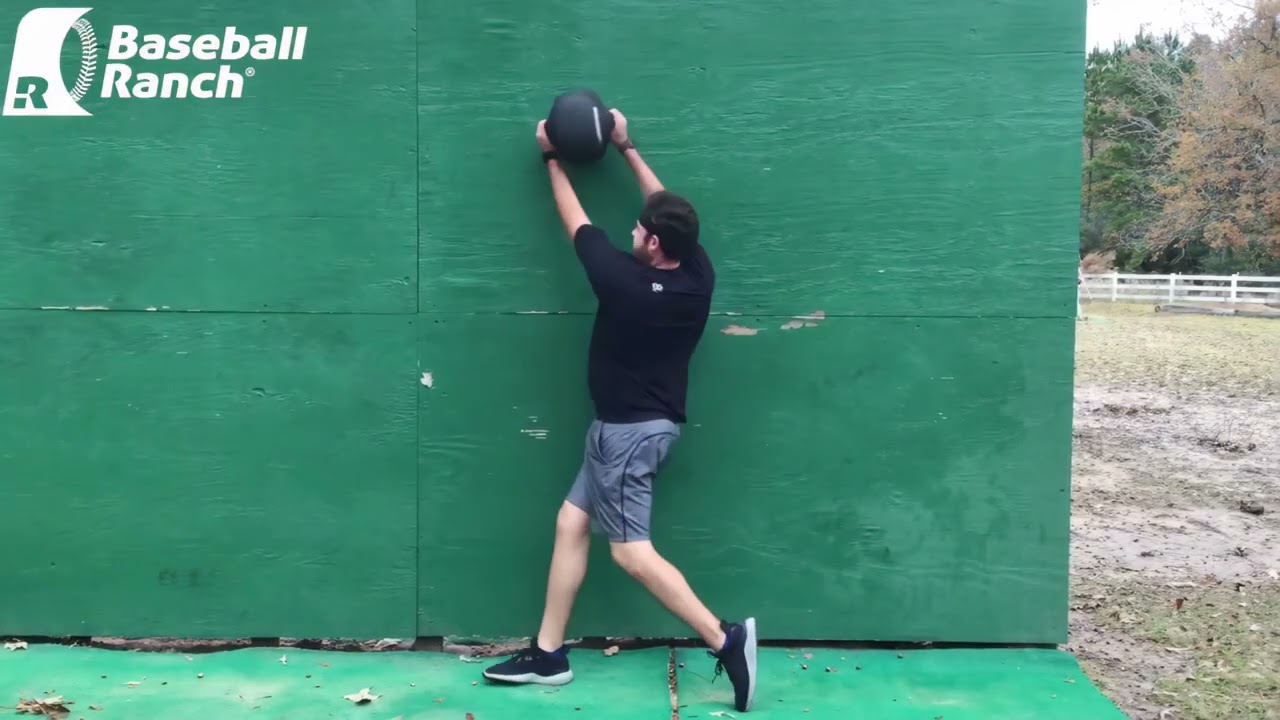
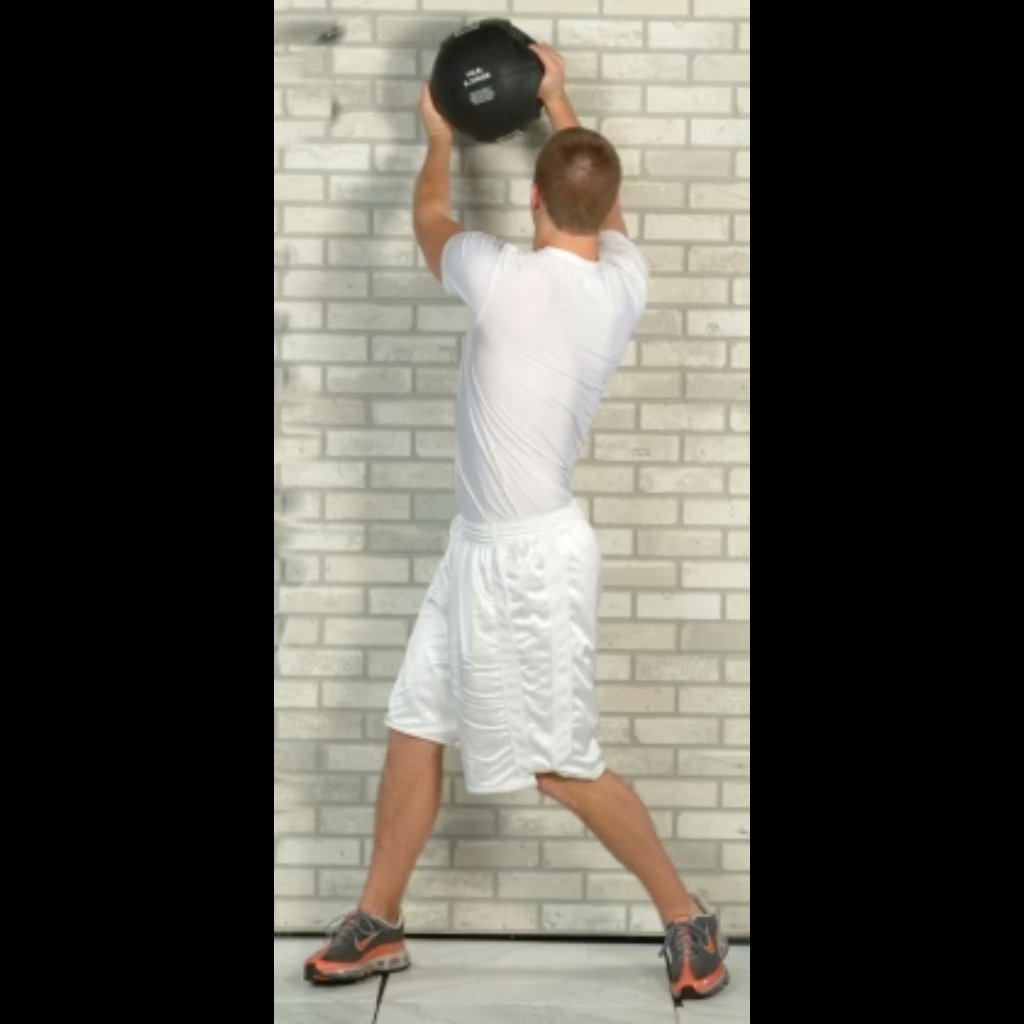
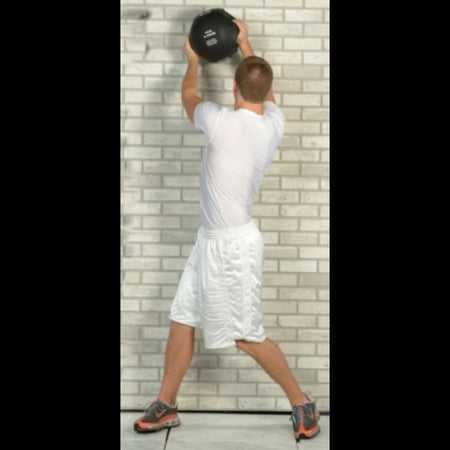
| Two-Handed Power Swings & Wall Drills — a stable, double-handed grip drives high-velocity side swings and rotational wall rebounds, showing how a secure connection moves power out of the lower half and through the core. | |
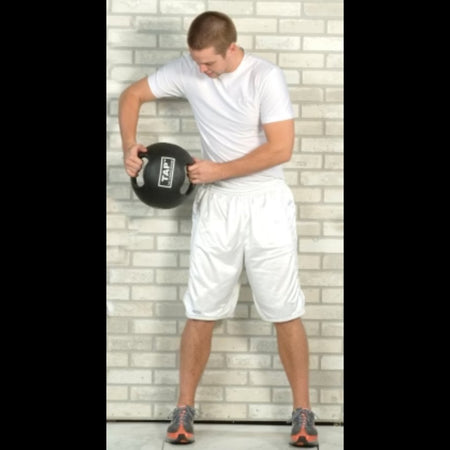
| Single-Handed Lever Arcs & Halos — single-handle grip variations swing the ball through lateral arcs, casts, and overhead halos, showing how the off-center weight challenges wrist control and shoulder tracking. | |
| Multi-Planar Slams & Dynamic Hinging — deep lower-body squats combine with powerful overhead floor slams, documenting how the entire body accelerates and decelerates the moving load together. | |
| Weight Options & Build Overview — the full 4–20 lb lineup and heavy-duty molded handle design, closing with the brand summary slide. |
Product Details
How to Use It
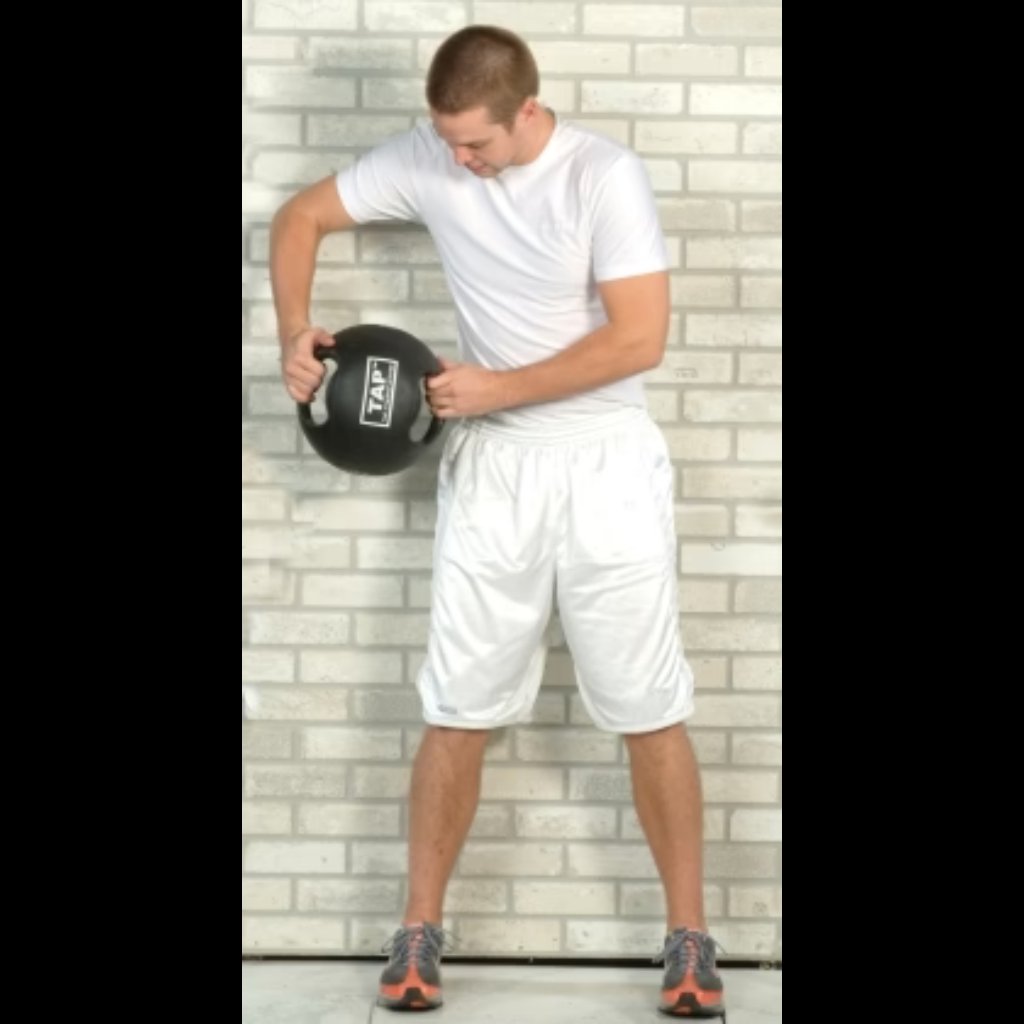
Two-handed power swings: Both hands on the handles, drive rotational swings or side-to-side slam-style motions into the floor or open space without releasing the ball. Load the back leg and hip, turn the pelvis and trunk aggressively, and let the arms steer the lever.
Single-handle lever arcs: Grip one handle and move the ball through lateral arcs, overhead halos, and cast-type patterns, keeping the ribs down so the shoulder blade glides smoothly.
Hinge-to-slam sequences: Combine squats or hip hinges with overhead-to-floor slam actions using both handles, driving with the legs and hips and bracing the trunk to transfer power.
Match load to intent: Use 4–8 lb for fast-tempo pattern work; move to heavier balls only once mechanics are clean and repeatable.
Variant & Selection Guide
| Weight | SKU | UPC |
|---|---|---|
| 4 lb | HMB4 | 608938930774 |
| 6 lb | HMB6 | 608938930781 |
| 8 lb | HMB8 | 797734131710* |
| 10 lb | HMB10 | 797734131727* |
| 12 lb | HMB12 | 797734131727* |
| 14 lb | HMB14 | 797734131710* |
| 16 lb | HMB16 | 797734131758 |
| 18 lb | HMB18 | 797734131765 |
| 20 lb | HMB20 | 797734131772 |
*HMB8/HMB14 and HMB10/HMB12 share UPC values pending distinct barcodes.
4–8 lb suits youth, rehab, and pattern work; heavier sizes are for athletes who control the patterns at game speed.
Who This Is For
- Commonly used for baseball/softball athletes building lower-body-to-core power and the explosive engine behind velocity and bat-speed gains.
- Commonly used for overhead and rotational sport athletes who need coordinated trunk movement without added ball-on-ball volume.
- Commonly used for strength and conditioning coaches running high-speed swing, hinge, and slam-style work.
- Commonly used for general athletes wanting explosive medicine-ball training with better grip security than a handle-less ball.
What This Implement Does NOT Do
- It is not meant to be thrown against walls, floors, or targets; repeated impact can damage the ball and create uncontrolled bounces.
- It does not automatically increase velocity or bat speed; those outcomes depend on how it is integrated with throwing, hitting, and strength work.
- It is not a medical or rehab device; return-to-play use should follow a plan set by qualified professionals.
- It is not a toy; careless use, excessive weight, or poor flooring can lead to drops or joint overload.
Technical Specs
| Product Name | TAP® Double Handle Medicine Ball |
|---|---|
| Also Known As | Handle Med, Core Ball, Rotational Medicine Ball |
| Construction | Medicine ball with two heavy-duty molded handles positioned opposite each other |
| Primary Use | Handled swings, hinge-plus-slams, arcs, and non-throwing rotation patterns |
| Training Qualities | Explosive force production, trunk strength, deceleration capacity, grip and shoulder control |
| Weight Range | 4, 6, 8, 10, 12, 14, 16, 18, 20 lb |
| Hand Use | One-hand and two-hand grips, neutral or staggered positions |
Safety and Youth Guardrails
- Environment: Use clear, non-slippery spaces; keep other athletes out of the ball’s path.
- Progression: Start lighter and simpler; add load, speed, and complexity as control improves.
- Non-throwing use: Don’t throw or rebound the ball off walls or targets; it’s a power implement, not a slam ball.
- Joint feedback: Stop or regress if drills cause joint pain rather than manageable fatigue.
- Supervision: Youth athletes should train under qualified coaching. We are not coaches. We do not provide coaching.
Frequently Asked Questions
How is this different from a regular medicine ball?
Dual molded handles give you a secure lever for swings, hinge-plus-slams, and rotational drills instead of hugging the ball, making high-speed patterns easier to control and coach.
Can I throw it like a wall ball?
No. This ball isn’t meant to be thrown or bounced; it’s built for handled swing, hinge, and slam-style patterns where you keep your hands on the ball.
Will this increase my velocity or bat speed?
It helps build the ground-up power and trunk stability that support velocity and bat speed, but gains depend on how it’s integrated with throwing, hitting, and strength training.
What weight should I start with?
Many athletes start between 4–8 lb for pattern work and progress to heavier balls once they show clean mechanics at the intended intensity.
Is it safe for youth athletes?
Yes, when lighter weights are used, volume is managed, and drills are coached; heavy, high-velocity work is for more mature, coordinated athletes.
Questions before you buy? Call or Text Our Team at (936) 295-4459
Featured Products