The Holiday Pitcher’s Toolkit
Practical training options for home, travel, and the work between fall and opening day
From Fall to Opening Day | Oates Specialties
November 24, 2026
🎧 Prefer to listen? Audio version of this article:
Opening Day Will Be Here Before You Know It
The holidays can make it difficult for pitchers to maintain their normal training routine. Between traveling, facilities being closed, and not having someone to throw with, it can be challenging to get the work in.
While the holidays are a great time to decompress, relax, and spend time with family, they also fall during a critical time in the preparation for the upcoming baseball season. Athletes still need to find ways to get their work in and continue following the plan they developed with their coach during the fall.
It takes time for the body to adapt to the demands of throwing. Waiting until a few weeks before the season begins to ramp up throwing intensity and workload is not an ideal approach to preparing for the season.
For more information on preparing for the upcoming season, check out our From Fall to Opening Day series.
With the challenges of training during the holidays in mind, we have put together our Holiday Pitcher's Toolkit featuring several products that allow pitchers to accomplish a variety of training objectives without necessarily needing access to a training facility or a throwing partner.
Whether you are a pitcher preparing for the upcoming season, a coach looking to equip your athletes, or a parent looking for Christmas gift ideas, these are tools that can be utilized throughout the year.
The Holiday Pitcher's Toolkit – $44.90
Don't let limited space or the lack of a throwing partner keep you from getting your work in over the holidays.
Purchase the TAP® Baseball Training Sock ($34.95) and TAP® Connection Ball ($9.95), and we'll throw in a TAP® 7 oz Max-Grip Weighted Ball and a green TAP® Exercise Band for FREE!
The Baseball Training Sock gives you the ability to throw virtually anywhere, while the Connection Ball is a great tool for working on arm efficiency. We've included a 7 oz weighted ball to use inside the Training Sock and an exercise band so you can incorporate warm-up and activation exercises without needing any additional training space.
Four training tools. $57.60 value for just $44.90 – SAVE $12.70!
Take Your Toolkit to the Next Level – $114.85
Add the KHAOS® Shoulder Shaker for $69.95, and we'll throw in the remaining five TAP® Exercise Bands for FREE, giving you our complete six-band collection.
The Shoulder Shaker is a great addition to your toolkit for warming up and activating the muscles of the arm and shoulder complex before throwing, as well as incorporating into your recovery routine afterward.
With all six resistance levels of our exercise bands, you'll also have the versatility to perform a wide variety of upper and lower body warm-up, activation, and strengthening exercises.
In addition to the Shoulder Shaker, you'll receive the Baseball Training Sock, Connection Ball, 7 oz Max-Grip Weighted Ball, and all six TAP® Exercise Bands.
Ten training tools. $141.80 value for just $114.85 – SAVE $26.95!
Prices exclude applicable tax and shipping.

The time to plan is before the schedule gets crowded
Our From Fall to Opening Day series makes a useful distinction: the preparation window is for building, and competition asks the athlete to use what has been built.
As games approach, there is less room to introduce unfamiliar work and see how the athlete responds. That is the real time pressure here. It is not a countdown clock on a product page.
A pitcher coming off a heavy fall may need a lower-load period. Another may need a gradual return to throwing. The starting point is the athlete’s recent work and current condition, not a date shared by everyone.
The tools do not shorten the body’s preparation timeline. They can make selected work more accessible during the time available.
Read How Much Should a Pitcher Throw? for the workload and progression discussion
1. TAP® Baseball Training Sock: Throw Virtually Anywhere
One of the biggest advantages of the TAP® Baseball Training Sock is the ability to get your throwing work in without needing a throwing partner or access to a baseball field.
The Training Sock allows athletes to release the ball naturally during the throwing motion while keeping the ball contained within the Sock.
How much room do you need?
If you have enough room to go through your full throwing motion and allow the Sock to travel freely, you have enough room to use the Training Sock. Whether that's in a hallway, bedroom, garage, or backyard, the Training Sock gives athletes the ability to make high-intent throws in a relatively small amount of space.
This makes it a great tool to take with you when traveling over the holidays or when you don't have access to your normal training facility.
How did the Baseball Training Sock come about?
Pitching practitioner Randy Sullivan noticed that some athletes were altering their throwing mechanics when performing weighted ball holds because they were required to maintain their grip on the ball throughout the throwing motion.
He brought this problem to Robert Oates, who developed the Training Sock to allow athletes to release the ball while keeping it contained.
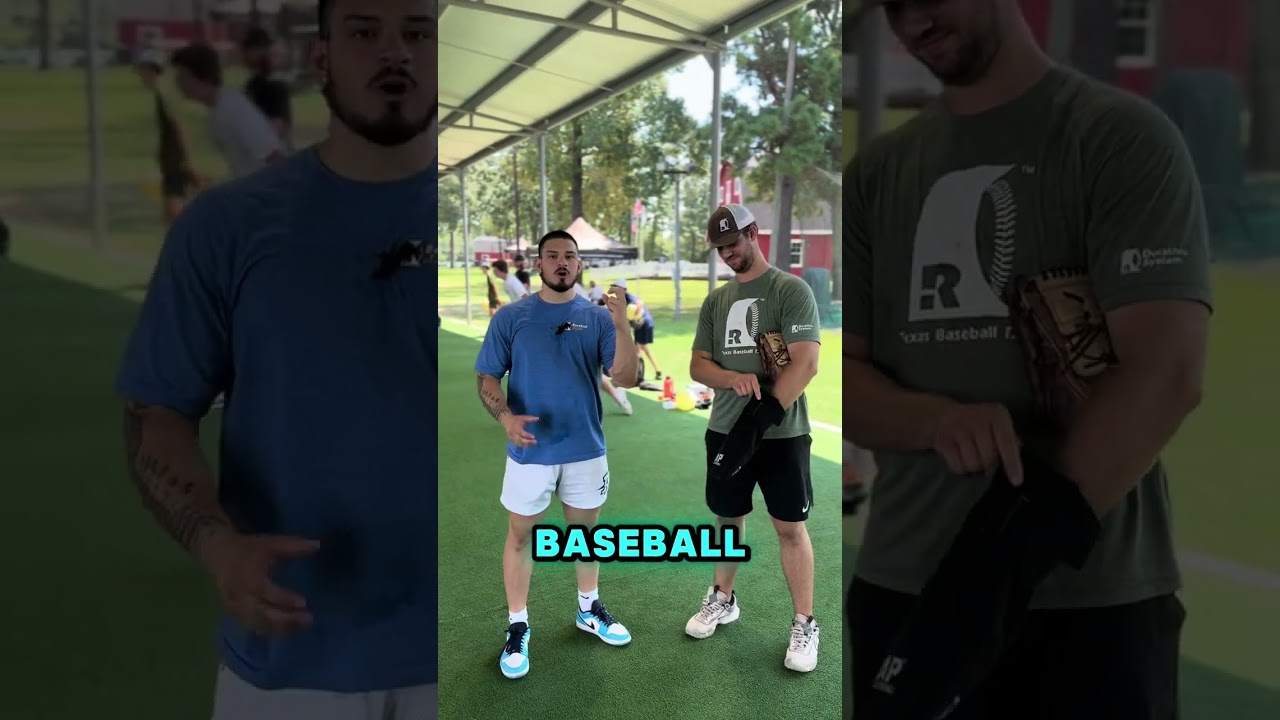
Sullivan emphasizes the importance of being able to release the ball when working on deceleration, particularly when targeting the muscles of the posterior shoulder that help slow the arm down after ball release. The Texas Baseball Ranch also utilizes the product for this purpose, referring to it as the Durathro® Sock.
Unlike traditional ball holds, the Training Sock allows athletes to work on deceleration without having to maintain their grip on the ball throughout the finish of the throwing motion.
See the TAP® Baseball Training Sock and current demonstrations
Updated TAP® Baseball Training Sock
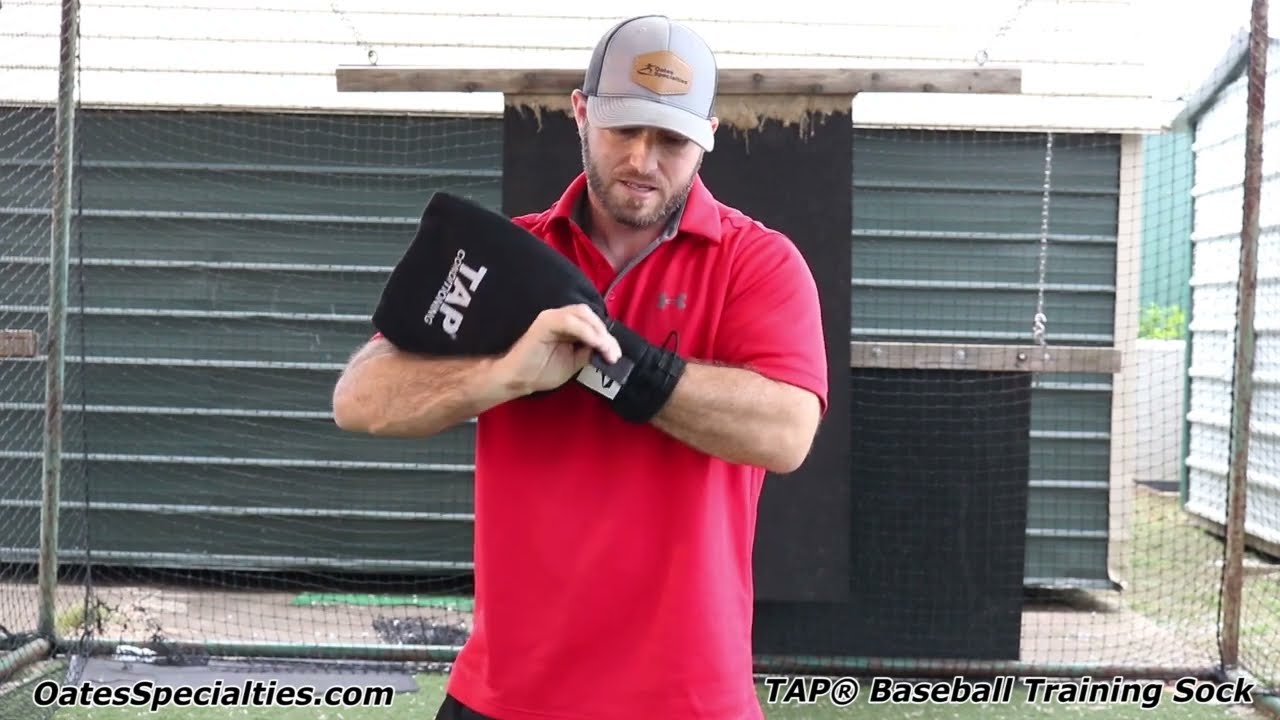
Sullivan: The Training Sock’s development
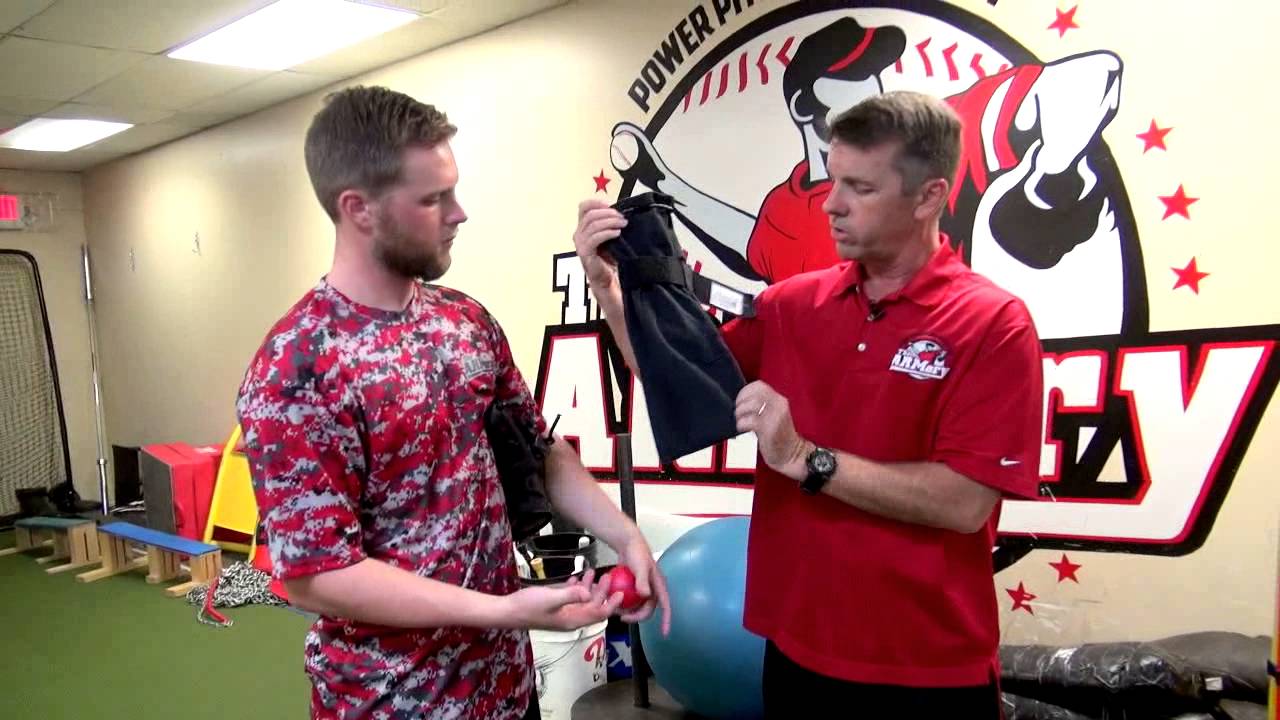
Texas Baseball Ranch: Understanding the Durathro Sock
2. The 7 oz Max-Grip ball: a companion for selected Sock work
The weighted ball is not included just to put another item in the box. It is a featured companion for Sock tasks that call for it.
In practitioner use, the added weight can make the work around the back of the shoulder more noticeable as the ball reaches the end of the Sock. That helps explain the pairing; it does not promise a training result. It just provides a louder stimulus that the athlete and their body can feel and adapt from.
The TAP® Max-Grip ball has a textured, soft shell and a sand-filled core. The coach selects whether the 7 oz option fits the athlete, along with the effort and number of throws.
View the Max-Grip Weighted Ball details
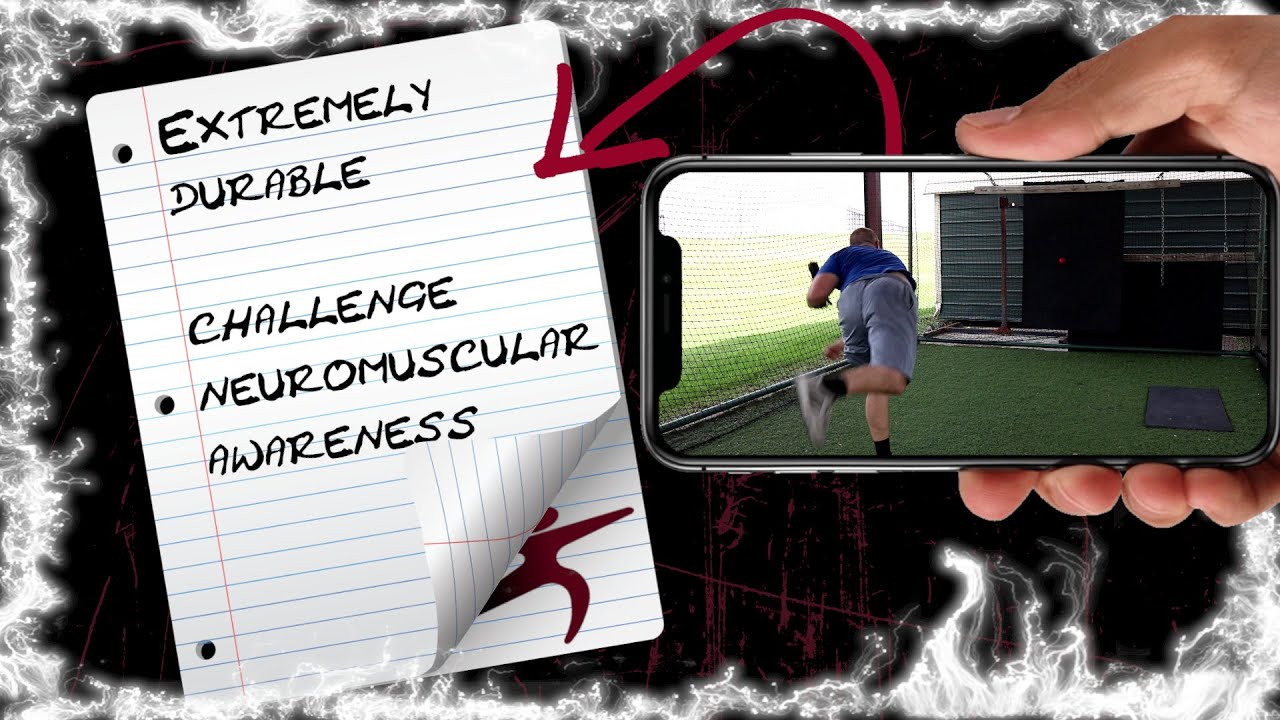
Oates Max-Grip Weighted Ball overview
3. Connection Ball: something the pitcher can feel and the coach can see
Sometimes a verbal cue is not enough. A physical constraint gives the athlete another way to feel the assigned movement.
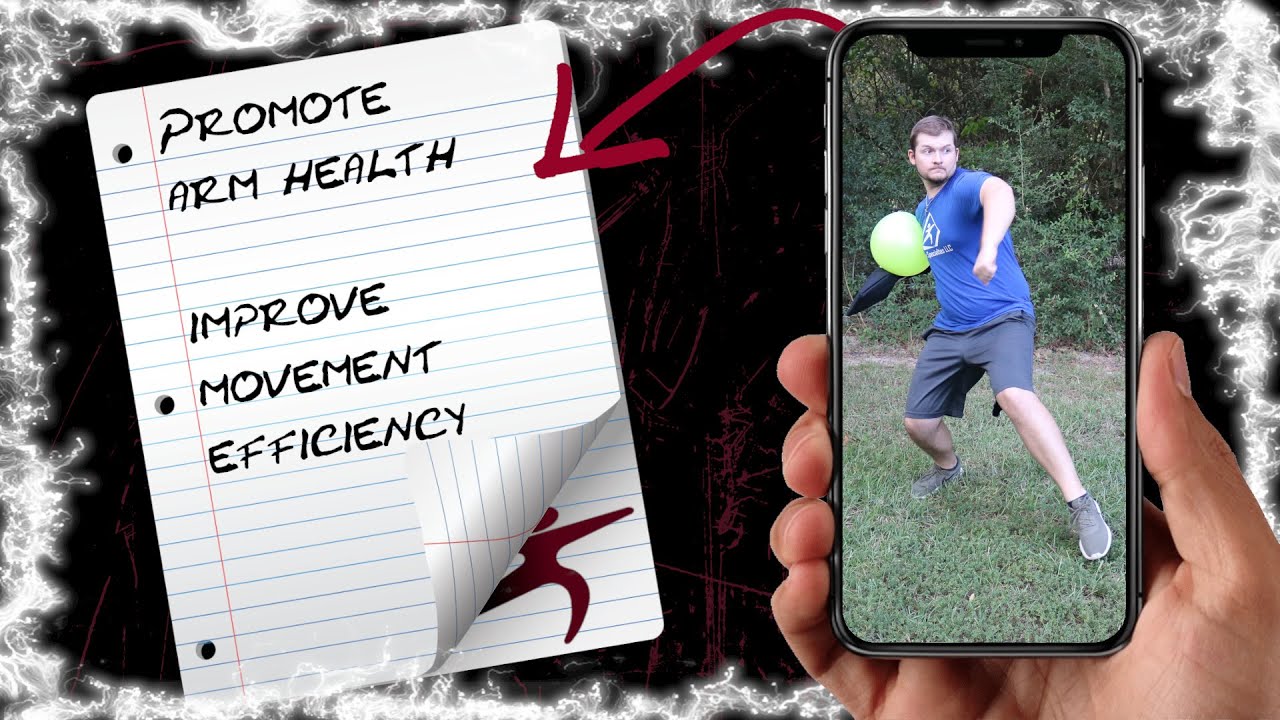
The TAP® Connection Ball provides that cue during selected drills. Its position and release give the athlete and coach something to observe and discuss.
From taped pads to a practical teaching tool
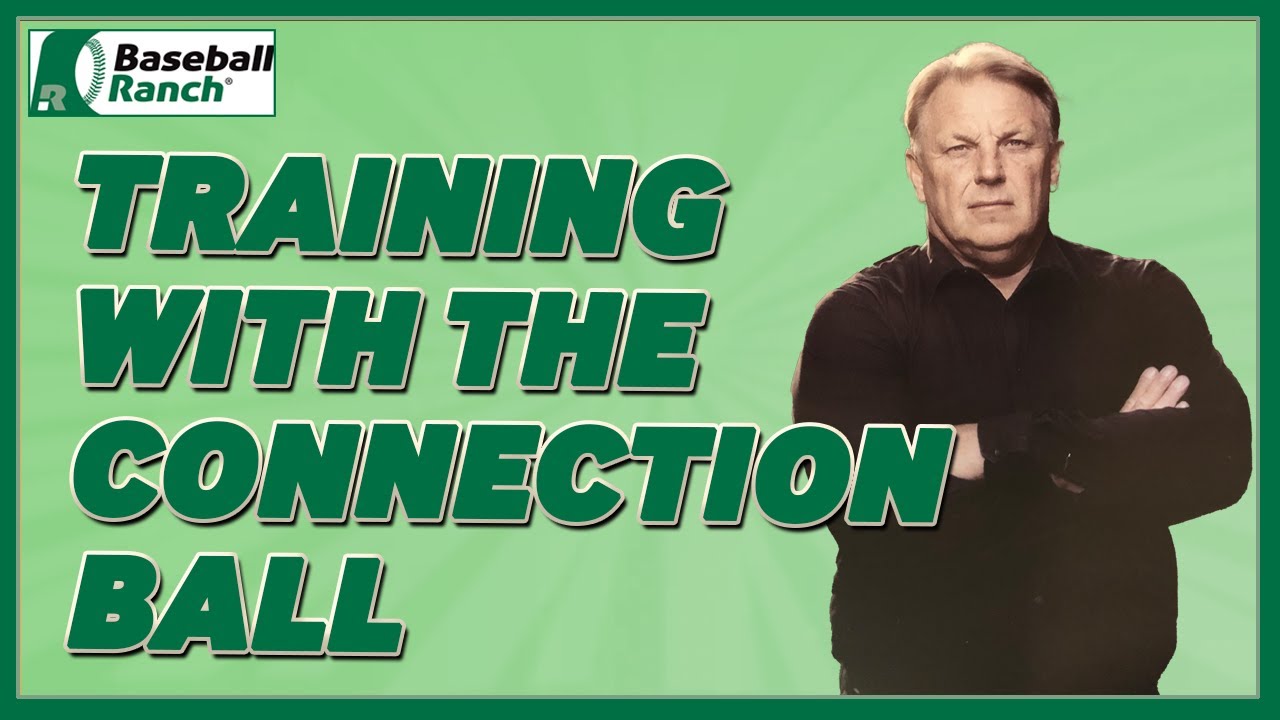
Ron Wolforth describes working with an athlete using taped-together pads as a constraint during throwing drills.
Robert Oates had recently brought him an air-filled ball to explore. When the two discussed the pad application, Robert suggested trying the ball instead. Wolforth recognized its usefulness, helping establish the Connection Ball’s role in selected throwing drills.
Adjust the fit, then pack it easily
The textured surface helps resist slipping under the upper arm or in the crook of the elbow. Add or remove air to fit the athlete and placement. The goal is a useful fit, not maximum inflation.
For travel, deflate the ball for packing and reinflate it when needed.
Watch the release, not just whether it stays in place
In practitioner use, where the Connection Ball goes provides feedback about the task.
| Placement | Preferred result | What the coach is addressing |
|---|---|---|
| Pinched under the throwing arm near the arm pit | The ball falls directly downward. | A selected throwing arm task where the arm raises independently of the torso, often called inverted W or elevated distal humerus, causing it to be disconnected and harder to rotate efficiently. |
| In the crease of the throwing elbow | The ball travels forward toward the target or slightly towards arm side. | A selected task addressing the forearm casting outward, often called forearm flyout. |
These are observations within specific drills, not a diagnosis or one delivery that every pitcher should copy.
Use it, then throw without it
Not every throw should use the Connection Ball. Blend repetitions with the tool into throws without it. Watch whether the athlete carries the intended movement into normal throwing.
As Wolforth explains, a tool should help teach. It should not become a crutch.
Explore the Connection Ball and demonstrations
Wolforth: Baseball Pitching Training with the Connection Ball
Oates Connection Ball overview
4. Green Exercise Band: A Resistance Option That Travels Easily
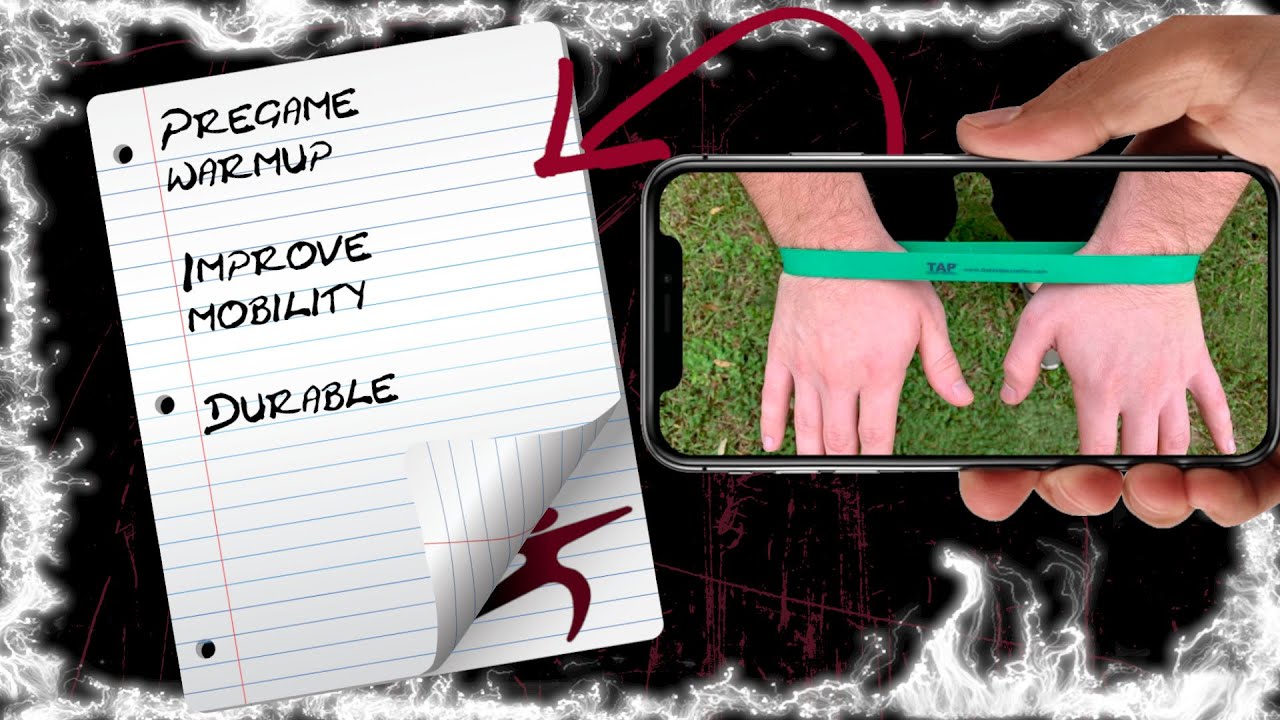
The green TAP® Exercise Band is a compact, flat elastic loop. It measures 9 inches lay-flat and 5/8 inch wide, packs easily, and provides resistance for a variety of exercises.
The green Exercise Band is a great addition to an athlete's pre-throwing routine and can be used for upper body warm-up and activation exercises targeting the muscles surrounding the shoulder and scapula to help prepare the arm for throwing.
For athletes who already incorporate resistance band exercises into their training routine, it offers a simple way to continue getting that work in while traveling over the holidays. It requires very little space and can easily be packed alongside the Baseball Training Sock and Connection Ball.
Exercises should be performed with smooth, controlled movements using the appropriate resistance. Inspect the band before use and replace it if damaged. Contains natural rubber latex.
View the Exercise Bands and demonstrations
Oates Exercise Band overview
Take Your Holiday Pitcher's Toolkit to the Next Level
For an additional $69.95, add the KHAOS® Shoulder Shaker to your Holiday Pitcher's Toolkit, and we'll throw in the remaining five TAP® Exercise Bands ($14.25 value) for FREE, giving you our complete six-band collection.
KHAOS® Shoulder Shaker: Warm-Up, Activation, and Recovery
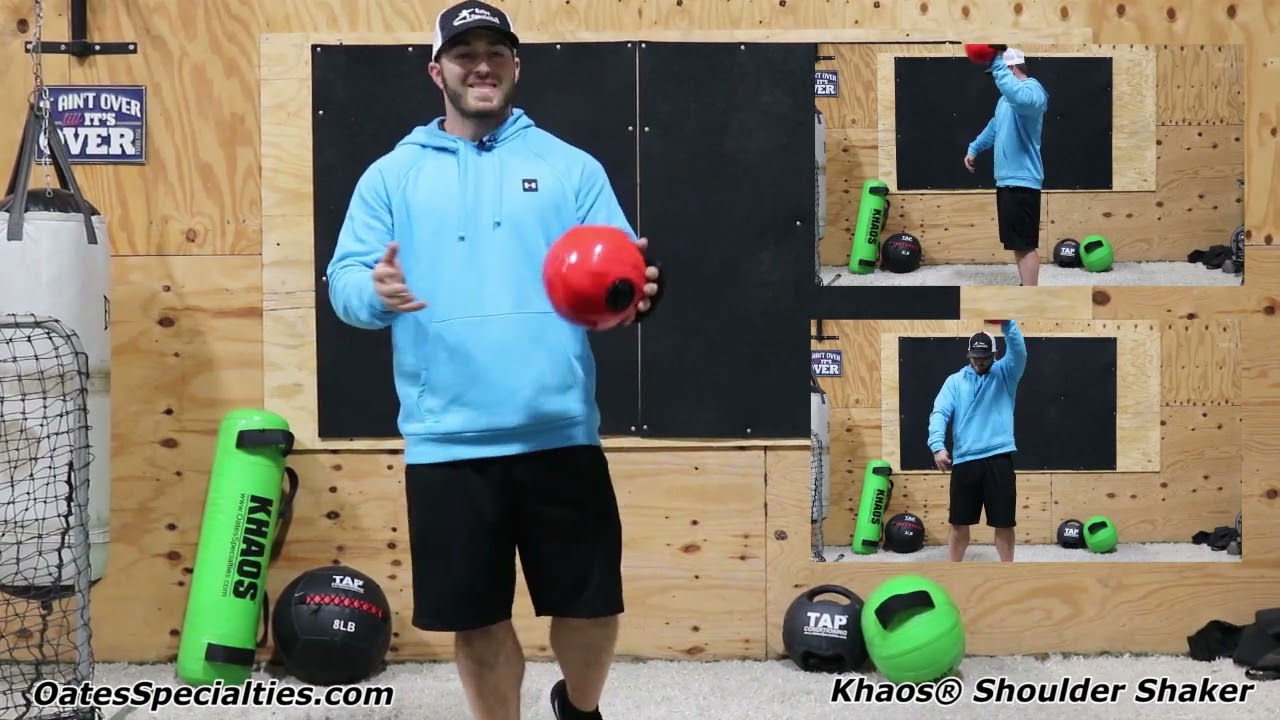
We first introduced water-filled training equipment in 2010, giving athletes the ability to train with a dynamic, unpredictable load. The Shoulder Shaker was developed to bring those same training benefits to a smaller, handheld product with an adjustable strap to keep it secure in the athlete's hand.
As the water shifts inside the Shoulder Shaker, the muscles of the arm and shoulder must continually contract and adjust to stabilize the unpredictable load. This makes it a great tool for warming up and activating the muscles of the arm and shoulder complex while promoting blood flow prior to throwing.
The Shoulder Shaker is also an excellent tool to incorporate into a post-throwing recovery routine where the emphasis is on promoting blood flow, improving muscular endurance, and developing strength and stability throughout the arm and shoulder complex.
Another advantage of the Shoulder Shaker is its portability. Simply empty the water, deflate it, and pack it in your bag. Refill it when you arrive at your destination, and you're ready to go.
Learn more about the KHAOS® Shoulder Shaker and see it in use
Oates Shoulder Shaker introduction
Six Exercise Bands. Even More Training Possibilities.
By adding the Shoulder Shaker to your Holiday Pitcher's Toolkit, you'll also receive our yellow, red, blue, orange, and purple TAP® Exercise Bands at no additional cost.
Having all six resistance levels gives athletes considerably more versatility when it comes to upper and lower body warm-ups, muscle activation, strengthening exercises, and resistance training. From activating the muscles of the hips and glutes to strengthening the muscles surrounding the shoulder and scapula, the complete collection provides a wide variety of training options without requiring bulky equipment or much additional space.
Get 10 Training Tools, Including 7 FREE Products!
For just $114.85, you'll receive:
- TAP® Baseball Training Sock
- TAP® Connection Ball
- KHAOS® Shoulder Shaker
- FREE TAP® 7 oz Max-Grip Weighted Ball ($10.95 value)
- FREE Complete Six-Band TAP® Exercise Band Collection ($16.00 value)
$141.80 Retail Value — YOUR PRICE $114.85 — SAVE $26.95!
A versatile collection of training equipment that allows athletes to warm up, activate, throw, strengthen, and recover virtually anywhere, throughout the holidays and well into the baseball season.
Price excludes applicable tax and shipping.
Match the tool to the situation
| When this happens | A practical option |
|---|---|
| An assigned Sock session has no available partner | Use a clear area with room for full throwing motion. |
| A coach has assigned a movement cue | Use the Connection Ball as taught, then blend in throws without it. |
| The selected Sock task calls for 7 oz | Use the included Max-Grip ball at the assigned effort and volume. |
| Travel limits equipment access | Pack a suitable band for familiar resistance movements. |
| The program includes a shifting-load exercise | Use the optional Shoulder Shaker as instructed. |
| Different exercises need different resistance | Select a suitable band from the optional complete collection. |
| The schedule calls for rest or no throwing | Keep the day as planned. Available equipment does not change its purpose. |
Choosing tools for yourself or someone else?
Start with one question: would these tools help the athlete carry out work that is already in the plan?
For your own training, check how the tools fit with the coach’s instructions. For a parent or gift buyer, a quick conversation with the athlete or coach can help. For a coach, consider which tasks the tools would serve and what instruction the pitchers need.
The gift does not have to promise more velocity or a shortcut to opening day. Its value is practical: useful options for the days a partner, field, or facility is out of reach.
Plan the next step before competition sets the pace
In his Perfect Game offseason series, Ron Wolforth emphasizes planning with the end in mind, cycling the work, and fitting it to the athlete. That is a useful way to approach the weeks ahead.
The first competition date will keep getting closer. The answer is not to rush the body or pile on more work. It is to make a sensible plan now and give that plan room to unfold.
Our From Fall to Opening Day series covers the bigger preparation picture. Upcoming emails and social posts will take a closer look at each toolkit component and where it may fit.
Choose practical options for the work ahead
Whether you’re choosing tools for your own training, supporting your athlete, equipping the pitchers you coach, or looking for a thoughtful gift, the Holiday Pitcher’s Toolkit puts practical options in one package.
Get the Holiday Pitcher’s Toolkit
The additional-band offer is available only with the Holiday Toolkit and Shoulder Shaker purchase. The toolkit already includes green; the five added colors complete the six-band collection.
Training guidance
These tools support an individual program; they do not prescribe one or speed up tissue preparation. Follow current product age and supervision instructions and any coach or healthcare professional guidance. A qualified coach should select tasks, weight, effort, volume, and progression. Count Sock throws as throwing work. Respect rest and no-throw periods, allow clearance for the full movement, inspect equipment, and stop for pain, unusual discomfort, or loss of control. Practitioner applications do not establish guaranteed performance or injury-prevention outcomes.
Annotated bibliography and demonstrations
The two series articles and band variant data were checked again for this revision on November 22, 2026. Other URLs were checked in the preceding source review and retained here; they were not all re-audited for this update. Product pages support manufacturer descriptions. Practitioner sources support attributed experience, not independent proof of outcomes. Earlier video review used available descriptions and transcripts, not a frame-by-frame audit.
Preparation and timing
How to Build a Fall Pitching Program https://oatesspecialties.com/blogs/education-hub/how-to-build-a-fall-pitching-program
Oates Specialties. Rechecked for this revision. Series pillar distinguishes building from competing and explains that muscle and connective tissue respond on different timelines. Used for the preparation-window message, not a fixed tissue-adaptation deadline.
How Much Should a Pitcher Throw? https://oatesspecialties.com/blogs/education-hub/how-much-should-a-pitcher-throw
Oates Specialties. Rechecked for this revision. Discusses individual starting points, deloading, ramp-up, holidays, and counting Sock throws. Its eight-week example is not a tested universal prescription.
Why Does Deceleration Matter? https://oatesspecialties.com/blogs/education-hub/why-does-deceleration-matter
Oates Specialties. Background on the demands after release. Context for the Sock explanation, not independent product validation.
Practitioner sources
Ron Wolforth: Perfect Game Article 31 https://www.perfectgame.org/articles/View.aspx?article=22526&mode=full
Offseason preparation, Part 1. Supports individualization and prioritization. Full-mode address previously retrieved the article body.
Ron Wolforth: Perfect Game Article 32 https://www.perfectgame.org/Articles/View.aspx?article=22560
Six Elite Performance Training Concepts. Supports planning with the end in mind, cycling, customization, prioritization, and measurement.
Ron Wolforth: Perfect Game Article 33 https://www.perfectgame.org/articles/view.aspx?article=22584
Offseason preparation, Part 3. Discusses preparation and equipment categories. The source’s “Bulletproofing the Arm” title is not adopted as a product claim or package endorsement.
Ron Wolforth: Perfect Game Article 34 https://www.perfectgame.org/Articles/View.aspx?article=22651
Further reading on offseason velocity development. Not a basis for promising velocity gains from this toolkit.
Randy Sullivan: Eccentric Biceps Is The Devil For A Throwing Athlete https://floridabaseballarmory.com/eccentric-biceps-is-the-devil-for-a-throwing-athlete/
Supports attribution of the posterior-shoulder rationale. Strong clinical claims are not adopted; the previously retrieved apparatus passage appeared interrupted.
Randy Sullivan: Shut It Down Or Keep Throwing? Maybe There’s An Alternative https://floridabaseballarmory.com/shut-it-down-or-keep-throwing-maybe-theres-an-alternative/
Individualized offseason perspective including selected submaximal throwing. Not a universal direction to throw during every break.
Product information
TAP® Baseball Training Sock https://oatesspecialties.com/products/baseball-training-sock
Contained release, current fitting guidance, and Durathro naming. Use current instructions rather than older fitting demonstrations.
TAP® Connection Ball https://oatesspecialties.com/products/connection-ball
Texture, inflation adjustment, portability, and forward-release feedback. Exact underarm downward-release wording remains Oates-supplied application guidance.
TAP® Max-Grip Weighted Ball https://oatesspecialties.com/products/max-grip-weighted-ball
Construction and weight variants. No total core-package value is claimed from a default variant price.
TAP® Exercise Bands https://oatesspecialties.com/products/exercise-band
Flat-loop format, dimensions, latex material, and band applications.
KHAOS® Shoulder Shaker https://oatesspecialties.com/products/shoulder-shaker
Water-and-air design, hand strap, travel features, and regular price used in campaign planning. The additional-band benefit is a user-approved campaign structure, not verified active checkout behavior.
Demonstrations
Updated TAP® Baseball Training Sock https://www.youtube.com/watch?v=B8RviSVFDX4
Current-design explanation and fitting features.
Sullivan: The Training Sock’s development https://www.youtube.com/watch?v=35hRar_FfIU
Development account involving the hold-drill problem and Robert Oates’ response. Historical terms and instructions should not override current ones.
Texas Baseball Ranch: Understanding the Durathro Sock https://www.youtube.com/watch?v=9jy7-8lZrkc
Ranch rationale for retained weight and posterior-shoulder work. Conditional amounts are not a universal dose.
Wolforth: Baseball Pitching Training with the Connection Ball https://www.youtube.com/watch?v=MpYheUGnBtA
Source for the taped-pad history, Oates’ ball suggestion, individualized use, and teacher-not-crutch principle. Retrieved transcript does not explicitly establish both release-direction cues.
Oates Connection Ball overview https://www.youtube.com/watch?v=5smHfJiiDRM
Inflation-adjustable fit and applications. Ignore historical pricing when using the demonstration.
Oates Max-Grip Weighted Ball overview https://www.youtube.com/watch?v=Xqk_1NFLauY
Construction, texture, and handling. Not a prescribed Sock routine; historical warranty terms are not current terms.
Oates Exercise Band overview https://www.youtube.com/watch?v=XFbNSm2-yJ4
Band selection and examples. Choose footage matching the actual resistance and application.
Oates Shoulder Shaker introduction https://www.youtube.com/watch?v=AVaeG-KD2YQ
Setup, strap, handheld format, and travel portability. The 2010 introduction of Oates water equipment is separately supplied company history.