Understanding Developmental Differences That Determine Safe, Effective Training Approaches
Table of Contents
-
Building on What We've Learned
Review of ramp up, tissue adaptation, and movement literacy fundamentals
-
The Critical Mistake Many Athletes Make
Why copying older athletes' training programs is dangerous
-
Understanding Your Developmental Stage
Five phases from foundation years (6-9) through optimization (18-22)
-
The Growth Spurt Challenge
Critical guidance for ages 13-15 during rapid physical changes
-
What Equipment is Right for Your Age?
Age-specific equipment recommendations and safety guidelines
-
Common Mistakes Athletes Make
Three critical errors to avoid in your training journey
-
Safety Rules You Need to Follow
Universal rules and age-specific priorities for injury prevention
-
Putting It All Together
Your complete development journey and next steps
Building on What We've Learned
In our previous discussions, we've covered the essential foundations of proper baseball training:
- Proper ramp up: How to gradually increase training loads to reduce injury risk
- Tissue adaptation phases: Why your muscles, tendons, and bones need time to adapt to new stresses
- Movement literacy: The importance of developing fundamental movement skills before specializing
Now we're taking the next critical step: understanding how age and developmental stage determine the right training approach for you. This is where ramp up programs, tissue adaptation, and movement development all come together - because what your body needs at 12 is completely different from what it needs at 18.
Think of this as the missing piece of the puzzle. You can follow perfect ramp up protocols and focus on movement quality, but if you're doing the wrong type of training for your age and developmental stage, you're still at risk.
The Critical Mistake Many Athletes Make
Here's what happens too often: A 13-year-old sees a college pitcher's training program on social media and tries to copy it. It's like trying to run a Formula 1 race car on regular gas - you're missing the fundamental differences that matter most.
Baseball development experts have discovered that your age tells only part of the story. Your physical growth, brain development, and how fast you learn movements vary dramatically based on your developmental stage. What works for an 18-year-old can actually harm a 13-year-old, even if that 13-year-old is physically advanced.
Randy Sullivan, physical therapist and founder of Florida Baseball Armory, explains: "Young athletes aren't miniature adults. Their bodies are still developing, their nervous systems are still learning, and their understanding of training concepts is fundamentally different. We must train them accordingly."
Research backs this up: age-inappropriate training increases injury risk while actually slowing your skill development compared to developmentally appropriate approaches (Arnold et al., 2019).
Understanding Your Developmental Stage
Sports science has identified distinct developmental phases that determine what kind of training your body can handle and benefit from:
Phase 1: Foundation Years (Ages 6-9)
What's Happening in Your Body:
- Your brain is learning basic movements at lightning speed
- You have tons of energy but get tired quickly
- You learn best by playing and having fun
- You need to see and feel things to understand them
What You Should Be Doing:
- Playing multiple sports and moving in different ways
- Learning through games, not just drills
- Getting immediate feedback when you try new things
- Training sessions of 45-60 minutes maximum
- Mostly playing (70%), some skill work (20%), a little instruction (10%)
Equipment for This Stage:
- Soft training balls for safety
- Properly sized gloves and bats
- Basic movement aids like cones and mats

- Fun equipment that makes training enjoyable
What to AVOID:
- Weighted balls, resistance training equipment, radar guns, or any "performance" focused gear
Why This Matters: At this age, your bones, muscles, and tendons are just beginning to adapt to baseball movements. Jumping into advanced training too early doesn't give your tissues time to build the foundation they need. This is where movement literacy happens - build your movement vocabulary through play.
Phase 2: Skill Building Years (Ages 10-12)
What's Happening in Your Body:
- Your focus and concentration are improving
- You're starting to understand how things work
- You care more about what your teammates think
- Your brain can follow clear, step-by-step instructions
What You Should Be Doing:
- Learning baseball skills in a structured way
- Understanding basic training concepts
- Focusing on building efficient movement patterns
- Keeping things fun with limited pressure to perform
- Training sessions of 60-90 minutes
- Half skill work (50%), some play (30%), some instruction (20%)
Equipment for This Stage:
- Standard baseball equipment
- Basic arm care tools (light resistance bands)
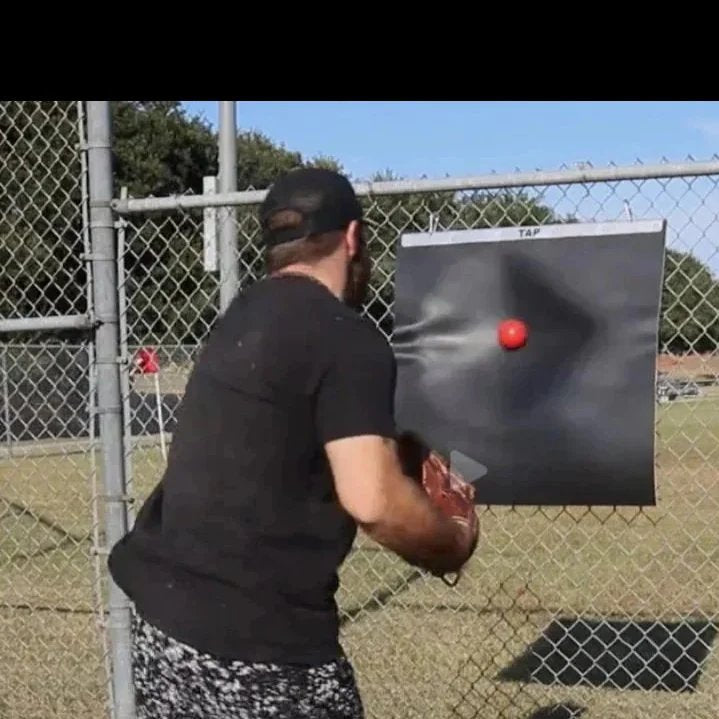
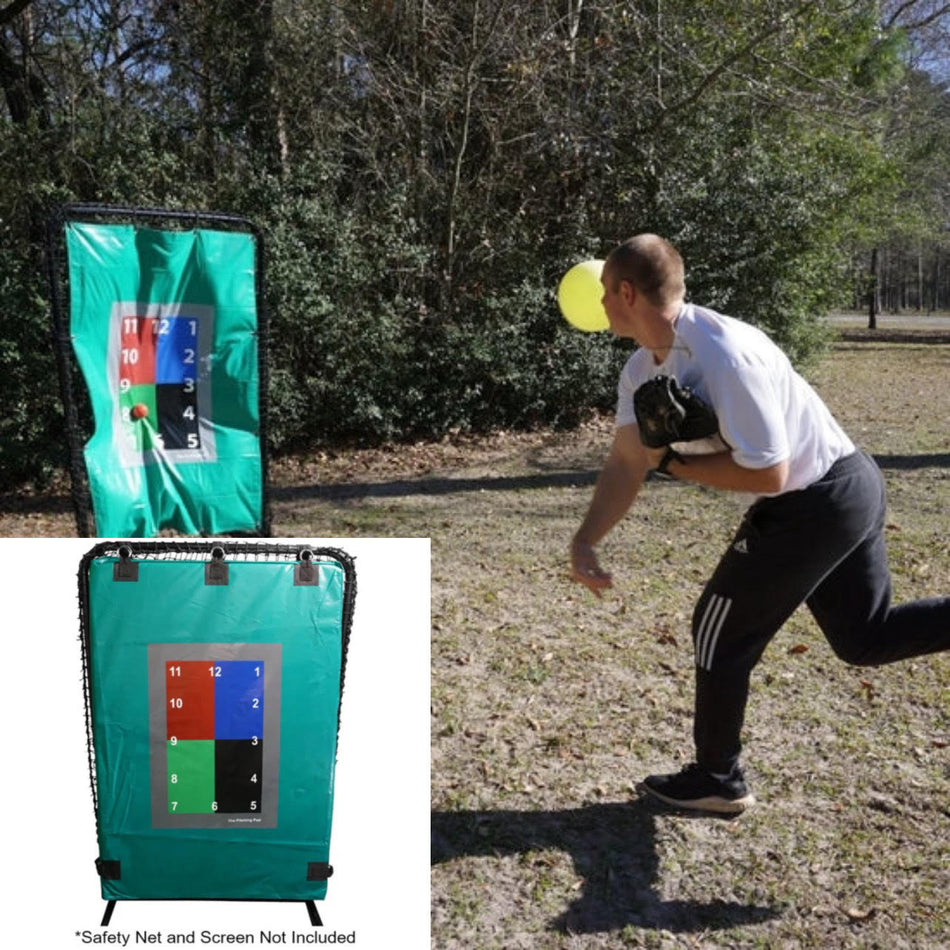
- Simple training aids for accuracy (targets)

- Age-appropriate assessment tools
Use with Supervision:
- Very light resistance bands
- Basic balance tools
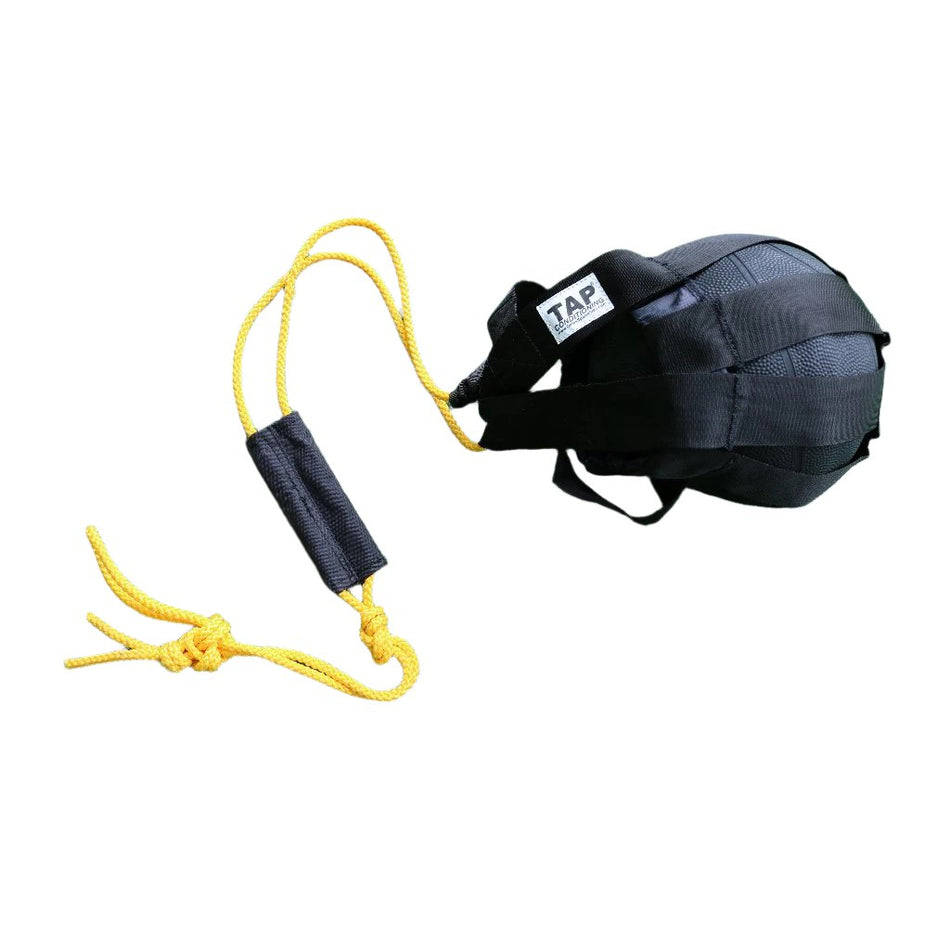
- Movement pattern tools (TAP® Connection Ball and TAP® Connection Throwing Club)
Why This Matters: This is prime time for movement literacy. Your body is learning the foundational patterns that will serve you for life. Rush this phase, and you'll build on a shaky foundation. This is the foundation phase of tissue adaptation - don't rush it.
At this stage, building proper arm care habits is essential. Tools like Oates Specialties Tubing and the TAP® Baseball Training Sock can help develop the shoulder stability and movement patterns that protect you as training intensity increases in later years.

Phase 3: Development Years (Ages 13-15)
What's Happening in Your Body:
- You're growing FAST (growth spurts)
- Your hormones are changing everything
- Your body is getting stronger
- You might feel more anxious about performance
- Your coordination might actually get worse temporarily
What You Should Be Doing:
- Understanding WHY you're training certain ways
- Being patient when growth spurts mess with your coordination
- Carefully increasing training intensity
- Working on mental skills, not just physical ones
- Following conservative ramp up during growth spurts
- Training sessions of 90-120 minutes
- Mostly training (60%), some instruction (25%), some game application (15%)
Equipment for This Stage:
- Complete arm care systems (like Oates Specialties Tubing and TAP® Shoulder Tube)

- Movement quality tools (like Donley Hip Spin, TAP® Connection Ball, and TAP® Connection Throwing Club)
- Basic strength training equipment
- Assessment tools to track your progress
Use Only with Professional Guidance:
- Weighted balls compatible with the goal
- Movement pattern training tools
- Basic rotational training tools
Requires Expert Supervision:
- Any weighted ball program
- Advanced resistance training
- Maximum velocity training
The Growth Spurt Challenge: If You're 13-15, Read This Carefully
If you're in middle school or early high school, you need to understand something critical: growth spurts temporarily mess with your coordination, and that's completely normal. This is THE most critical phase for proper progression and tissue adaptation.
What's Actually Happening to Your Body
Research shows that during peak growth periods (Bisi & Stagni, 2016):
- Your arms and legs grow faster than your torso - Your body proportions are literally changing
- Some muscles grow faster than others - Creating temporary strength imbalances
- Your brain needs time to adjust - It has to relearn where your body parts are in space
- Your growth plates are vulnerable - The areas where your bones grow are at high injury risk
During growth spurts, your bones are growing faster than your muscles and tendons. If you maintain intense training during rapid growth, you're asking soft tissues to adapt to a moving target. This is when injury risk spikes.
The "Adolescent Awkwardness" is Real
During rapid growth spurts, athletes experience temporary disruption of motor coordination, with measurable decreases in movement smoothness and control as your body adapts to rapid height changes (Bisi & Stagni, 2016). This happens most commonly between ages 12-14, especially in boys (Brown et al., 2017).
What you might notice:
- Your velocity drops 2-5 mph temporarily
- Your accuracy gets worse even though your mechanics haven't changed
- You feel less confident about your abilities
- You're trying to "fix" things that aren't actually broken
Here's the truth: This isn't permanent, and you're not doing anything wrong. Your brain just needs time to update its internal map of where your body is.
How to Train During Growth Spurts
This is where proper ramp up and tissue adaptation become CRITICAL:
Volume Adjustments:
- Cut your throwing volume by 25-30% during rapid growth
- Add more rest days between hard throwing sessions
- Listen to your body's energy levels daily
Intensity Modifications:
- Take 2-4 weeks off from maximum effort throwing during rapid growth
- Focus on movement quality, not velocity
- Do extra arm care and mobility work
Skill Development Focus:
- Re-learn movement patterns with your new body size
- Practice timing and coordination at 70-80% intensity
- Build confidence with achievable challenges
Tissue Adaptation Reality: During growth spurts, your tissues are trying to adapt to a body that's changing rapidly. If you maintain high intensity training, you're asking your muscles and tendons to adapt while the skeleton they attach to is literally getting longer. This is a recipe for injury.
Why This Matters: You're in the danger zone for growth spurts. Equipment choices and training intensity must account for tissue adaptation during rapid physical changes. This phase requires patience and smart progression - athletes who rush through this stage pay for it later with injuries.
Phase 4: Specialization Years (Ages 16-18)
What's Happening in Your Body:
- Your body is almost adult-sized
- You can understand complex baseball strategy
- College and career pressure is real
- Injury risk increases if you overtrain and rush ramp-up
What You Should Be Doing:
- Advanced training methods are finally appropriate
- Tracking your performance with metrics
- Making injury prevention your top priority
- Thinking long-term, not just about this season
- Training sessions of 2+ hours
- Mostly training (70%), some game application (20%), some instruction (10%)
Equipment for This Stage:
- Complete training systems
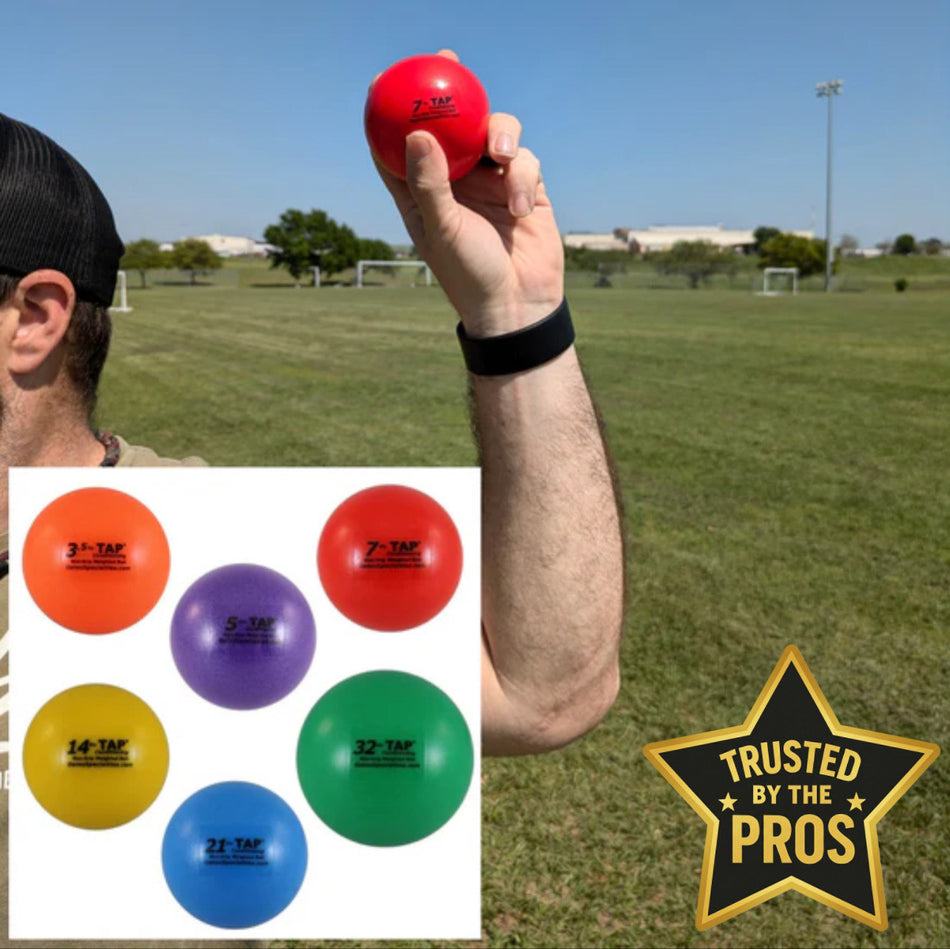
- Advanced arm care equipment (KHAOS® Shoulder Shaker, TAP® Weighted Forearm Sleeve, and TAP® Max-Grip Weighted Balls)
- Performance monitoring tools (like Pocket Radar)
- Full range of training implements (Full KHAOS® Water Product Line)
Still Requires Education:
- Full weighted ball sets
- Advanced rotational training
- Competition preparation programs
Requires Ongoing Assessment:
- High-intensity training tools
- Maximum velocity programs
- Advanced performance equipment
Why This Matters: Your tissues can finally handle more advanced training - BUT they still need proper ramp up. Just because you're 17 doesn't mean you can jump into maximum intensity without preparation. This is where proper ramp up separates successful athletes from injured ones.
Phase 5: Optimization Years (Ages 18-22)
What's Happening in Your Body:
- Your body responds to training like an adult
- This is your peak window for development
- Recovery takes longer than it used to
- Career decisions are becoming real
What You Should Be Doing:
- Full adult training methods
- Serious monitoring and assessment
- Balancing performance with career longevity
- Understanding the trade-offs between pushing hard and staying healthy
- Customized training based on your specific needs
- Professional-grade equipment and systems
Your Focus:
- Career longevity over short-term gains
- Injury prevention systems
- Smart performance optimization
- Professional preparation
Why This Matters: Even at peak performance age, your tissues need strategic loading. The ramp up principles we discussed earlier are MORE important now, not less, because the stakes are higher and recovery is harder. This is where everything comes together.
What Equipment is Right for Your Age?
Choosing age-appropriate equipment ties directly into proper ramp up and tissue adaptation. Using equipment that's too advanced for your age is like skipping steps in a ramp up program - it puts stress on tissues that aren't ready.
Ages 6-9: Movement Foundation
Use: Soft training balls, properly sized gloves/bats, basic movement aids
Avoid: Weighted balls, resistance equipment, radar guns, performance gear
Why: Your tissues are just beginning to adapt to baseball movements
Ages 10-12: Skill Development
Use: Standard equipment, basic arm care tools, simple training aids
Use Carefully: Very light resistance bands, basic balance tools, movement pattern tools
Avoid: High-resistance training tools, advanced performance equipment
Why: You're building movement literacy - this is the foundation phase
Ages 13-15: Careful Progression
Use: Complete arm care systems, movement quality tools, basic strength equipment, assessment tools
Professional Guidance Needed: Weighted balls, movement pattern training, rotational tools
Expert Required: Weighted ball programs, advanced resistance training, max velocity training
Why: Growth spurt danger zone - tissue adaptation during rapid changes is critical
Ages 16-18: Performance Development
Use: Complete training systems, advanced arm care, performance monitoring, full training range
Education Required: Full weighted ball sets, advanced rotational training, competition prep
Ongoing Assessment: High-intensity tools, max velocity programs, advanced equipment
Why: Your tissues can handle more, but proper ramp up is still essential
Ages 18-22: Optimization
Use: Professional-grade training systems, complete equipment arsenal, advanced assessment, specialized tools
Focus: Career longevity, injury prevention, smart optimization, professional preparation
Why: Even at peak development, tissue adaptation principles still apply
Finding the right training tools for your developmental stage doesn't have to be complicated. Browse our age-specific equipment collections to see what's appropriate for your current phase - we've organized everything by training goal and experience level to help you make smart choices.
Common Mistakes Athletes Make
Mistake #1: Copying Older Athletes' Training
What it looks like: Following a college pitcher's program at age 13
The reality: Sport-specialized youth baseball players show significantly higher rates of arm injuries compared to athletes who play multiple sports (Arnold et al., 2019)
What to do instead: Follow programs designed for YOUR developmental stage
Mistake #2: Training Through Growth Spurts Without Adjustment
What it looks like: Maintaining normal training intensity when growing 3+ inches in a few months
The reality: Coordination problems, confidence issues, and injury risk all spike during rapid growth
What to do instead: Cut back volume by 25-30%, focus on movement quality, and trust the adaptation process
Mistake #3: Using Advanced Equipment Before You're Ready
What it looks like: Starting weighted ball programs at 12 because you want to throw harder
The reality: Poor movement patterns get reinforced, injury risk increases, and motor learning gets confused
What to do instead: Build your foundation first with age-appropriate tools, then add advanced equipment when your tissues are ready
Safety Rules You Need to Follow
Rules That Apply at Every Age
- Never sacrifice movement quality for performance - Bad mechanics + high intensity = injury
- Address pain immediately - There's no "toughing it out" in development
- Respect your individual timeline - Your teammate might be ready for something you're not
- Understand the 'why' behind your training - Know how it connects to ramp up and tissue adaptation
- Get regular assessments - Adjust your program as you grow and develop
Age-Specific Priorities
Youth (6-12):
- Focus: Learning safe movement patterns
- Watch for: Fatigue and attention span limits
- Equipment: Proper sizing and adult supervision
Adolescent (13-15):
- Focus: Managing growth spurts carefully
- Watch for: Coordination changes and confidence drops
- Equipment: Progressive introduction with education
High School (16-18):
- Focus: Managing performance pressure
- Watch for: Overuse and over-specialization
- Equipment: Proper use of advanced tools
College (18-22):
- Focus: Balancing performance with career longevity
- Watch for: Training load and recovery needs
- Equipment: Professional-level competency required
Putting It All Together: Your Development Journey
Age-appropriate training isn't about holding you back - it's about developing you optimally at each stage. Athletes who follow developmentally appropriate progressions:
- Stay healthier throughout their careers
- Reach higher peak performance levels
- Maintain performance longer
- Actually enjoy the sport more
The Bottom Line
Remember the concepts we've discussed:
- Proper ramp up - gradually increasing training loads
- Tissue adaptation - giving your body time to get stronger
- Movement literacy - building fundamental movement skills
Age-appropriate training is how you apply all of these concepts correctly. It's the framework that tells you WHEN to progress, HOW MUCH to progress, and WHY certain progressions are right for your developmental stage.
The goal isn't to become an adult athlete as fast as possible. The goal is to develop optimally at every stage of YOUR journey, building a foundation that will carry you as far as you want to go in baseball.
Talk to your parents and coaches about where you are in your development and what training approach is right for you RIGHT NOW. Don't try to skip steps. Trust the process. Your body knows what it needs.
Ready to train smarter for your age? Explore our complete training equipment collections organized by training goal and experience level. Whether you're building foundational arm care habits or ready for advanced velocity development, we have the tools and guidance to support your journey at every stage. Not sure where to start? Contact our team - we're here to help you find the right equipment for your current developmental phase.