घर»ब्लॉग»
How a Right-Handed Kid Became a Left-Handed Hall of Famer
How a Right-Handed Kid Became a Left-Handed Hall of Famer
Billy Wagner's Journey: From Broken Arm to Baseball Hall of Fame
🎧 PREFER TO LISTEN? Experience this blog on the go, during your commute, or while training. Perfect for coaches, athletes, and parents who are always moving.
Billy Wagner's Unlikely Journey From Broken Arm to Cooperstown
January 21, 2025. Billy Wagner answered his phone and heard the words he'd waited a decade to receive: "You're going to the Hall of Fame."
Eight months later, standing in Cooperstown as the first left-handed reliever ever inducted, he distilled his entire journey into one sentence: "Obstacles are not a roadblock. Obstacles are stepping stones."
Here are some obstacles he was able to step over:
From Broken Arm to New Identity
Before Wagner reached professional baseball, his childhood changed the trajectory of his life. He grew up right-handed—throwing, writing, everything with his right arm.
Then came the backyard football games.
First break: A neighborhood kid named Chip fell on Wagner's right arm during a tackle. Cast went on. Months of healing.
Second break: Same kid, same arm, different game. Another cast, more waiting.
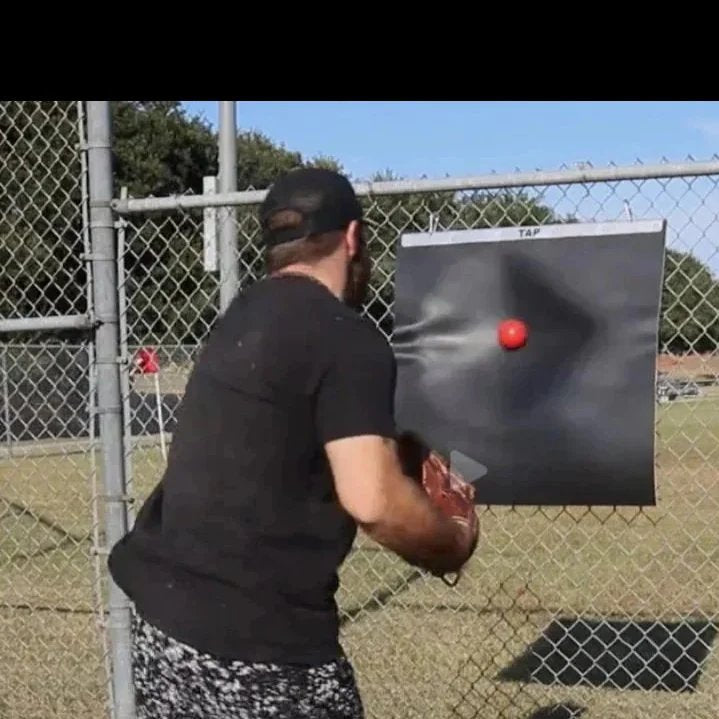
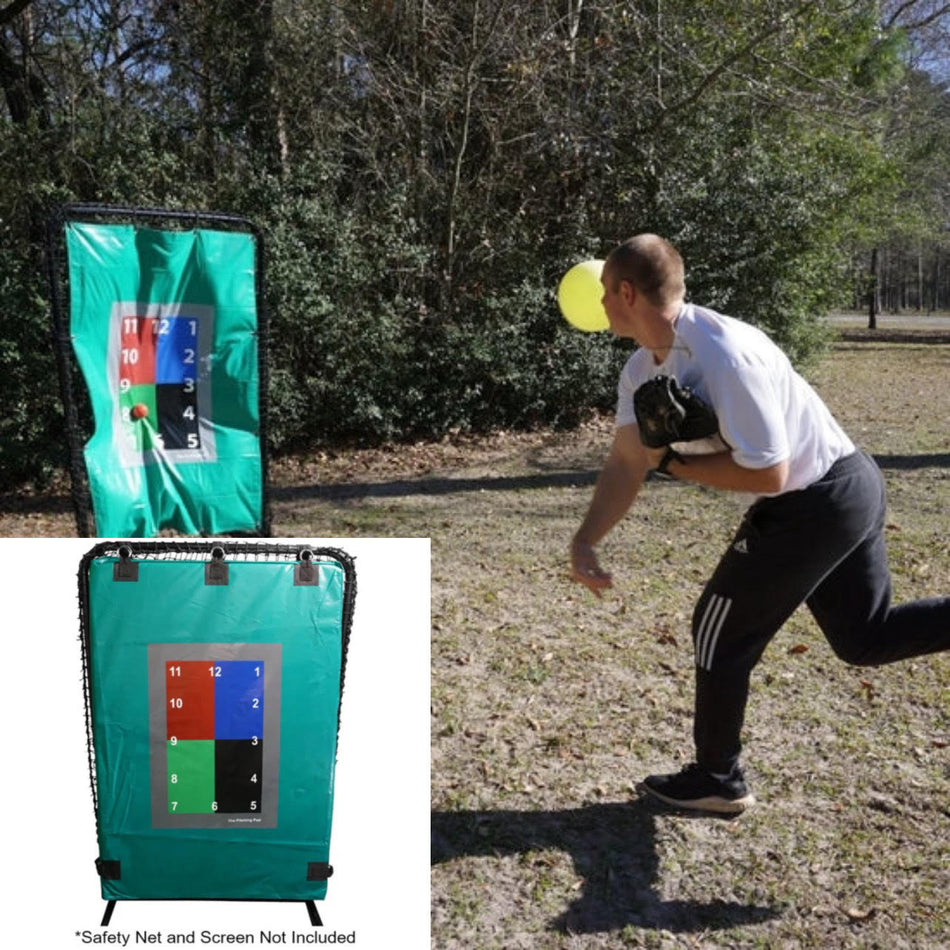
He could have stopped throwing. Instead, he picked up whatever he could grip with his left hand—rocks, baseballs, footballs—and started firing them at any target he could find. Barn doors, house siding, anywhere that told him instantly: hit or miss.
Over months and years, the "wrong" arm became his dominant arm.
Neuroscientists call this neuroplasticity—the brain's ability to reorganize itself by forming new neural connections, especially during childhood. Wagner's brain rewired his throwing system because he gave it thousands of reasons to adapt.
The lesson for young athletes: The brain is trainable. Repetition with purpose, especially under new constraints, can change what feels "natural."
Undersized, Overlooked, Relentless
By high school in Tazewell, Virginia, Wagner threw left-handed in the mid-80s mph. He also stood 5-foot-5 and weighed 135 pounds.
Scouts delivered the same message repeatedly: too small.
His numbers said otherwise—high strikeout totals, low ERA, standout performances. Division I attention remained limited. Wagner chose Division III Ferrum College, where he could simply compete.
At Ferrum, everything clicked. With mentorship from former minor leaguer Darren Hodges, Wagner refined his delivery and unlocked the velocity his left arm had been building for years.
By 1992, he set the NCAA Division III record: 19.1 strikeouts per nine innings. He finished his college career 17-3 with a 1.63 ERA and 327 strikeouts in just 182.1 innings.
His performance forced major league scouts to rethink their size bias.
For athletes who feel overlooked:
Consistent performance changes minds
The right mentors at the right time magnify hard work
Division or level matters less than what you do with the opportunity
Dominating with the "Wrong" Arm
Drafted 12th overall by the Houston Astros in 1993, Wagner became one of the most dominant relief pitchers in MLB history.
Career numbers across 16 seasons:
422 saves (eighth all-time)
1,196 strikeouts (most ever by a left-handed reliever)
2.31 ERA
11.9 strikeouts per nine innings (highest rate ever for pitchers with 900+ innings)
Seven All-Star selections
The most remarkable part? He achieved all of it throwing with the arm that was not his natural choice as a child. He still signs his name right-handed. Uses his right hand for most fine-motor tasks. But his left arm became the weapon delivering 100-mph fastballs past the best hitters in baseball.
Wagner's career illustrates several training truths:
The body can build world-class power in a side that once felt weak
High-level skill grows from thousands of small, unspectacular reps
Confidence comes from surviving pressure and injury, not avoiding them
The Hall of Fame and a Coach's Heart
On January 21, 2025, Wagner received the call. On July 27, 2025, he stood in Cooperstown speaking about faith, family, small-town roots, and the people who believed in him when others didn't.
At the same time, he was deep into a second career as head baseball coach at The Miller School of Albemarle in Virginia.
Since taking over in 2013:
Four state championships (2017, 2018, 2019, 2025)
36-6-2 record in 2023-24 season
Five professional signees, including his son Will (Toronto Blue Jays)
Coaching allows Wagner to pass on the same lessons that shaped his life:
Use obstacles as fuel instead of excuses
Build toughness and skill through focused work, not shortcuts
Invest in relationships—nobody achieves greatness alone
Five Training Principles From Wagner's Journey
Wagner wasn't consciously following a sports science plan as a child, but his story lines up with what motor learning research now recommends. Athletes and coaches can apply these principles immediately:
1. Use Constraints to Drive Adaptation
Wagner's cast forced left-handed use. You don't need an injury to learn from this. Coaches can create safe constraints—changing distances, limiting options, using different equipment—to force new solutions and prevent athletes from getting stuck in one pattern.
2. Build Immediate Feedback Into Practice
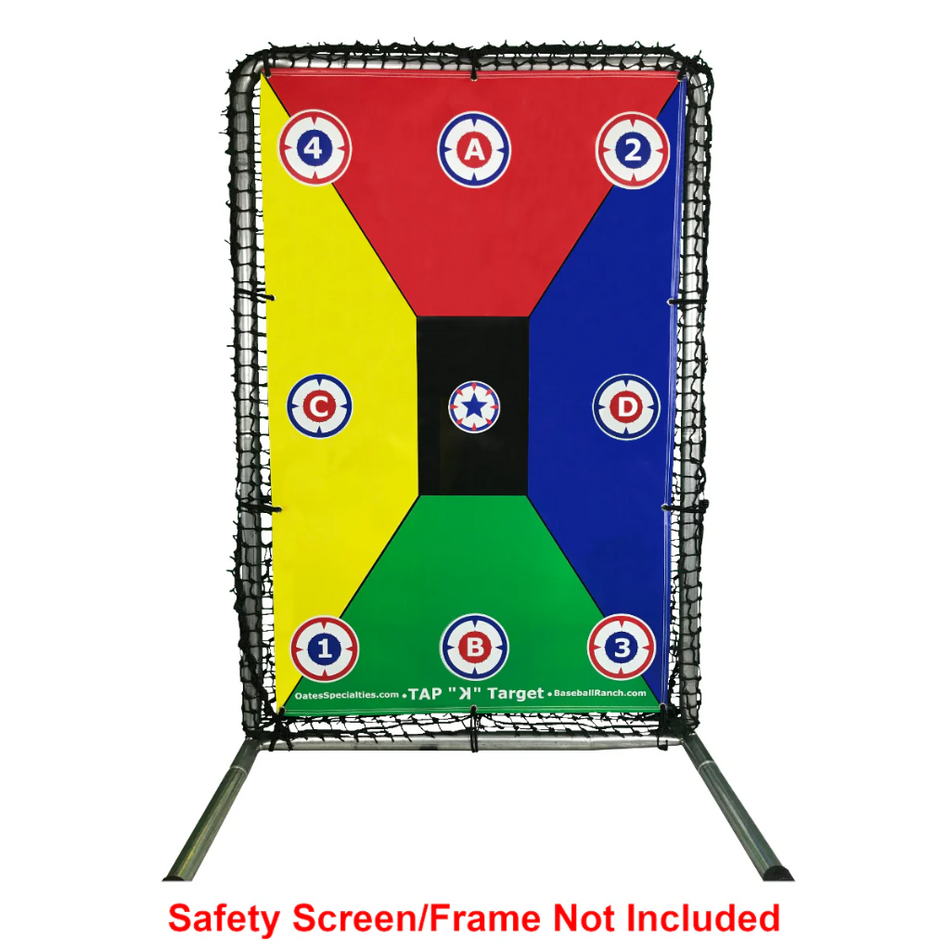
Wagner's target gave him instant results: hit or miss. Today, that might look like:
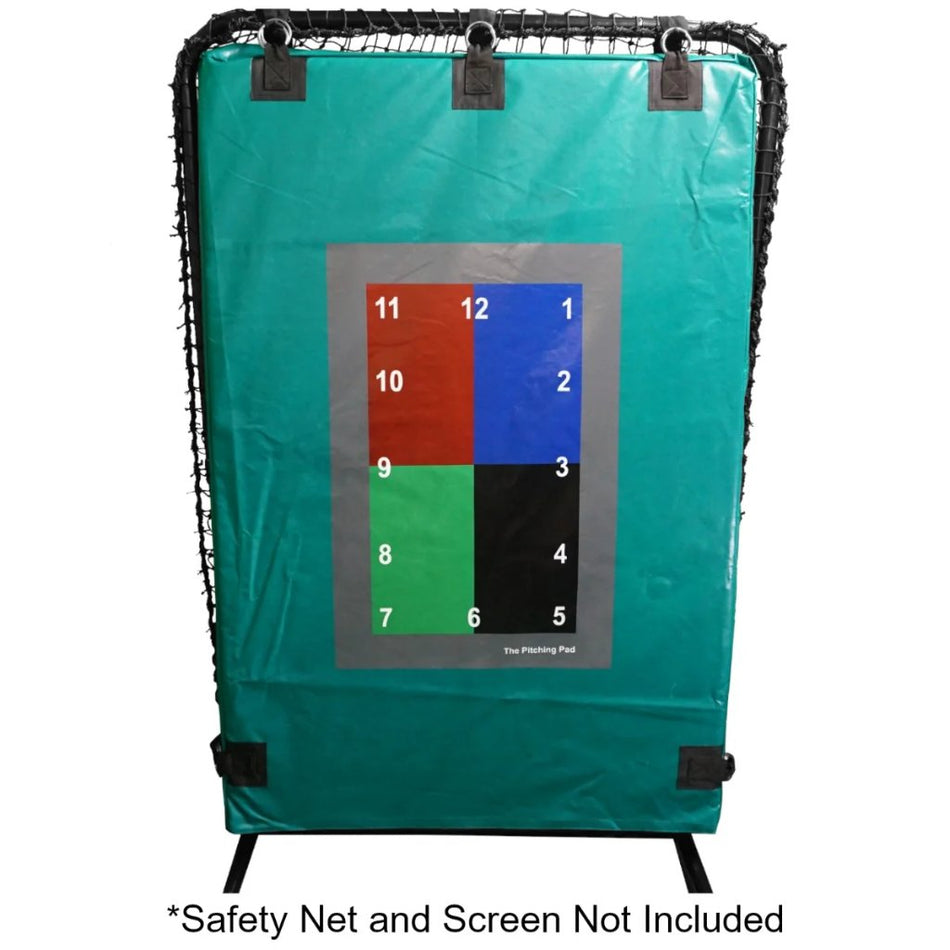
Targets for command work
Velocity or spin feedback
Simple "in or out of the zone" games
The key: athletes get information immediately so they can adjust on the next rep.
3. Embrace Variability, Not Perfection
Wagner threw rocks, baseballs, footballs—each demanding different timing and feel. That variability helped build a robust throwing pattern instead of a fragile, over-rehearsed one.
You can mirror this by:
Mixing ball weights and textures
Varying distances and environments
Adding movement or decision-making to drills
4. Remember: The Brain Can Change at Any Age
Wagner's childhood neuroplasticity helped him switch arms. But he also came back from Tommy John surgery in his late 30s and still dominated hitters.
Research and Wagner's career both show:
Young athletes adapt quickly—leverage that window
Older athletes can still remodel movement with quality reps, patience, and practical variability
Neural plasticity remains active throughout life
5. Take Ownership of Your Development
At every stage—throwing against the barn, grinding at Division III, closing games in the majors, coaching high schoolers—Wagner took responsibility for his work. He didn't wait for perfect circumstances or universal approval.
For any athlete:
You may not control your height, where you grew up, or who notices you
You do control your effort, your willingness to adapt, and the quality of your practice
Why This Story Matters for You
Billy Wagner's journey shows that greatness isn't reserved for perfect bodies or perfect paths. It can come from a kid in a cast throwing rocks at a barn, from a Division III mound, and from years of being told he was too small—if he keeps showing up and keeps learning.
If you're an athlete: Your habits today are literally shaping your brain and body for tomorrow.
If you're a coach or parent: You can create environments that challenge, support, and stretch athletes in the right ways.
The right question isn't "Am I talented enough?"
The better question—the one Billy Wagner answered with his life—is:
"How can I use the constraints in front of me to become better than anyone expects?"
Use that question as fuel for your next practice.
Apply These Principles in Your Training
Wagner's breakthrough came from variability and adaptation—throwing different objects, solving new problems, never letting his arm or body get comfortable with one pattern.
We build training tools around this principle:
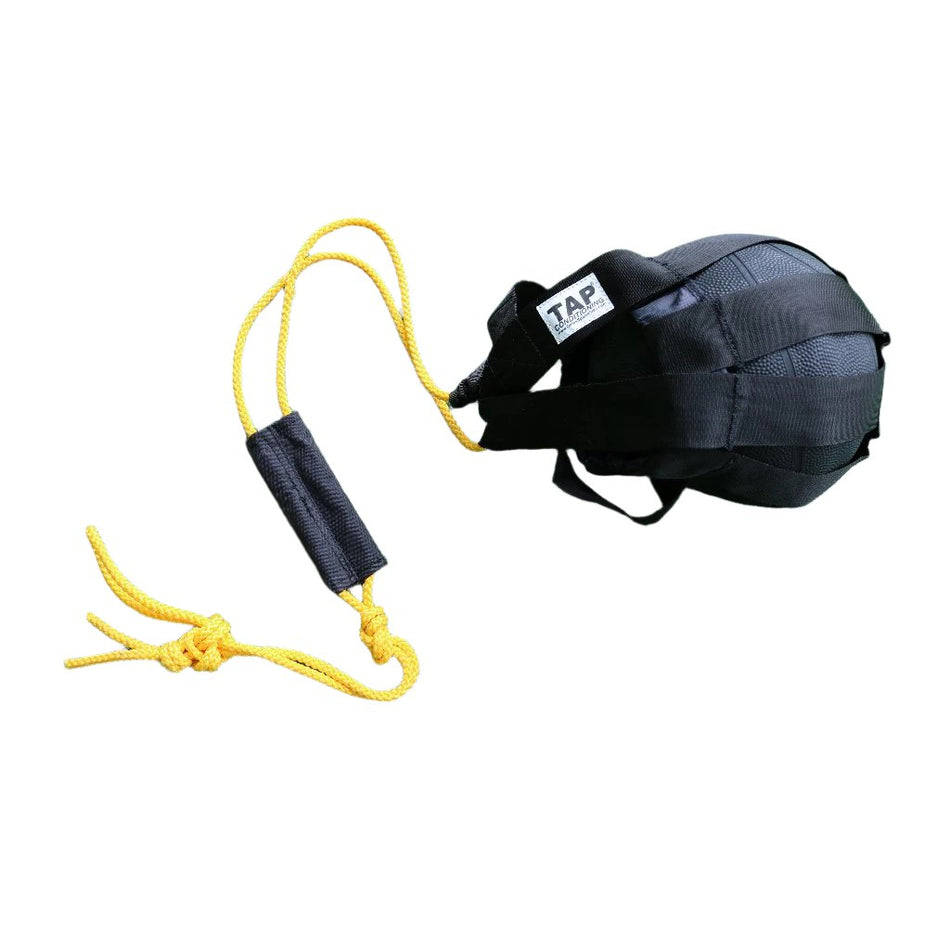
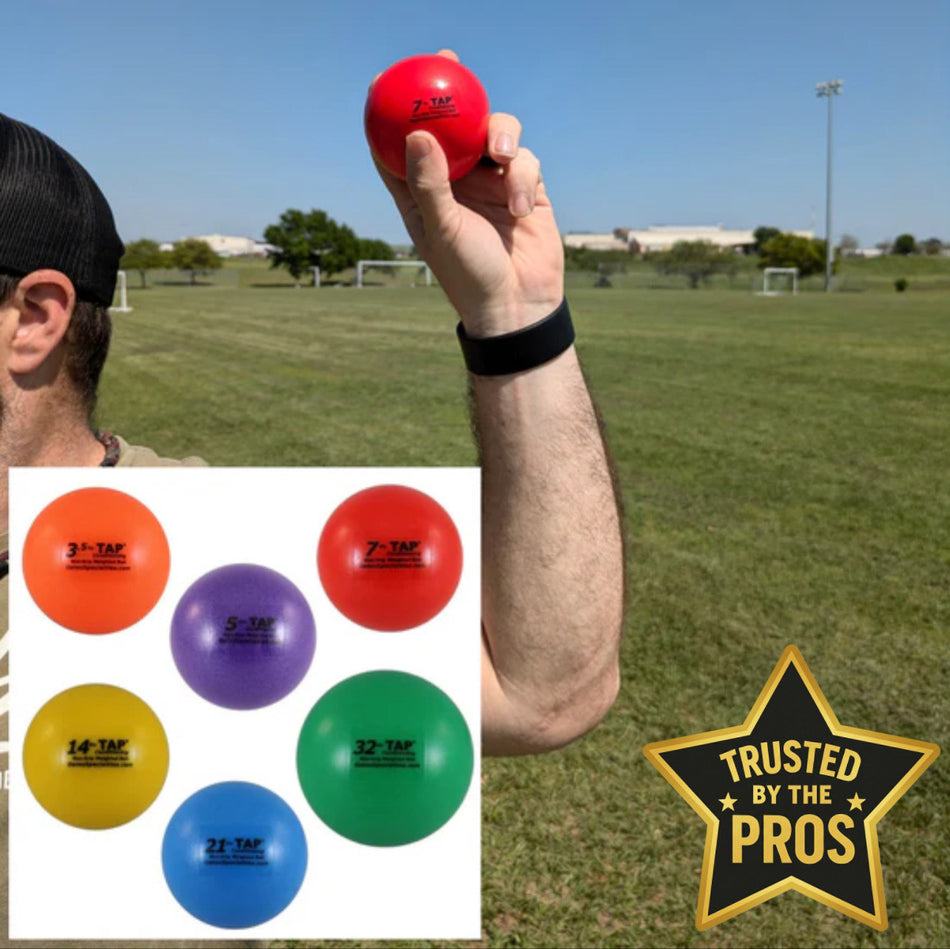
Weighted Balls → Different weights, shapes, sizes, textures—your arm adapts to each
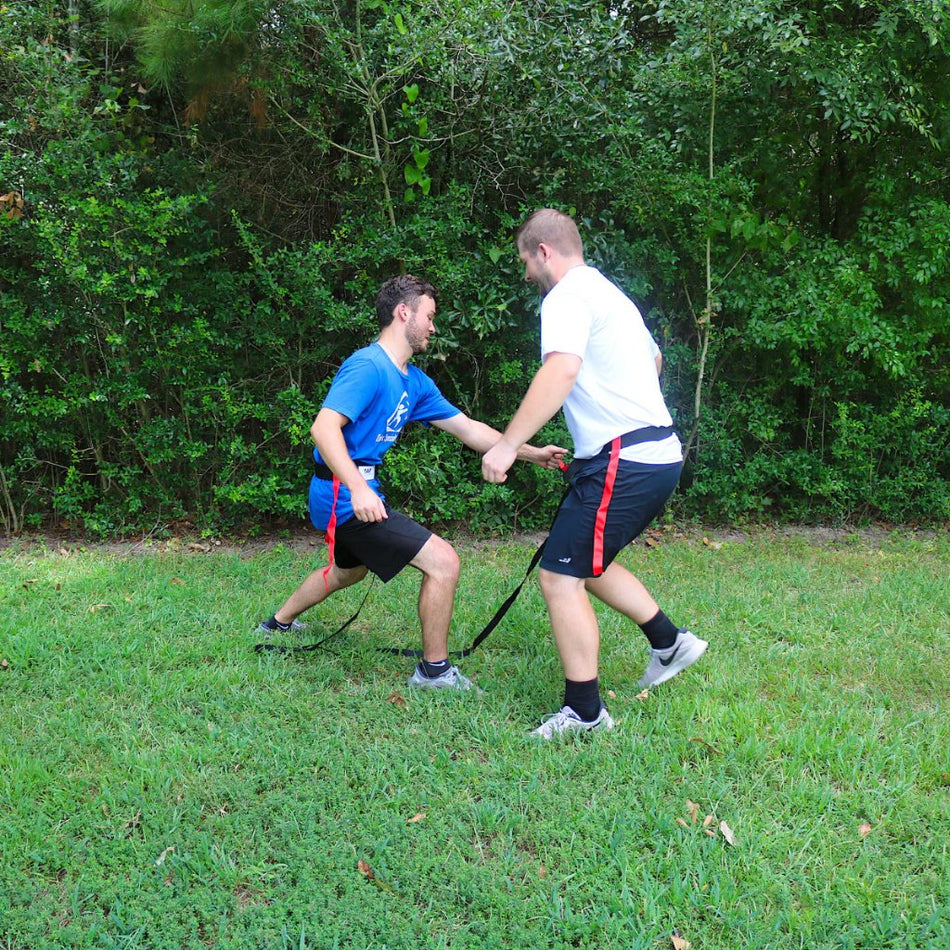
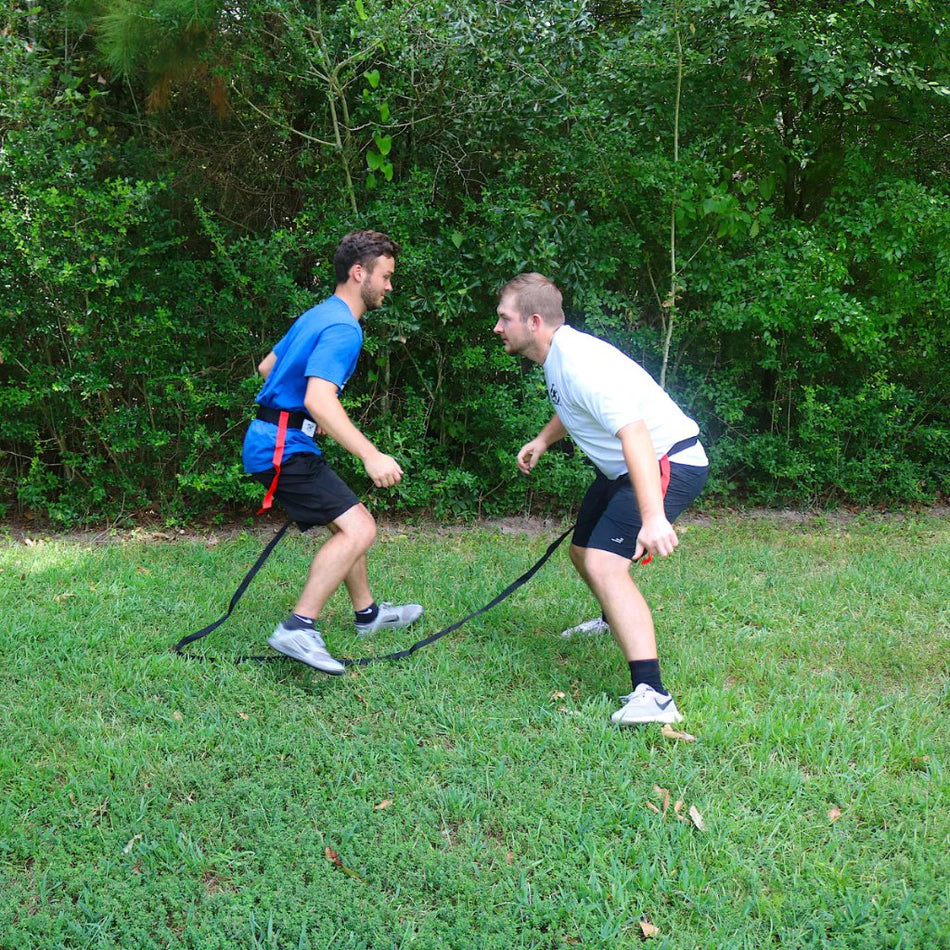
KHAOS® Water Resistance → The water shifts constantly, creating instability and forcing adaptation with every rep
TAP® Shoulder Tube → Progressive resistance for arm and shoulder strengthening
Created by the Oates Specialties team led by Robert Oates, M.Ed., Founder
Editorial oversight by Gunnar Thompson, BS, CSCS, General Manager
Certified Strength & Conditioning Specialist | Biomechanics Specialist
January 2026
METHODOLOGICAL NOTE
This profile synthesizes information from publicly available sources to construct a factual account of Billy Wagner's journey from childhood injury to Hall of Fame induction, connecting observable patterns to validated motor learning and sports science principles.
This analysis was conducted independently without compensation from, affiliation with, or approval by Billy Wagner, his representatives, The Miller School of Albemarle, or any team or organization mentioned. We do not claim insider knowledge of Wagner's proprietary training methods or private coaching philosophies.
Where specific training details are not publicly documented (exact childhood practice volumes, private coaching sessions, proprietary methods used at Ferrum College or in professional baseball), the content explicitly acknowledges these limitations and focuses on documented patterns and scientifically supported principles rather than speculation about private methods.
All factual claims—including statistics, dates, biographical details, and quotes—are cross-referenced with primary sources including Wagner's Hall of Fame induction speech (July 27, 2025), MLB official records, NCAA Division III records, published interviews, and news profiles from MLB.com, ESPN, Roanoke Times, Houston Chronicle, and SABR biographical database. Any errors in interpretation or reporting will be corrected upon verification.
COMPLETE CREDENTIALS
ROBERT OATES, M.Ed., Founder: Founded Oates Specialties in 2003. Master of Education degree. Provides strategic direction for educational content and athlete development philosophy.
GUNNAR THOMPSON, General Manager: BS Kinesiology (Clinical Exercise Science). CSCS (NSCA), PES (NASM), CPPS certifications. Technical authority on biomechanics and performance science. Conducts review of all educational content for scientific accuracy.
🎧 PREFER TO LISTEN? Experience this blog on the go, during your commute, or while training. Perfect for coaches, athletes, and parents who are always moving.
Billy Wagner: The Science Behind a Hall of Fame Second Chance
How a Right-Handed Kid Became Baseball's Most Unlikely Left-Handed Closer
A lanky kid in rural Virginia stood in his backyard, throwing rocks at a barn door. Left-handed.
That detail wouldn't matter much—except he'd been born right-handed.
Two broken arms and one stubborn refusal to quit had rewired everything. Years later, that same left arm would deliver 100-mph fastballs past the best hitters in baseball. It would record 422 saves, strike out 1,196 batters, and carry Billy Wagner into Cooperstown as the first left-handed reliever ever inducted into the Hall of Fame.
On January 21, 2025, Wagner received the call he'd waited a decade to hear. Eight months later, standing at the podium in Cooperstown, he distilled his entire journey into one sentence: "Obstacles are not a roadblock. Obstacles are stepping stones."
This is the story of how a childhood injury accidentally created a training environment that motor learning science is only now beginning to understand.
How two broken arms in childhood forced Wagner to learn throwing left-handed, creating an accidental training environment that neuroscience now validates for motor learning development.
Wagner's journey from undersized high school pitcher through Division III baseball, where a pivotal bullpen session with mentor Darren Hodges unlocked his Hall of Fame potential.
Career statistics, Hall of Fame induction, and Wagner's second career as a championship high school coach passing along the principles that shaped his own development.
Six research-backed training principles extracted from Wagner's journey that athletes and coaches can implement immediately to accelerate skill development and build resilience.
I. THE ORIGIN
The Barn and the Broken Arm
Before Billy Wagner became a Hall of Famer, before he threw 100-mph heat, before anyone knew his name—there was a barn near Tannersville, Virginia.
The structure still stands, weathered wood bearing the scars of thousands of impacts. Rocks, baseballs, anything a kid could grip and throw. All launched from his left hand.
Wagner was born right-handed. His first seven years of life, he did everything the way most right-handed people do—wrote, ate, threw. Then came the backyard football games.
First break: A neighborhood kid named Chip fell on Wagner's right arm during a tackle. Cast on. Months of healing. Cast off.
Second break: Same kid, same arm, different game. Another cast, more months of waiting.
Most kids would have stopped throwing. Wagner picked up a ball with his left hand instead.
Multiple sources document Wagner throwing at barn doors, house siding, any target that gave immediate feedback. Hit or miss. Success or failure. Thousands of repetitions during the years when a child's brain shows maximum plasticity—the ability to rewire neural pathways and create new movement patterns.
"Obstacles are not a roadblock. Obstacles are stepping stones. They build you and shape you, refine you."
— Billy Wagner, Hall of Fame Induction Speech, July 27, 2025
What happened in that Virginia backyard wasn't planned. Nobody consulted motor learning specialists or designed a neuroplasticity program. A frustrated kid just refused to quit when circumstances changed.
The science came later. The rewiring happened anyway.
What the Science Reveals
Strip away the Hollywood version and look at what actually occurred:
The documented facts:
Wagner broke his dominant throwing arm twice around ages 6-7
Physical constraint prevented right-hand use for extended periods
He taught himself to throw left-handed during recovery
He threw varied objects—rocks, baseballs, footballs—at targets providing immediate feedback
This occurred during the developmental window when neural plasticity peaks
His brain successfully rewired from right-hand to left-hand throwing dominance
What motor learning research shows:
Young brains demonstrate extraordinary neuroplasticity—the capacity to form new neural connections and reorganize movement patterns. Physical constraints force creative problem-solving and adaptation. Varied practice conditions build robust, transferable skills rather than fragile, context-dependent patterns. Immediate feedback accelerates the learning process by providing instant information for adjustment.
Wagner's childhood created what researchers now call a constraints-led environment:
Constraint: Broken arm forcing non-dominant hand use
Immediate feedback: Target hit or missed—instant information
Variability: Different objects requiring different adjustments
Persistence: Months of high-volume practice
Optimal timing: Critical developmental window for motor learning
None of this was intentional. Wagner wasn't following a research protocol. He was a kid who wanted to keep playing. But the principles emerged through necessity—the same principles that sports science now validates for athlete development at every level.
The broken arm didn't end the story. It redirected it toward a Hall of Fame career nobody predicted.
II. THE CLIMB
Small Town, Long Odds, Relentless Work
By the time Wagner reached Tazewell High School—having moved to nearby Tannersville to live with his aunt and uncle around age 14—he threw left-handed in the mid-80s mph.
He also stood five-foot-five and weighed 135 pounds.
Physics is physics. College scouts evaluate measurables. And the measurables said: too small.
His senior year statistics told a different story: .451 batting average, 23 stolen bases, 116 strikeouts in 46 innings pitched, 7-1 record, 1.52 ERA. Performance that should have drawn serious Division I attention.
One school offered: Virginia Tech.
Wagner chose Ferrum College instead—a tiny Division III school about two hours from home where he could play both football and baseball. He played one season of football. Baseball became everything else.
The Bullpen Session That Changed Everything
January 1991. Cold enough to see your breath in the Ferrum College bullpen.
Darren Hodges, a former minor league pitcher, was on campus that morning for off-season work. Ferrum's head coach, Abe Naff, mentioned a freshman lefty—small kid, big arm, wanted to play center field because he didn't think he'd make it as a pitcher.
Hodges watched Wagner throw.
What happened next altered everything. Hodges told Naff something to the effect of, "If he plays an inning in the outfield for you, you should get fired."
Hodges worked with Wagner on delivery, rhythm, pace, release point. Wagner's fastball, which sat around 83 mph in high school, suddenly touched the mid-90s by his sophomore year.
In 1992, Wagner struck out 109 batters in 51.1 innings—19.1 strikeouts per nine innings, still an NCAA Division III record.
Over three seasons at Ferrum: 17-3 record, 1.63 ERA, 327 strikeouts in 182.1 innings.
The Houston Astros drafted him 12th overall in 1993.
The pattern that defined Wagner's journey appeared again: constraint met by adaptation, feedback driving refinement, mentorship arriving at the exact moment readiness peaked.
Hodges didn't create Wagner's talent. He refined what was there at exactly the moment Wagner could absorb it. The right voice at the right time changes trajectories.
The principles that reshaped Wagner's arm—constraint, variability, immediate feedback—weren't accidental. They're now validated by motor learning research.
At Oates Specialties, we've spent 20+ years translating these principles into training tools athletes can use today.
Wagner reached the major leagues in September 1995—one batter, one out, back to Triple-A.
The real arrival came in 1997. His first full season as Houston's closer: 23 saves, 106 strikeouts in 66.1 innings. That's 14.4 strikeouts per nine innings, breaking Rob Dibble's 1992 record. Wagner struck out the side—three up, three down, all swinging—13 times that season.
July 15, 1998: A line drive from Kelly Stinnett hit Wagner behind the left ear during a game in Arizona. Concussion. Stretcher off the field. Three weeks out. He came back throwing just as hard.
1999: 39 saves, 1.57 ERA, 124 strikeouts in 74.2 innings. Fifteen strikeouts per nine. National League Rolaids Relief Man of the Year. Finished fourth in Cy Young voting. More saves than hits allowed—39 saves, 35 hits.
The career totals across 16 seasons with Houston, Philadelphia, New York (Mets), Boston, and Atlanta:
422 saves (eighth all-time)
1,196 strikeouts (most ever by a left-handed reliever)
2.31 ERA
11.9 K/9 (highest rate in history among pitchers with 900+ innings)
Opponents hit .187 (lowest in history with 800+ innings)
Seven All-Star selections
Tommy John surgery in 2008 at age 37. Back on the mound 11 months later.
Retired after the 2010 season with the Atlanta Braves—his childhood favorite team—posting a 1.43 ERA at age 39.
Every statistic verified through official MLB records.
"There were only seven full-time relievers in the Hall of Fame. Now there are eight because I refused to give up or give in."
— Billy Wagner, Hall of Fame Induction Speech
Wagner's dominance came from the arm that was never supposed to throw professionally. He still signs his name right-handed. Uses his right hand for fine motor tasks. But his left arm—the one forced into service by childhood injury—became the weapon that separated him from every other left-handed reliever in baseball history.
III. THE SUMMIT
What the Hall of Fame Revealed
Wagner's induction ceremony on July 27, 2025, offered insights into how he views his own journey. We watched the speech multiple times—not hunting quotes, but understanding what principles he credits for success.
Four themes emerged:
1. Obstacles as catalysts, not barriers
Wagner's "obstacles are stepping stones" message appears throughout his documented journey. Broken arm to broken arm. "Too small" to Hall of Fame. Fired from teams to vindication. The reframing from limitation to opportunity defines his perspective.
2. Refusal to accept limitations
"There were only seven full-time relievers in the Hall of Fame. Now there are eight because I refused to give up or give in." Persistence, not just talent, emerges as defining.
3. Gratitude for mentors and teammates
Wagner thanked coaches and teammates by name. He acknowledged Lance Berkman, Jeff Bagwell, Craig Biggio. The pattern of influential relationships appears consistently.
4. Faith and humility
"I wouldn't be here today if it weren't for my Lord and Savior," Wagner opened his speech. The role of faith in his resilience was clear throughout.
Wagner doesn't attribute his success to the barn door, the broken arm, or any specific training method. He emphasizes character qualities—perseverance, relationships, faith, refusing to accept what scouts said was impossible.
That's critical context. Motor learning principles create opportunity. Talent, work ethic, character, and relationships determine outcomes.
Passing It Forward: The Coaching Years
Wagner became head baseball coach at The Miller School of Albemarle near Charlottesville in 2013.
Results documented in Virginia Independent Schools Athletic Association records:
State championships: 2017, 2018, 2019, 2025 (four total)
State semifinals or better: Every year since 2014
2023-24 season: 36-6-2 record
Five Miller School graduates have signed professional contracts: Tanner Morris, Adam Hackenberg, Will Wagner (Toronto Blue Jays), Ethan Murray, and Connor Gillispie.
His son Will made his MLB debut in August 2024, becoming the fourth player in Blue Jays history to record at least three hits in his debut.
Tom Pallante—Miller's Dean of Students and former assistant baseball coach—says Wagner's approach emphasizes fundamentals, relationships, and character development alongside baseball skill.
"I literally came from nothing, and through the grace of God and the people who believed in me, I made it to the Hall of Fame."
— Billy Wagner, Hall of Fame Induction Speech
IV. WHAT YOU CAN APPLY
Six Training Principles From Wagner's Journey
Strip away the Hollywood version and examine the publicly documented patterns:
1. Constraints Force Innovation
Wagner's injury eliminated options, forcing creative solutions. Modern constraint-led training recreates this intentionally—limiting movement options to build adaptable skill rather than robotic repetition.
Application: Use safe constraints (restricted range, varied implements, competitive pressure, environmental changes) to push creative problem-solving without causing injury.
2. Feedback Must Be Immediate
The target didn't teach mechanics. It answered one question instantly: success or failure. That loop—attempt, result, adjust—drives improvement.
Application: Build immediate feedback into every environment. Not coach analysis three days later. Not video review next week. Instant, clear information: Did this work? Adjust and try again.
3. Variability Builds Robustness
Wagner threw rocks, baseballs, footballs—each demanding different adjustments. Current differential training research validates this: variety creates adaptable skill, not just repeatable motion.
Application: Different balls, different distances, different conditions, different challenges. Intent stays consistent—throw accurately, throw hard. Context changes constantly.
4. Mentors Matter, Timing Matters More
Darren Hodges didn't create Wagner's talent. He refined what was there at exactly the moment Wagner could absorb it. The right voice at the right time changes trajectories.
Application: Be the person who sees potential when others see limitations. And if you're the athlete—keep looking until you find someone who sees what others miss.
5. Neuroplasticity Doesn't Have an Age Limit
Wagner's childhood brain showed maximum plasticity, but he had Tommy John surgery at 37 and came back throwing 98 mph. Research confirms: focused, varied, feedback-rich training rewires movement patterns at any age.
Application: Young athletes adapt quickly—leverage that window. Adult athletes can still remodel movement with quality reps and patience. Plasticity remains active. Growth remains available.
6. Size Becomes Negotiable When Skill Is Extraordinary
At 5-foot-10, Wagner threw harder than pitchers six inches taller. Physics didn't care about the difference. Neither did Wagner.
Application: You may not control height, arm length, or where you grew up. You do control effort, willingness to adapt, and practice quality.
Building These Into Your Program
For Athletes Working Through Injury or Limitation:
Wagner's path suggests the constraint might be catalyst, not conclusion. The broken arm didn't end the story. It redirected it toward a Hall of Fame nobody predicted.
Sometimes redirection finds better roads than the original map showed.
For Coaches Developing Young Athletes:
Create environments that:
Present solvable challenges requiring adaptation
Provide instant feedback on performance
Vary conditions to build robust, transferable skill
Identify optimal learning moments for technical refinement
Emphasize relationships alongside skill development
For Parents Supporting Athletic Development:
Don't judge coaches or programs by win-loss records alone
Find mentors who've overcome adversity themselves
Model resilience through your own response to setbacks
Support the process, not just the outcome
Remember: the "too small" kid from Tazewell made it to Cooperstown
From Principles to Practice
Wagner threw rocks, baseballs, footballs—whatever he could grip. His arm adapted to different weights, shapes, and flight patterns. That variability built robustness.
These principles inform everything we design at Oates Specialties:
Weighted ball systems with varying weights, sizes, shapes, and textures—your arm adapts to each
We study how elite athletes actually develop skill—not how textbooks say it should happen, but how it happens in driveways, small-town fields, and Division III bullpens.
When someone reaches the pinnacle of their sport, we ask: What principles were at work? What can we learn? How might those lessons help athletes at every level?
We've been manufacturing baseball training equipment for over 20 years, but we've never been just equipment makers. We're students of excellence trying to make champion-level development principles accessible to athletes at every level.
Created by the Oates Specialties team led by Robert Oates, M.Ed., Founder
Editorial oversight by Gunnar Thompson, BS, CSCS, General Manager
Certified Strength & Conditioning Specialist | Biomechanics Specialist
January 2026
METHODOLOGICAL NOTE
This profile synthesizes information from publicly available sources to construct a factual account of Billy Wagner's journey from childhood injury to Hall of Fame induction, connecting observable patterns to validated motor learning and sports science principles.
This analysis was conducted independently without compensation from, affiliation with, or approval by Billy Wagner, his representatives, The Miller School of Albemarle, or any team or organization mentioned. We do not claim insider knowledge of Wagner's proprietary training methods or private coaching philosophies.
Where specific training details are not publicly documented (exact childhood practice volumes, private coaching sessions, proprietary methods used at Ferrum College or in professional baseball), the content explicitly acknowledges these limitations and focuses on documented patterns and scientifically supported principles rather than speculation about private methods.
All factual claims—including statistics, dates, biographical details, and quotes—are cross-referenced with primary sources including Wagner's Hall of Fame induction speech (July 27, 2025), MLB official records, NCAA Division III records, published interviews, and news profiles from MLB.com, ESPN, Roanoke Times, Houston Chronicle, and SABR biographical database. Any errors in interpretation or reporting will be corrected upon verification.
COMPLETE CREDENTIALS
ROBERT OATES, M.Ed., Founder: Founded Oates Specialties in 2003. Master of Education degree. Provides strategic direction for educational content and athlete development philosophy.
GUNNAR THOMPSON, General Manager: BS Kinesiology (Clinical Exercise Science). CSCS (NSCA), PES (NASM), CPPS certifications. Technical authority on biomechanics and performance science. Conducts review of all educational content for scientific accuracy.